Urgent push to rebuild crews on Cornwall’s north coast
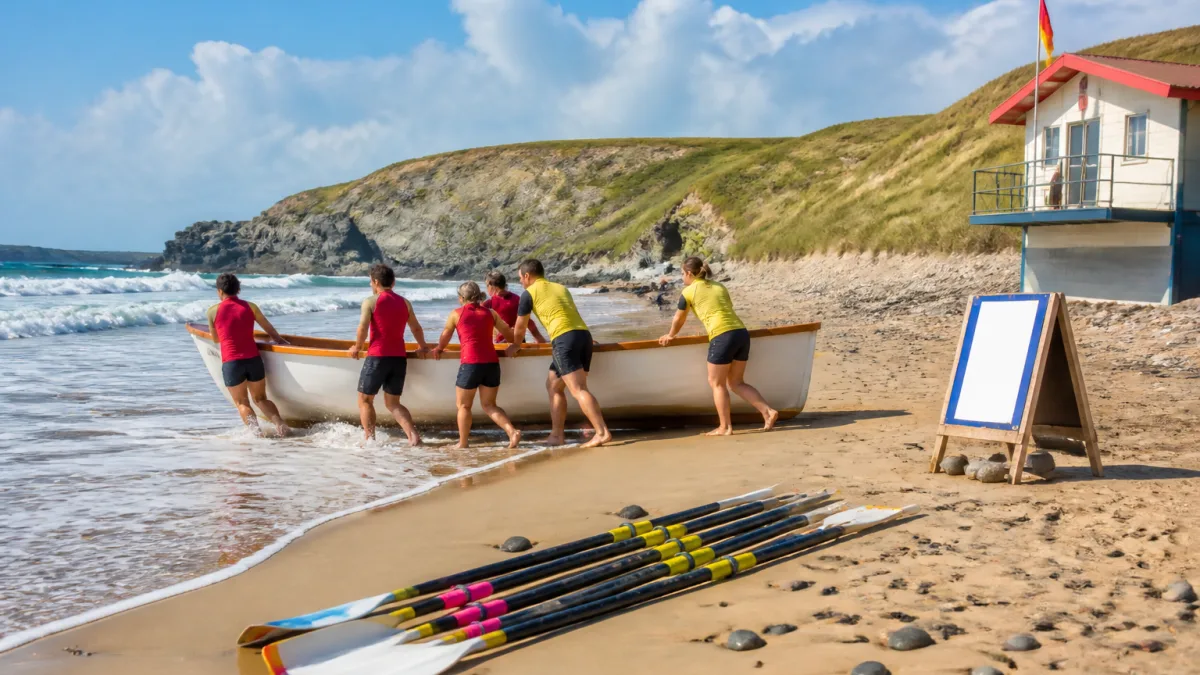
Community figures in Cornwall are urging newcomers to try surfboat rowing amid warnings the sport could wither locally without fresh recruits. The discipline, which grew from lifesaving practice and remains closely linked to beach safety culture, has seen participation fall from earlier peaks, prompting Perranporth Surf Lifesaving Club to open taster sessions for would-be rowers.
Kim Marie Jackson, who chairs the UK Surf Rowers League, said numbers had fallen to a critical point after earlier growth. She cautioned that without rebuilding teams, the activity could be lost from Cornish beaches.
"It's kind of got to a critical point where if we don't build the numbers now and recruit more people it's going to die as a sport. That would be an awful shame because it's the most exciting adrenaline sport ever."
From rescue craft to competitive crews
Surfboat rowing began as a practical way to reach people in difficulty before the widespread use of jet skis and RIBs by lifesavers. Crews of four propel a long, oar-powered boat through breaking waves, then turn to catch surf back to shore. The combination of endurance, teamwork and wave judgment is central to its appeal and challenge.
While the sport remains highly popular in Australia, participation in Cornwall has become patchier over time. Jackson recalled that when she took up rowing in 2006, local competition days could field numerous men’s and women’s teams. Since then, she said, entries have tailed off.
| Period | Men’s crews | Women’s crews |
|---|---|---|
| Circa 2006 (as recalled) | About 15 | About 12 |
| Recent years | Diminished (no figure given) | Diminished (no figure given) |
Perranporth opens the doors to newcomers
Perranporth’s surfboat team is seeking people ready for an adrenaline-charged, saltwater workout. The club says beginners can try the discipline under guidance and progress at a steady pace. New rower Sian Kirby, who joined earlier this year, described the mix of intensity and exhilaration that keeps crews coming back.
"This is my first season in the waves but I've already managed to compete in my first competition... When you're catching a wave back in all the hard work to get out there is worth it."
Organisers emphasise that surf size is not a barrier to entry. Training and competition can adapt to conditions, building core skills—timing the entry through whitewater, holding form under pressure and coordinating the turn to ride in—before the bigger days arrive.
Why it matters for Cornwall’s coast
Cornwall’s beaches and surf breaks are widely accessible, and advocates argue that surfboats remain an underused pathway into sea sport and coastal fitness. Ken Croft, who leads the National League of Surf Rowers, wants more residents to give it a go and says local beaches offer ideal settings for clubs to grow.
"In Cornwall we are so gifted with the beaches we have got and the accessibility that we've got and the surf locations that we've got... This sport is underused. We can get so many more people and clubs out enjoying it. It doesn't have to be big surf every time"
Supporters of the discipline point out that surfboat rowing complements the county’s wider lifesaving tradition. Many life-saving skills—reading rips, managing surf impacts and planning safe entries and exits—are reinforced in the boat. The push to recruit is therefore not only about sustaining a competitive sport but also about keeping sea-going skills active among volunteers and beach communities.
How to get involved
- Taster sessions: Offered via Perranporth Surf Lifesaving Club for beginners and returners.
- Team roles: Crews comprise four rowers and a sweep/cox; all fitness levels can start at a suitable pace.
- Next steps: Prospective rowers can contact the club to learn about training schedules and entry pathways.
Organisers hope that a wave of new recruits will see more crews lining up at future league meets. With the summer season under way, advocates say this is an opportune time for residents—whether seasoned water users or those simply keen to try something new—to test the sport and help sustain a uniquely coastal strand of Cornwall’s sporting life.