The Camden Select Board voted 3 to 2 on 21 July to suspend the town's contested downtown paid parking programme. The measure does not affect paid parking at the Public Landing, but it effectively disables the 60 on-street kiosks the town owns.
What the suspension covers and what it leaves in place
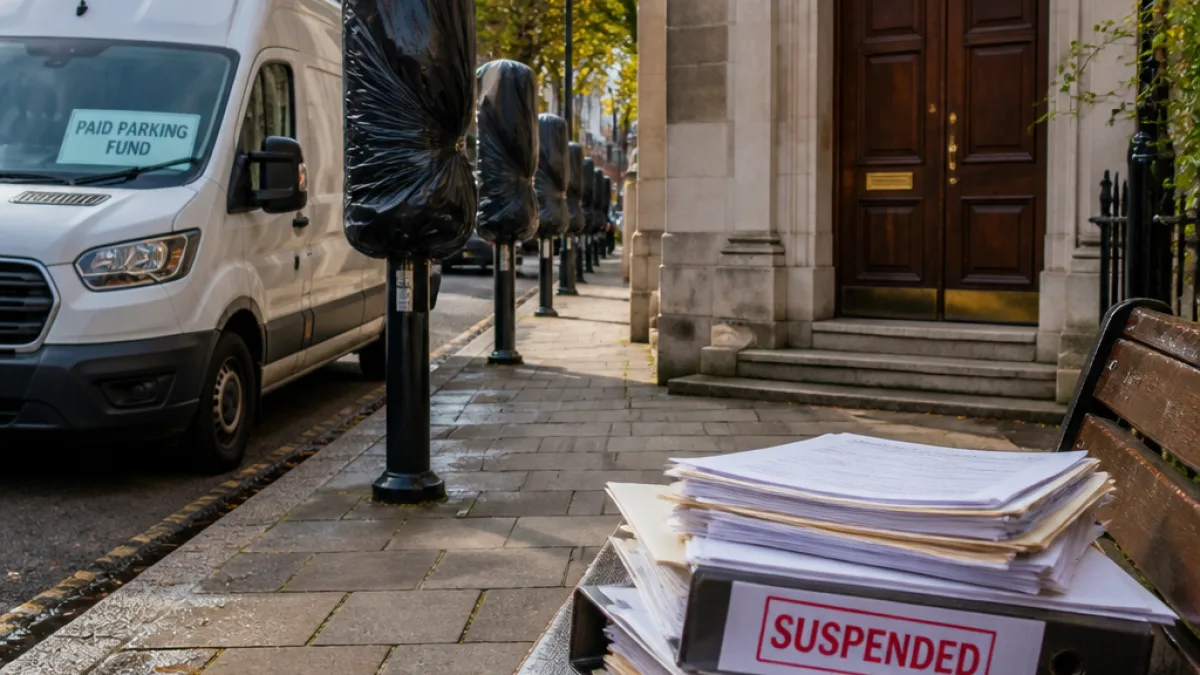
Board members Bobbi Oxton Blake, Susan Dorr and Chris Nolan supported the suspension; Chrisso Rheault and Ken Gross opposed it. By the morning of 22 July, the kiosks were being covered with black bags.
Budget implications and outstanding questions
The decision poses an immediate financial question because the municipal budget approved by voters on 9 June includes $150,000 in expected revenue from the paid parking scheme for the 2026–2027 year. Officials have not yet produced a legal opinion on whether the Select Board can reverse a revenue assumption that formed part of a budget ratified by voters, or where the town will find funds to fill the shortfall if required.
"The Paid Parking Fund was set up as a special revenue fund, with all expenses paid out of that fund with anticipation that all revenue would replenish the deficit and create a balanced fund,"
The programme has been under trial since autumn 2025 and drew opposition that produced two petitions and lengthy Select Board debate. The board originally approved installation in 2025 and authorised purchases and contracts for the system.
What has already been spent
Expenditures tied to the paid parking scheme have been paid from a separate Paid Parking Fund rather than the town's general fund. The principal investments reported are:
- $320,474 on equipment and software
- Of that, $254,480 was for kiosks, card readers and installation of software
- $65,894 on enforcement software, mailings, signage and ticket materials
| Expenditure | Amount |
|---|---|
| Equipment & software (total) | $320,474 |
| Kiosks, card readers & software instalment | $254,480 |
| Other expenses (enforcement software, signs, mailings) | $65,894 |
Local impact and next steps
The suspension raises practical issues for drivers, enforcement and the town's finances. Because the Paid Parking Fund currently holds the transactions related to the programme, officials will need to determine how those balances are handled going forward and whether anticipated revenue must be repurposed or replaced.
Residents seeking clarity should expect the Select Board to address the legal and financial ramifications at upcoming meetings. As of 22 July no formal legal opinion had been released and town officials had not announced how they intend to reconcile the budget assumption with the board's suspension vote.
This story will be updated as the town provides further information, including any legal advice on the budget question and the future status of the paid parking equipment.