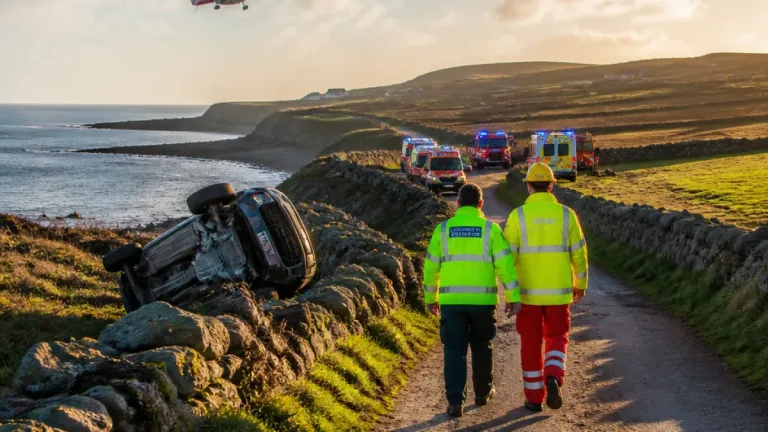
Clackmannanshire has been ranked the second safest area in the UK for road safety in a recent study by tyre specialists Blackcircles. The county recorded 42.2 road collisions per 100,000 people, placing it behind Aberdeen in the analysis.
What the study examined
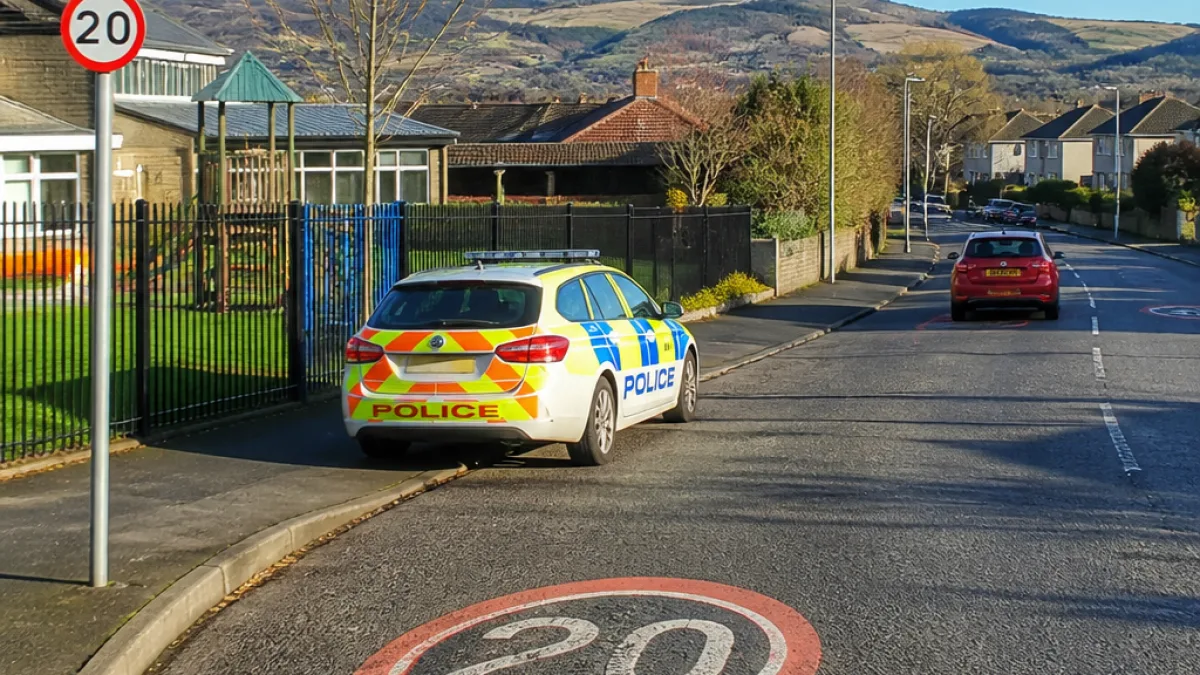
The research combined collision statistics with travel-related amenities to identify favourable destinations for road trips. Local factors highlighted in the report as likely contributors to Clackmannanshire’s position included police enforcement and the rollout of 20mph zones around schools and residential streets.
"42.2 road collisions per 100,000 people"
Local context and likely consequences
For residents and local decision-makers, the ranking is a snapshot that reflects a combination of enforcement and speed-management measures. The prominence of 20mph limits around school and residential areas in the study underlines the potential safety benefits of such schemes, while the reference to police activity points to the continuing role of targeted enforcement.
- Policy confirmation: The finding supports the use of lower speed limits and visible enforcement to reduce collisions.
- Public reassurance: Drivers, cyclists and parents may take comfort from the low collision rate compared with most of the UK.
- Planning impact: Local transport and safety teams may use the result to justify sustaining or expanding 20mph and enforcement measures.
How Clackmannanshire compares regionally and nationally
The study placed Aberdeen first for road safety, noting its expanded mandatory 20mph zones across city centre, school and residential streets. West Dunbartonshire appeared third in the ranking. At the other end of the scale, Dorset was identified as having the most dangerous roads in the analysis.
| Rank | Area | Collisions per 100,000 |
|---|---|---|
| 1 | Aberdeen | (study top rank) |
| 2 | Clackmannanshire | 42.2 |
| 3 | West Dunbartonshire | (study rank) |
While the methodology combined safety data with tourism-related factors such as campgrounds and fuel access, the safety component itself is the most immediately relevant to residents. Local authorities and community groups will likely view the position as an endorsement of existing safety policies, but it also raises questions about how to maintain or improve that standing as traffic patterns and budgets change.
Further detail on the study’s full methodology and raw data would be useful for local planners seeking to translate the headline ranking into specific measures. In the meantime, the result offers a positive indicator for road users across the county.