Appeal signalled in case that sparked council resignations
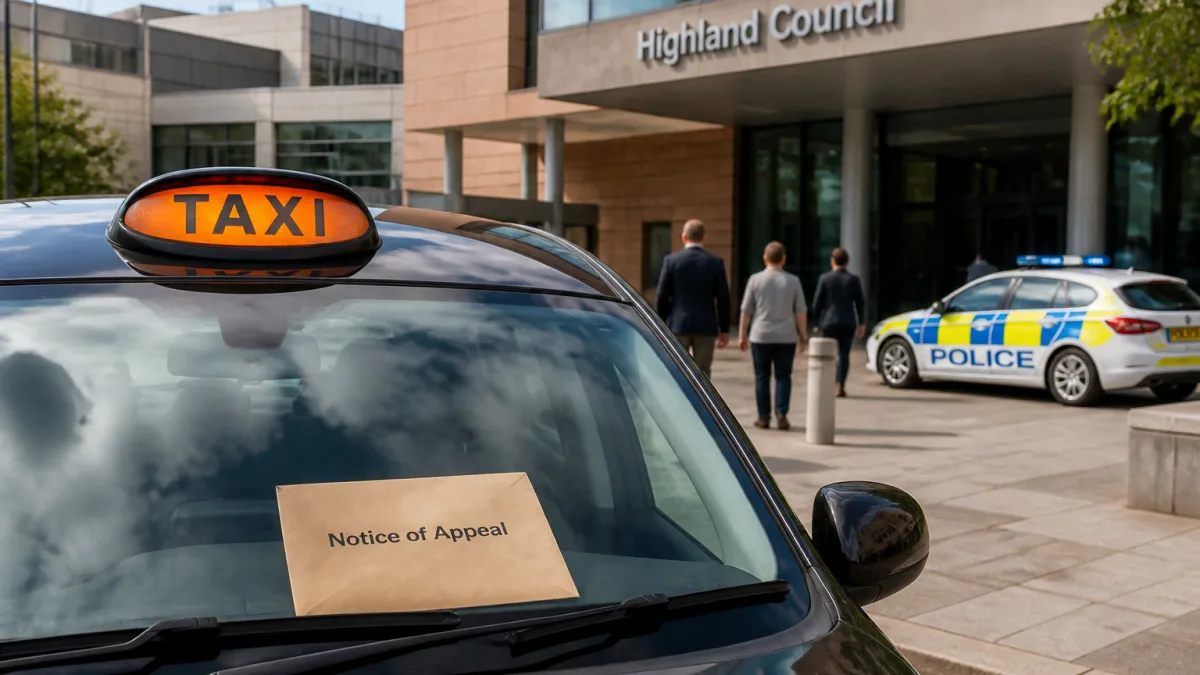
A Highlands taxi driver who was jailed for raping an 18-year-old woman has indicated he will appeal both his conviction and sentence, as scrutiny intensifies over a controversial licensing decision by Highland Council. The courts have been notified of David Brown’s intention to challenge the outcome, with a deadline set for a formal note of appeal to be lodged by next Tuesday.
Brown received a prison term of six years and nine months in May for an attack carried out in December 2023. The incident occurred after he collected the teenager, who had spent the evening in Inverness, and drove beyond her requested destination. He stopped at a lay-by between Strathpeffer and Dingwall, where he raped her, before leaving her in sub-zero conditions in Dingwall.
Jailing Brown at the High Court in Stirling, the judge said the victim had been forced to endure a “terrifying ordeal”.
Private committee decision led to outcry
The criminal case ignited a public storm when, the following month, the council’s licensing committee decided — in a session held in private — that Brown’s operator’s licence should remain in his name. This was despite an objection from Police Scotland. The committee vote reportedly split along gender lines, with six male councillors backing the continuation of the licence and four female councillors opposed.
It is understood a relative of Brown asked the committee to allow the business licence to continue. The move triggered a sustained backlash across the Highlands, with community confidence in the licensing process questioned by residents, taxi users and industry figures alike.
Political repercussions at Highland Council
The fallout has been immediate and significant. Four councillors — Sean Kennedy, John Grafton, Duncan Macpherson and Willie MacKay — stepped down from the licensing committee following criticism of the decision. Independently, MacKay resigned his council seat altogether. Meanwhile, Grafton was suspended by the Scottish Liberal Democrat group on the council, and Kennedy, an Independent, left the Highland Independents group. In total, two councillors have been suspended by their parties over the affair.
The controversy has put intense focus on how licensing choices intersect with public safety and trust. While licensing decisions can deal with a business entity rather than an individual’s personal fitness to drive, campaigners and residents have questioned whether maintaining a licence linked to a person convicted of such a serious offence aligns with the spirit of safeguarding obligations.
What happens next in the courts
The court has confirmed receipt of the intention to appeal, though a formal application has not yet been filed. If a note of appeal is submitted by the stated deadline, the case will move into appellate consideration. Until then, Brown’s conviction and sentence remain in force, and he is serving his custodial term issued by the High Court in Stirling.
Separately, the council’s handling of the licensing matter is likely to remain under the microscope. With multiple resignations and suspensions already recorded, further political ramifications cannot be ruled out. Police Scotland’s stated objection to the licence remaining in Brown’s name underscores the degree of concern held by law enforcement about ongoing public reassurance.
Timeline of key events
| Event | When |
|---|---|
| Attack on 18-year-old after Inverness pick-up; victim left in Dingwall | December 2023 |
| Brown jailed for rape at the High Court in Stirling | May |
| Licensing committee votes privately to keep operator’s licence in his name | The following month |
| Court notified of intention to appeal; deadline set for note of appeal | By next Tuesday |
Public interest and safeguarding concerns
The decision to maintain the operator’s licence in Brown’s name, notwithstanding a Police Scotland objection and the gravity of the offence, has provoked difficult questions about the transparency of licensing deliberations and the weight given to safeguarding. While it is common for licensing committees to meet in private when discussing sensitive matters, critics argue that explanatory information should be published to retain public confidence, particularly in cases involving serious violence against women and girls.
- Accountability: Calls have grown for clearer reasoning behind sensitive licensing decisions and for strengthened oversight mechanisms.
- Public safety: Taxi users and residents demand assurance that licensing frameworks prioritise community protection.
- Political fallout: Resignations and suspensions signal deeper divisions over how such cases should be handled.
As the appeal process progresses, the criminal judgment will face scrutiny in the higher courts. Meanwhile, Highland Council’s internal processes — from committee voting practices to communication with the public — are likely to be revisited amid ongoing concern across the region.