The convener of Highland Council has urged the Scottish Government to invest in a dedicated aerial firefighting capability as the region continues to confront an escalating risk from wildfires.
Emergency response stretched at Glenmore fire
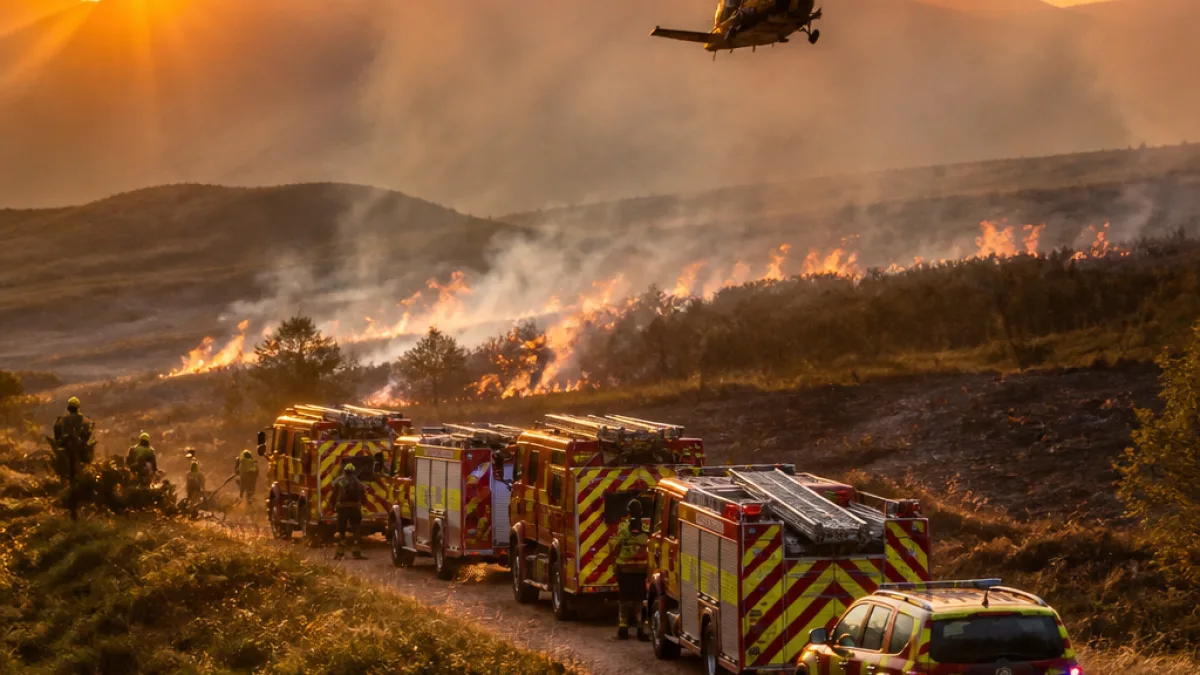
Fire crews remain engaged in tackling a significant wildfire near Glenmore, which at one point extended for around six kilometres. Responders on the ground included four fire appliances, a specialist wildfire unit and an additional 4x4 vehicle, which continued to remain at the scene overnight. A strict cordon and a series of road closures have been maintained to support the ongoing emergency operation.
Calls for aircraft after delayed aerial assistance
Efforts to bring the blaze under control were hampered by the limited availability of air support. A helicopter only reached the fire zone yesterday evening, by which time local crews had already been working on containment. There are community claims that helicopters normally based in Scotland were engaged in tackling fires south of the border, contributing to the delay in an aerial response.
“Many other countries have dedicated aerial firefighting response units whereas we have to beg or borrow the use of the occasional helicopter. That is complete and utter madness,”
Local Highland councillor Bill Lobban, who lives in Aviemore, said the scale of recent fires underlined his concern that Scotland may now face not only a tourist season but also a wildfire season. He praised the work of the Scottish Fire and Rescue Service (SFRS), partner agencies and local volunteers for preventing loss of life and property so far.
- Resources on scene: four fire appliances, a specialist wildfire unit, one additional 4x4 vehicle.
- Area affected: wildfire stretching approximately six kilometres by Glenmore.
- Public safety measures: strict cordon and road closures remain in place; public told not to travel to Glenmore Forest Park, Loch Morlich or surrounding area while operations continue.
Why aircraft matter
Aircraft such as water-bombing planes and helicopters can rapidly deliver large volumes of water or retardant to inaccessible or fast-moving wildfires. Supporters of a dedicated fleet argue that a standing capability would shorten response times and reduce reliance on mutual aid from other parts of the UK or overseas providers.
| Aspect | Current status |
|---|---|
| Ground resources at Glenmore | Four fire appliances, specialist wildfire unit, 4x4 vehicle |
| Aerial response | Helicopter arrived late; claims helicopters were engaged south of the border |
| Public access | Cordon and road closures in place; public advised not to travel to the area |
The convener's call comes amid growing concern about the long-term impacts of climate change on wildfire frequency and severity. Councillors and local officials say the pattern of incidents requires rethinking how Scotland plans for and deploys firefighting resources.
At present, Scotland can access aerial firefighting assets from other UK regions or international partners in extreme circumstances, but councillors argue that this ad-hoc approach is insufficient for a local authority facing repeated and large-scale wildfires. The convener and local representatives are pressing for a national decision to provide a permanent aerial response capability to better protect lives, property and the natural environment across Highland.