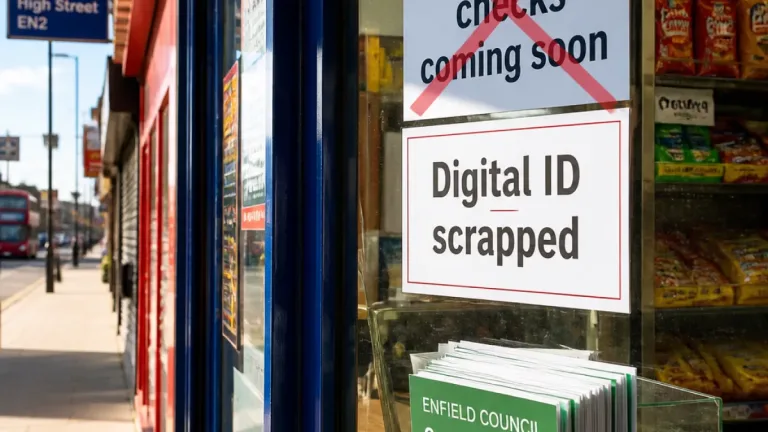

Incoming prime minister Andy Burnham has announced the cancellation of the national digital ID programme, saying funds and staff that had been allocated to the project will be diverted to measures intended to help people struggling with the cost of living.
Government priorities to be reset
A spokesperson for the incoming administration described the move as a “reset of priorities”, signalling a shift away from what senior ministers had previously billed as a long-term digital infrastructure project. Officials said the time and resources earmarked for implementing a national ID system will be focused instead on more immediate public needs.
“All the time and resource that was going to be spent on a national ID scheme will go instead to where it’s most needed, such as helping with the cost of living.”
The programme had been unveiled by Sir Keir Starmer as part of plans to tighten right-to-work checks and improve borders enforcement. It was presented at a national summit last year as a central technology initiative for government services.
Cost questions and parliamentary scrutiny
The Office for Budget Responsibility had estimated the scheme would cost £1.8 billion over three years. Downing Street previously rejected that figure, and ministers did not publish an alternative official total, a point noted in parliamentary scrutiny of the plans earlier this year.
| Item | Reported figure |
|---|---|
| OBR three‑year estimate | £1.8bn |
| Government response | No published estimate |
Critics of the cancellation have questioned whether the decision simply formalises a change already under way: ministers had earlier said mandatory use of a digital ID for right‑to‑work checks would not proceed, and the scheme was expected to be voluntary in some areas.
Political responses
Opposition figures have accused the incoming prime minister of attempting to claim credit for a reversal they say was already underway. The shadow technology spokesman argued that significant sums had already been spent on the project and called for clarity over what exactly will be halted.
- Officials say staff and funds for the digital ID project will be reallocated.
- Ministers previously suggested the scheme might underpin future digital public services.
- Parliamentary committees had raised concerns about the absence of an official cost estimate.
For local authorities and public services across the country, the decision will be watched closely. Councils that had been preparing for changes to verification and benefits systems may now see those plans altered or delayed, while central government departments are likely to issue further guidance on how redirected resources will be used.
As the new administration takes office, further announcements are expected setting out the specific measures that will replace the digital ID programme in the Government’s immediate list of priorities.
Jack Osei
Dudley Local Affairs Correspondent, InfoRadar