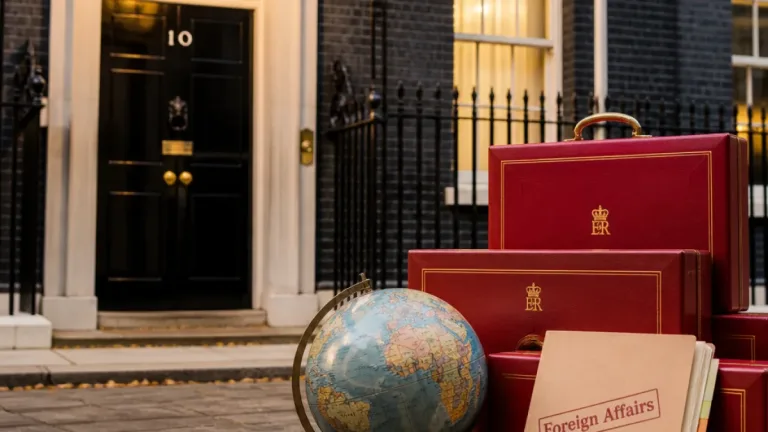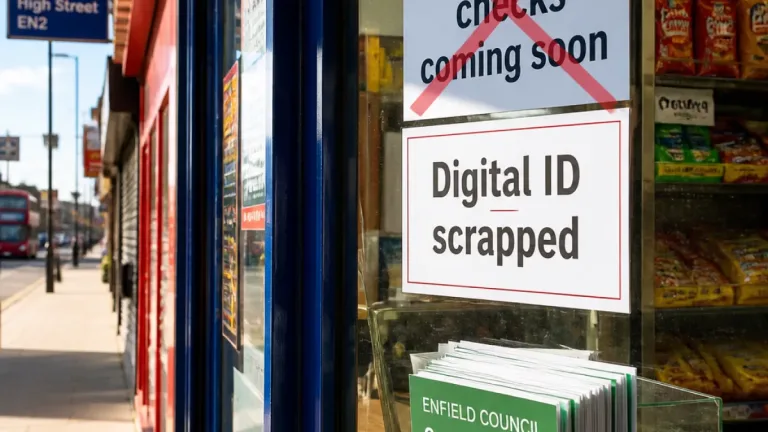
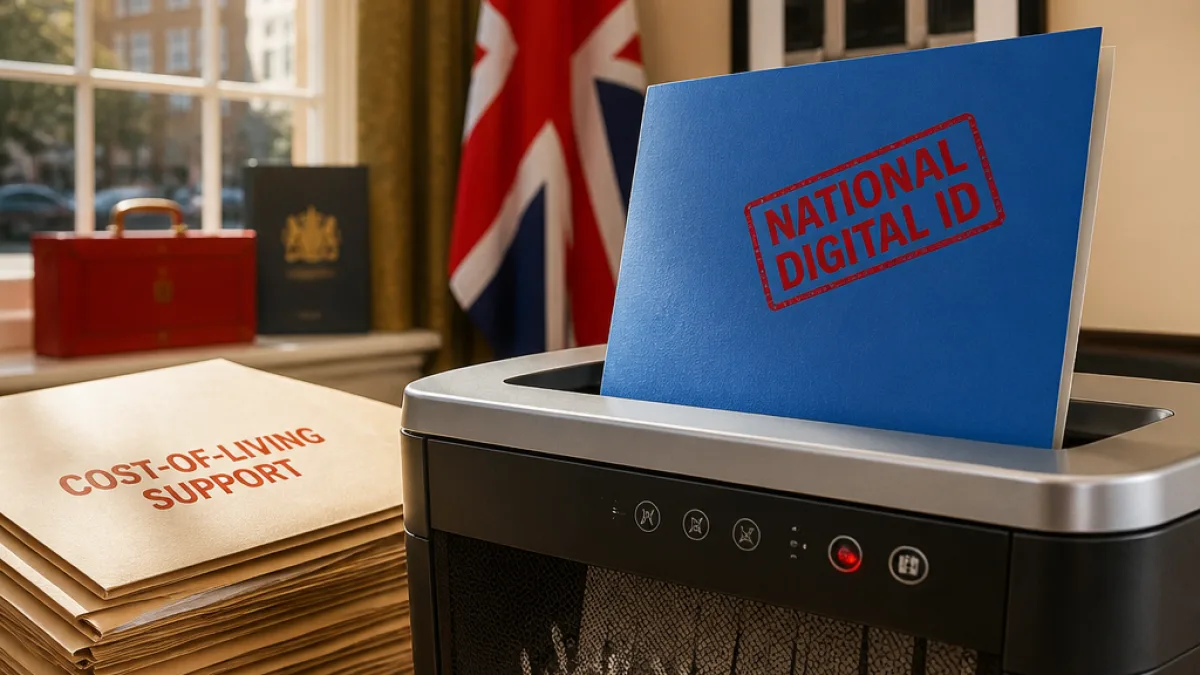
Andy Burnham’s incoming administration has announced it will abandon Sir Keir Starmer’s flagship national digital ID programme, saying the project’s resources will instead be used for immediate measures to help people with the rising cost of living.
Statement signals a shift in priorities
A spokesperson for the incoming prime minister described the decision as a “reset of priorities”, indicating that funds and staff time previously set aside for the digital ID would be reallocated to what the government sees as more tangible improvements to people’s lives. The spokesperson said the new government would:
- stop work on the national digital ID programme;
- redirect money and resource to cost-of-living support and other immediate pressures;
- focus on projects that deliver direct benefits to the public in the short term.
“That means all the time and resource that was going to be spent on a national ID scheme will go instead to where it’s most needed, such as helping with the cost of living.”
Why the scheme was controversial
The digital ID plan was first unveiled by Sir Keir Starmer and was framed as a tool to tighten checks on illegal immigration and modernise public administration. However, the plan quickly attracted criticism. One independent assessment by the Office for Budget Responsibility estimated the programme could cost £1.8 billion over three years — a figure Downing Street had rejected while not providing an alternative estimate, a point that has fuelled concern among MPs and commentators that true costs were unclear.
Opposition figures have accused Labour of wasting public funds and suggested the announcement is political posturing. Shadow technology secretary Julia Lopez argued the project had already been pared back and demanded clarity about what precisely would be halted.
"Labour have wasted millions of pounds on this project and now Andy Burnham is trying to pretend he’s riding to the rescue,"
Local and practical implications
For residents in Barking and Dagenham, the move may be welcomed by those prioritising immediate help with household budgets and public services. But the decision also raises questions about the future digital strategy for routine checks, such as right-to-work and access to services, and whether local authorities and employers will face gaps while alternative arrangements are considered.
| Item | Detail |
|---|---|
| Estimated OBR cost | £1.8 billion over three years |
| Government position | Resources to be reallocated to cost-of-living and immediate priorities |
The incoming administration will need to set out how savings will be delivered and which short-term measures will be prioritised. It must also explain how routine verification and immigration checks will be conducted without the national ID infrastructure that ministers had proposed.
As the new government prepares to take office, local authorities and employers will be watching for guidance on any transitional arrangements and the practical steps that follow the announcement.