Inquiry finds billions squandered during emergency buying
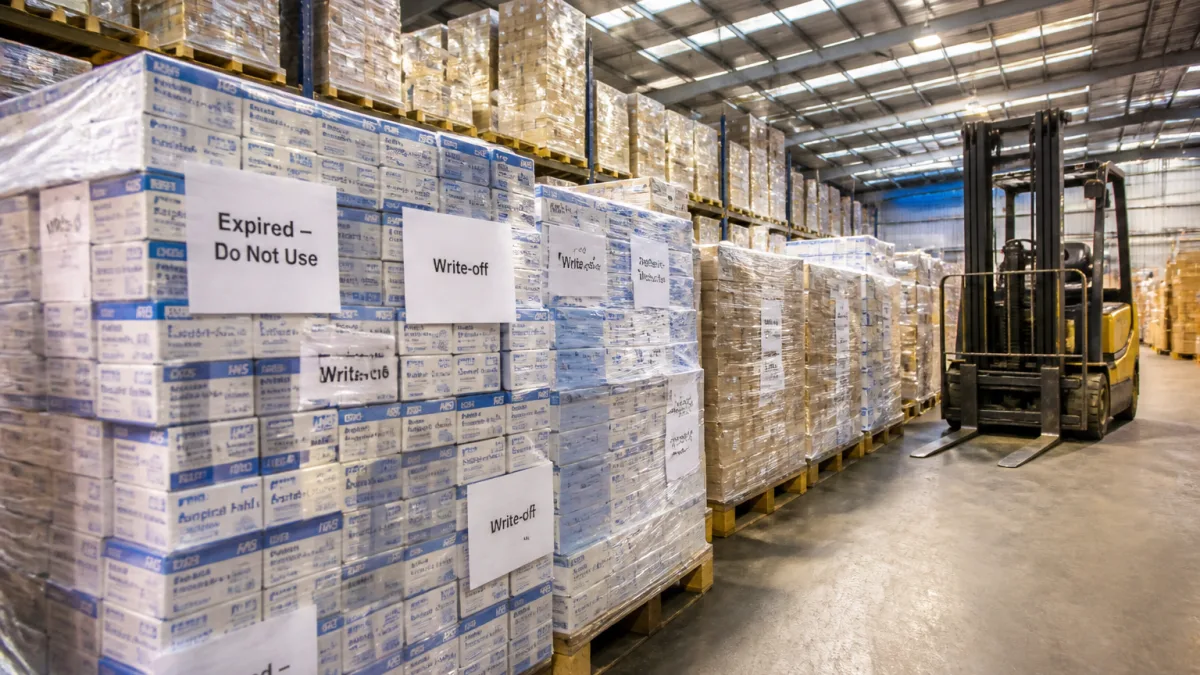
Almost £10 billion of public money was lost during the rush to secure personal protective equipment at the height of the pandemic, the official Covid-19 inquiry has concluded. In her fifth report, chair Baroness Heather Hallett describes the wastage in PPE procurement as “vast”, with £9.9bn written off — around two-thirds of the £14.9bn spent by the UK and devolved administrations.
The report paints a picture of a system under intense strain, operating without robust triage mechanisms and grappling with creaking stockpiles. It also criticises the creation of a so‑called “VIP lane” that fast‑tracked offers referred by politicians and health leaders, branding the process misguided and unfair, while finding no evidence of criminality by ministers or officials.
“The waste of taxpayers’ money was vast. The public must be able to trust that their money is being spent with propriety, fairness and transparency. Public confidence – so important in an emergency – was undermined by failures in procurement.”
What the inquiry says went wrong
According to the report, the UK entered the crisis poorly prepared. Existing reserves of protective kit were in what the inquiry calls a perilous condition, with large volumes past their expiry dates. In England, only about a third of pre‑pandemic masks were still serviceable. The inquiry also records that Scotland lacked supplies of the highest level FFP3 masks required by frontline clinicians.
When a public “call to arms” was issued in April 2020, the procurement system was deluged. Over a 15‑week period, officials received around 25,000 approaches, at times as many as 300 a day. In response, a high‑priority channel was set up to sift referrals from political figures, the NHS and others. Lady Hallett concludes that this approach sidestepped fair process and damaged confidence, even though the inquiry found no evidence of cronyism or corruption by decision‑makers when awarding contracts.
At a glance: the numbers
| Measure | Amount |
|---|---|
| Total PPE spending | £14.9bn |
| Assessed waste | £9.9bn |
| Share of spending lost | About two‑thirds |
Why this matters in Barking and Dagenham
For residents and businesses in Barking and Dagenham, the findings go beyond headline figures. The sums involved represent national resources that could otherwise support local priorities — from health and social care to schools and transport — and the report’s conclusions will shape how future crises are managed. Confidence in public procurement is central to ensuring staff in hospitals, care homes and community settings receive the right equipment at the right time, without waste.
The inquiry underlines that preparedness is not an abstract concept. Stockpiles must be maintained to usable standards, processes must be transparent, and emergency purchasing has to be both swift and defensible. The suggestion that good governance faltered under pressure will resonate with frontline workers and families here who lived through the shortages and rapid changes in guidance.
Key lessons and next steps
- Preparedness and stockpiles: The condition and suitability of emergency reserves need routine oversight to ensure kit is effective when required.
- Transparent procurement: Emergency systems should triage large volumes of offers without creating unequal channels that risk undermining public trust.
- Public communication: Clear messaging helps avoid overwhelming procurement processes and maintains confidence during fast‑moving events.
While the report is unsparing in its assessment of waste and process design, it stops short of alleging wrongdoing by ministers or officials. The focus is instead on systems and structures: how they coped, where they failed, and what must change. Those reforms will be closely watched by councils, NHS trusts and providers serving this borough, all of whom rely on resilient supply chains and fair procurement rules.
The inquiry’s broader programme continues, and further findings are expected to address other aspects of the pandemic response. For Barking and Dagenham residents, the message is clear: lessons must translate into practical improvements so that public money is safeguarded and frontline workers are properly protected when it matters most.