Bracknell Forest’s flagship plan to tackle violence against women and girls has won broad political support but prompted questions over how the borough will ensure the policy is delivered effectively.
Charter aims to win commitment from local organisations
The initiative, led by Council leader Helen Purnell, was modelled on London’s Night Safety Charter and seeks formal pledges from a wide range of local bodies. The council is aiming to secure signatures from institutions including schools, gyms, hospitality operators, transport providers and major employers, using licensing and existing relationships to encourage participation.
Councillors say the charter could give the council a stronger hand when engaging with pubs, late‑night venues, taxi firms, bus operators, railway stations, shopping centres and business parks.
Opposition backed principle but pressed for clarity
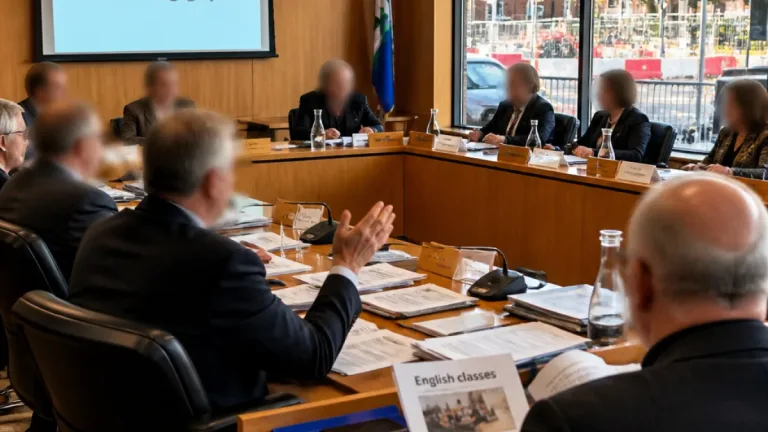
At the council meeting on 15 July, Conservative group leader Gareth Barnard welcomed the charter in principle but questioned whether sufficient groundwork had been carried out to know whether partners are already meeting their responsibilities.
“It’s great to have a charter that people can sign up to, but there are multiple organisations in our borough… who have a duty. Are we confident that all those bodies are doing what they should do… and have we audited and understood what’s going on?”
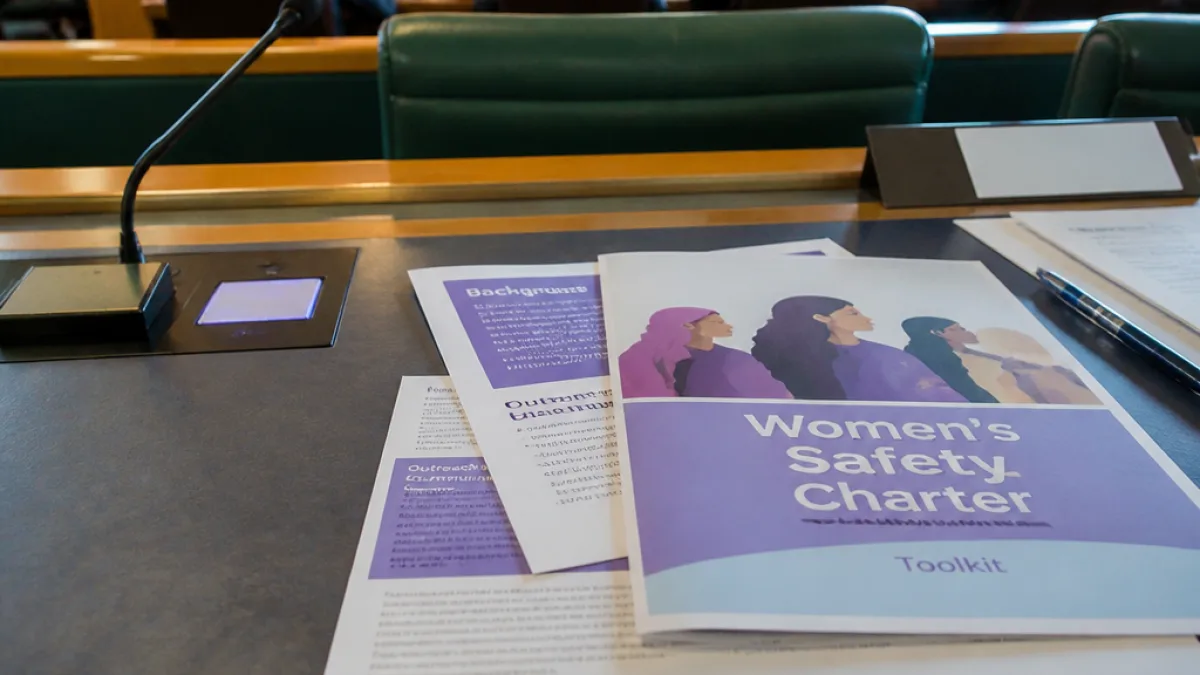
Responding, Cllr Purnell said the charter and accompanying materials would help establish that baseline. She pointed to a toolkit intended for businesses and operations which, she said, would reveal what is already being done and where gaps remain.
Conservative councillor Tina McKenzie‑Boyle also supported the aim but warned against the charter becoming a box‑ticking exercise.
“Let’s hope this charter is robust and actually means and does something… I’m nervous that it’s a tick in the box activity… All very good on what we want, but it would be better on how to deliver.”
What the charter will ask of partners
- Commitments from venues and organisations to improve safety for women and girls
- Use of licensing and council relationships to secure compliance
- Provision of a toolkit to guide businesses on practical measures
The council intends the charter to be practical rather than purely symbolic. Officers expect the toolkit to set out operational steps that premises and services can adopt, and that signing the charter will prompt organisations to review their current arrangements.
| Target groups | Examples |
|---|---|
| Transport | Taxi firms, bus operators, railway stations |
| Leisure and retail | Pubs, late‑night venues, shopping centres, gyms |
| Education and employment | Schools, business parks, major employers |
Councillors from across the chamber signalled willingness to strengthen the policy where necessary, with parties effectively competing to make the charter more robust. The debate highlighted two linked priorities for councillors: establishing what is already being done by duty‑holders across the borough, and ensuring any pledges translate into measurable improvements rather than symbolic endorsements.
Further detail on monitoring, reporting and enforcement is expected as the council moves from launch to implementation. For residents, the central question will be whether the charter leads to tangible changes in safety on the borough’s streets and in public spaces.