The long-running tension between housebuilding and nature conservation in Bracknell Forest spilled into public disagreement this week as councillors and campaigners debated what powers the authority really has to protect wildlife on development sites.
Background to the dispute
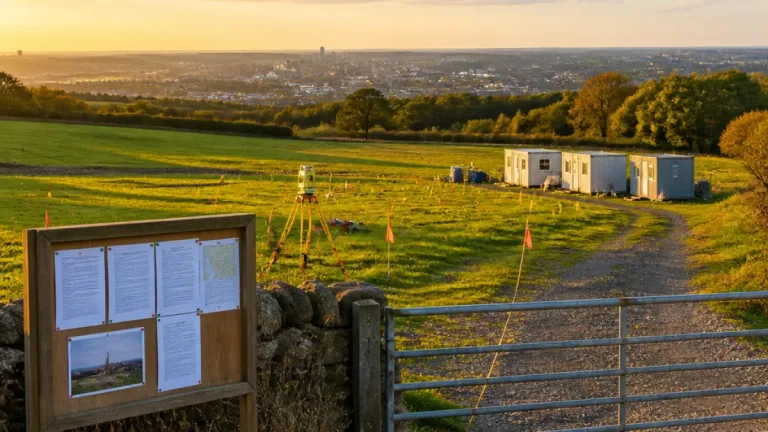
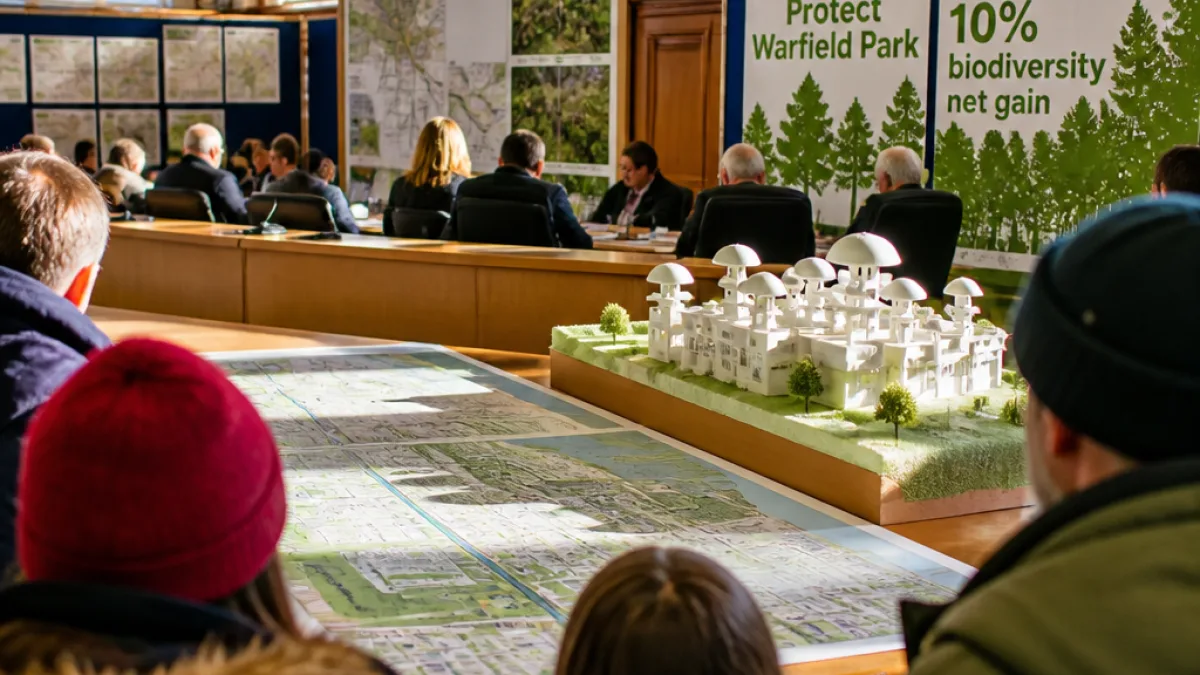
At the centre of the row is the Mushroom Castle scheme in Winkfield Row, where residents and local naturalists say valuable habitat adjoining Warfield Park will be lost. Campaigners complain that decisions taken during the 2023 planning process have fixed what habitats may be retained and so leave the council powerless to act when new ecology evidence is submitted at later stages.
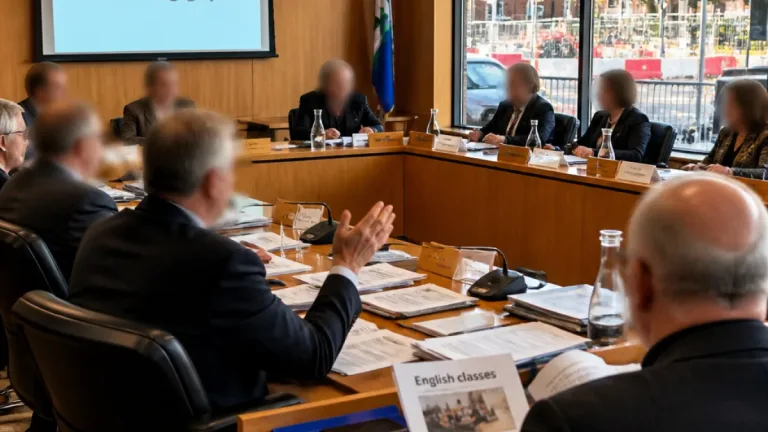
Members of the borough’s planning committee, led by Conservative councillor Tony Virgo and Liberal Democrat Patrick Smith, told colleagues they feel constrained by national policy and previous committee decisions when residents bring fresh biodiversity concerns at the reserved matters stage.
“We have a great team of professional officers who give us professional advice. We have to work from a regulatory framework,”
The comment from Cllr Smith underlines a wider unease among members who say the system does not always allow them to respond to late-submitted ecological surveys or to impose further habitat protections once certain planning approvals are established.
Cross-party motion and local policy
Despite the sharp exchanges, councillors later united behind a cross-party motion designed to clarify how the borough approaches habitat protection on development sites. Labour’s executive member for Planning, Transport and Countryside, Guy Gillbe, described the resulting discussions as productive and said they delivered a package that secured support across the chamber.
The council administration points to existing planning commitments intended to reflect Bracknell Forest’s green identity. These include a local Biodiversity and Green Infrastructure planning document and an aspiration to secure at least 10% biodiversity net gain on applicable developments — the approach designed to ensure new schemes leave biodiversity in a better state than before.
What residents say
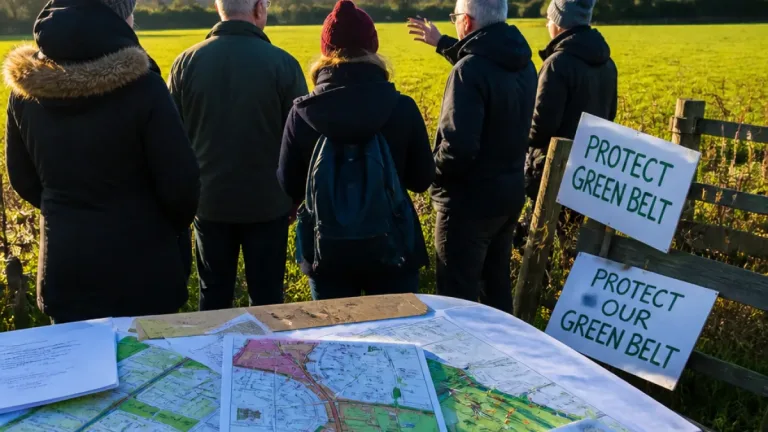
Local campaigners, including Avril Haubrich, told reporters the measures come too late to redress what they call maladministration around the Mushroom Castle application. They argue that species and habitats already present have been given inadequate protection and that technicalities in the planning timetable prevent meaningful intervention once certain approvals are set.
Why this matters locally
- Environmental impact: Loss of adjoining habitat can fragment wildlife corridors and reduce local biodiversity.
- Planning certainty: Developers rely on established approvals; councillors say late-stage ecology evidence cannot always change outcomes.
- Community trust: Residents’ frustration with perceived procedural failings risks eroding confidence in local decision‑making.
Councillors’ frustration with being "tied by national policy" highlights a recurrent tension in local government: the balance between implementing central government planning rules and responding to constituency concerns about environmental protection.
| Group | Position |
|---|---|
| Residents/Campaigners | Seek stronger habitat retention and redress for perceived procedural failings |
| Planning Committee Members | Want ability to act on new ecology evidence but feel constrained by policy |
| Council Administration | Points to local biodiversity planning document and 10% BNG commitment |
The council must now consider whether further procedural changes, clearer guidance for officers and members, or additional conditions on future applications can reduce the chances of similar disputes. For residents seeking to influence outcomes, the timing of ecology reports and the stage at which objections are lodged appear to be crucial factors.
The Mushroom Castle controversy is emblematic of wider national debates about how to reconcile housing delivery with environmental protection — and whether current planning rules give local councillors adequate tools to secure both.