MPs press ministers over sewage discharges; residents mobilise over River Cut
Bracknell Forest’s long-running frustration with water quality has arrived on two fronts: in Westminster, where the government promised a Clean Water bill with a tougher oversight regime, and on the ground in Bracknell, where an ePetition calling for action on pollution in the River Cut has cleared 200 signatures.
During a Commons exchange, Bracknell MP Peter Swallow criticised Thames Water’s environmental record and voiced concern over the potential impact on local billpayers and infrastructure investment. He urged ministers to consider extraordinary intervention.
“Thames Water was responsible for a third of all major pollution incidents in 2025. Now its creditors want to jack up my constituents’ bills, delay improvements to infrastructure and dodge future fines. My constituents are being failed.”
Reading’s MP Matt Rodda also highlighted repeated problems affecting residents and local services, citing pollution of the Thames, water supply interruptions and disruption linked to subsidence.
“My constituents are appalled by the sewage pollution in the River Thames and by the poor quality of customer service offered by Thames Water. We have had numerous breaks in supply and there was an issue with subsidence that closed a road in Reading.”
Responding for the government, the Secretary of State for Environment, Food and Rural Affairs, Emma Reynolds, set out plans for a bill establishing a supervisory regime and a new regulator with greater powers and dedicated teams to scrutinise each company’s performance.
“[It] would introduce a supervisory regime whereby the new regulator [with] more teeth, a team of people for each water company to get a grip on the performance of each water company and holding it to account.”
She criticised historic arrangements that, in her words, allowed companies too much latitude.
“What we have seen up until now, is the shift we saw 15 years ago towards a system where companies were basically marking their own homework. That cannot be right; that is not a proper regulatory system.”
Local petition urges use of council powers
In Bracknell Forest, residents have launched an ePetition directed at the council, calling for urgent measures to prevent pollution of the River Cut. Petitioners argue the issue amounts to unlawful commercial contamination and ask the authority to deploy its full legal powers, citing the Environmental Protection Act 1990 and the Wildlife and Countryside Act 1981. The campaign has passed the 200-signature mark, reflecting rising public anxiety over water quality and river health.
While the petition focuses on local levers, the parliamentary debate underscores parallel national efforts to recast oversight of the sector. Residents following both developments will note that any new supervisory model would sit alongside existing environmental and wildlife protections already on the statute book.
What residents should watch next
- Details of the government’s proposed Clean Water bill, including the scope and enforcement powers of the new regulator.
- Any decision by ministers on special measures for Thames Water, following calls from Bracknell’s MP.
- Bracknell Forest Council’s response to the ePetition and how it intends to apply powers under the Environmental Protection Act 1990 and Wildlife and Countryside Act 1981.
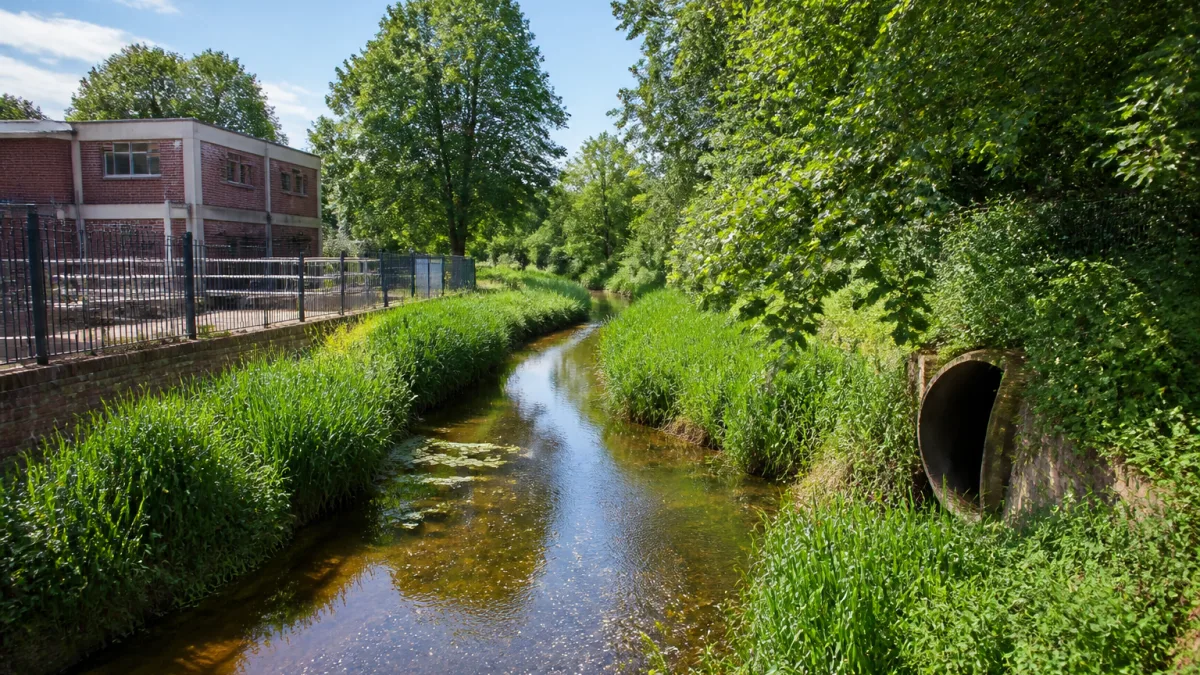
The River Cut, a tributary coursing through Bracknell Forest, has become a focal point for community concern as residents balance appreciation for local blue-green spaces with alarm at the risks posed by pollution incidents. Campaigners are linking river health to wider public interests including amenity, biodiversity and consumer protection.
Parliamentary exchange at a glance
| Who | Key point |
|---|---|
| Peter Swallow MP (Bracknell) | Called for tougher action, raised fears over higher bills, infrastructure delays and fines avoidance. |
| Matt Rodda MP (Reading) | Highlighted sewage pollution, supply interruptions and a road closure linked to subsidence. |
| Emma Reynolds MP (DEFRA) | Pledged a Clean Water bill and a regulator with "more teeth" and company-specific supervision. |
For Bracknell Forest residents, the coming weeks will be about clarity: the precise legal tools in the promised legislation, the council’s stance on the petition, and how both central and local routes can be used to reduce pollution risks. The debate now turns on enforcement and transparency—how performance is measured, how failures are sanctioned, and how swiftly remedial works follow.
As discussions advance, constituents can continue to follow updates from their MPs, track the petition’s progress on the council’s ePetitions page, and report environmental concerns through established local channels. Ensuring accountability—from boardroom to riverbank—will be the test of whether the promised changes deliver cleaner, safer waterways for the borough.