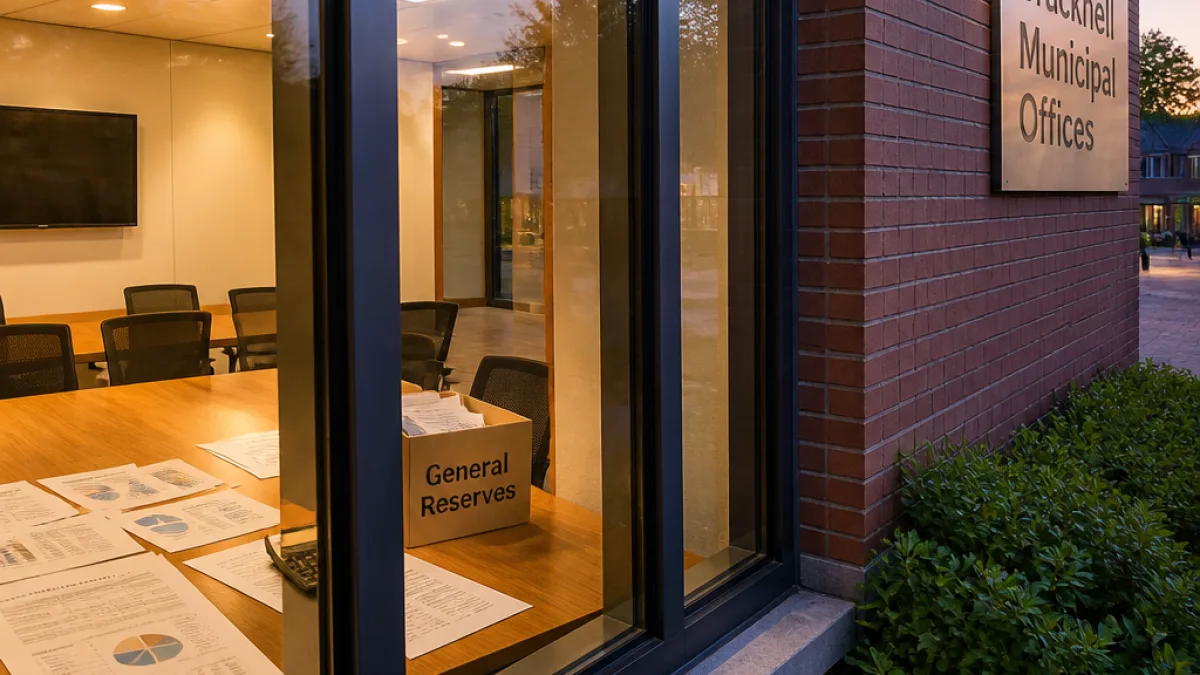
Bracknell Forest Council has reported an underspend of £2.66 million on its 2025–26 revenue budget, councillors were told on Tuesday. The authority approved a revenue budget of £105.597 million for the year but actual spending came in at £102.940 million, with the difference now returned to the council’s general reserves.
How the saving was achieved
Cabinet members heard the council had taken a series of deliberate steps during the year to bring spending under control after facing a potential overspend earlier in 2025–26. Measures included:
- limiting or stopping non-essential spending;
- carefully reviewing recruitment requests to reduce staffing costs;
- encouraging services to outperform their financial forecasts.
Those actions meant that funds set aside in the corporate contingency to meet unexpected costs were not fully required.
"Cabinet noted the council’s financial position relating to the 2025 to 2026 budget, which showed we were able to save around £2.66 million compared t
What the revenue budget covers
The council emphasised that the revenue budget funds day-to-day services. Key areas covered include social care, waste collection, housing and homelessness support, community safety, libraries and leisure services, parks and countryside, public health and school admissions. It also covers grants to community groups and partner organisations, debt and interest repayments, staff costs and utilities.
| Item | Amount |
|---|---|
| Approved 2025–26 revenue budget | £105.597m |
| Actual spending | £102.940m |
| Underspend returned to reserves | £2.66m |
Why reserves matter
The underspend has been returned to general reserves to help the council manage future budget pressures. Council officers warned that financial strain is expected to continue in coming years, driven by rising demand for services and funding changes from Whitehall.
Specific pressures highlighted include growing demand for special educational needs and disabilities (SEND) provision and social care, ongoing inflationary cost increases and what the council described as a history of underfunding from central government. The authority also expects reductions in grant funding due to a review of local government funding distribution, known as the Fairer Funding Review 2.0.
Local context and next steps
Council leaders presented the final position to Cabinet as part of regular financial oversight. Returning savings to reserves is a common approach to build a buffer against future volatility, but it does not remove the need for savings or service adjustments ahead. Residents may see further budget consultations or service reviews as the council seeks a sustainable medium-term financial plan.
Details of any specific proposals arising from the wider medium-term financial planning process are expected to be discussed in future committee meetings. For now, the council can point to a final year position in which spending was below the approved level and an immediate boost to reserves of £2.66m.