Public asked to help protect disabled parking access
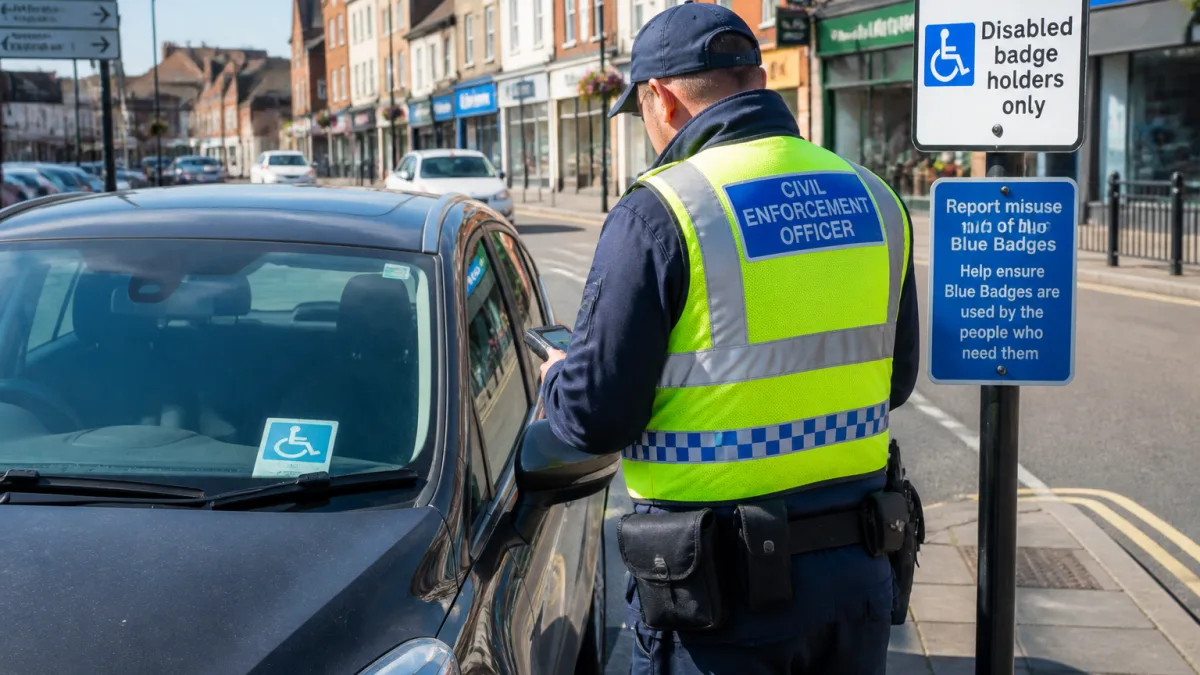
North East Lincolnshire Council is urging residents to report suspected Blue Badge abuse, warning that misused badges deny disabled people the parking access they rely on. The authority said civil enforcement officers are empowered to check badges, and failing to cooperate is a criminal offence.
Local couple James Vardy, 77, and Pauline, 73, described how vital their badges are to getting out and about, backing tougher action against people who misuse the scheme. Their experiences reflect growing national alarm over fraudulent and inappropriate use that reduces the number of spaces available to genuine badge holders.
“People using them who don't need them is terrible, they're taking a space which a disabled person might need, and they'd have to park miles away, which is unfair for him or her.”
Pauline added that swift consequences matter:
“As soon as you find out someone is misusing one, take it off them and fine them.”
Enforcement message from the council
The council emphasised that its parking team will continue to monitor and challenge potential misuse. Officers can request to examine a badge to verify that it is valid and being used by the holder. The message from officials was unambiguous:
“People misusing them, whatever the circumstances, is not acceptable. These badges are for the holders and them alone.”
The reminder comes as demand for central parking in towns across the borough remains high, particularly for residents who need step-free access or to park close to services. Misuse, councillors and campaigners argue, directly affects those with mobility issues by reducing turnover and availability of designated bays.
Warnings over fake and stolen badges
Concerns are not limited to improper use by family or friends. In 2025, the Blue Badge Fraud Investigation agency reported that badges were being faked, doctored, stolen and sold online, while some were used even after the badge holder had died. Industry specialists have linked the trend to wider pressures on parking.
Phil Brittain, from Blue Badge Protector, said there were a number of reasons for the rise in badge abuse. “The cost for parking, so people will buy a black market blue badge to save on parking and, obviously, the convenience of being near a shop,” he said.
Local advocates say such practices undermine trust in the scheme, making legitimate users more likely to face questioning or scepticism, and increasing the workload on enforcement teams.
What kinds of misuse are being seen?
Reports highlighted by investigators and campaigners point to several recurring patterns. While each case is different, the most common types include:
- Using a valid badge when the badge holder is not present.
- Continuing to use a badge after the holder has died.
- Possession of counterfeit or altered badges.
- Use of stolen badges purchased or traded online.
| Type of abuse | How it harms access |
|---|---|
| Family use without holder | Occupies disabled bays the holder might need |
| Posthumous use | Removes spaces from eligible residents |
| Counterfeit/altered badges | Bypasses checks and undermines enforcement |
| Stolen/online-traded badges | Creates a black market and fuels further theft |
Why the council wants reports now
Local officials say public reports are a crucial tool for targeting enforcement where it is most needed. The ability to examine a badge on the spot helps officers identify apparent misuse swiftly, but tip-offs from residents can guide patrols to recurring problem locations and times, improving the chances of intervention.
The council’s stance reflects a wider push to protect legitimate users. For residents with significant mobility challenges, a Blue Badge can be the difference between accessing essential services or staying at home. Ensuring bays turn over properly and that only eligible users occupy them is central to how the scheme is intended to work.
What residents can do
Residents who witness suspected abuse are being encouraged to share details with the council so officers can investigate. While not every suspicion will amount to fraud or criminality, officials say raising concerns helps to protect disabled parking access and supports targeted enforcement.
As the council reiterates, the principle is straightforward: Blue Badges are for the holder’s use alone. The authority’s reminder, backed by local voices, underlines that protecting the integrity of the scheme ultimately protects the independence of those who rely on it most.