
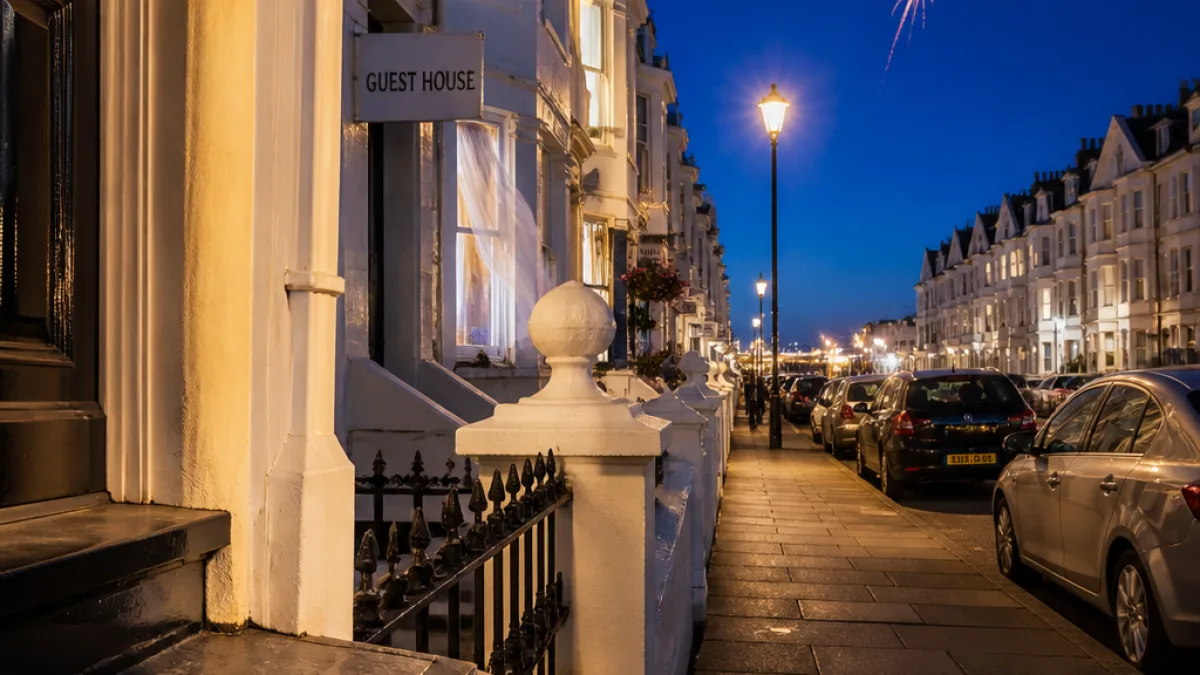
Eastbourne has been ranked the second-worst area in the UK for noise complaints from neighbours, according to a recent national study, with only Worcester recording a higher level of friction.
County totals put East Sussex top of national chart
The same analysis put East Sussex at the top of county-level figures for noise complaints, averaging 7.7 complaints per 1,000 residents. Neighbouring West Sussex was recorded with 7.0 complaints per 1,000, placing it level second in the county rankings.
Acoustic experts cited in the study suggest coastal towns such as Eastbourne face particular pressures because of the concentration of holiday accommodation and a higher proportion of short-term visitors. That transient population can increase instances where temporary residents disrupt long-term neighbours.
Local disturbances and police findings
Locally, residents have reported a series of unexplained late-night loud bangs across Eastbourne, stretching from the town centre to the harbour. Sussex Police have said these noises are "highly likely to be fireworks being set off from moving vehicles."
"11pm noise rule"
The study also noted a marked rise in online searches for the so-called "11pm noise rule" as residents seek clarity. There is no nationwide curfew on noise in the UK, but councils retain powers to investigate and take action where domestic noise is excessive during the night.
- Councils can investigate noise complaints operating between 11:00pm and 7:00am.
- Sanctions available include warnings, fines and, in persistent cases, seizure of audio equipment.
- Police have attributed several reported bangs to fireworks from moving vehicles, increasing concerns about safety.
| Rank/Area | Note |
|---|---|
| 1 — Worcester | Top-ranked for neighbour noise complaints in the national study |
| 2 — Eastbourne | Second-highest level of neighbour noise complaints |
| East Sussex (county) | Average 7.7 complaints per 1,000 residents — highest county figure |
| West Sussex (county) | Average 7.0 complaints per 1,000 residents |
For residents troubled by excessive domestic noise, the first step remains reporting incidents to the local council or, where there is an immediate safety concern, to Sussex Police. Local authorities will typically seek to investigate complaints made during the defined night-time window and may issue sanctions if neighbours are found to be causing persistent disturbance.
The study adds to a broader picture of pressure on coastal towns during busy periods, where balancing visitor trade and the rights of permanent residents remains an ongoing challenge for local councils, police and community groups across East Sussex.