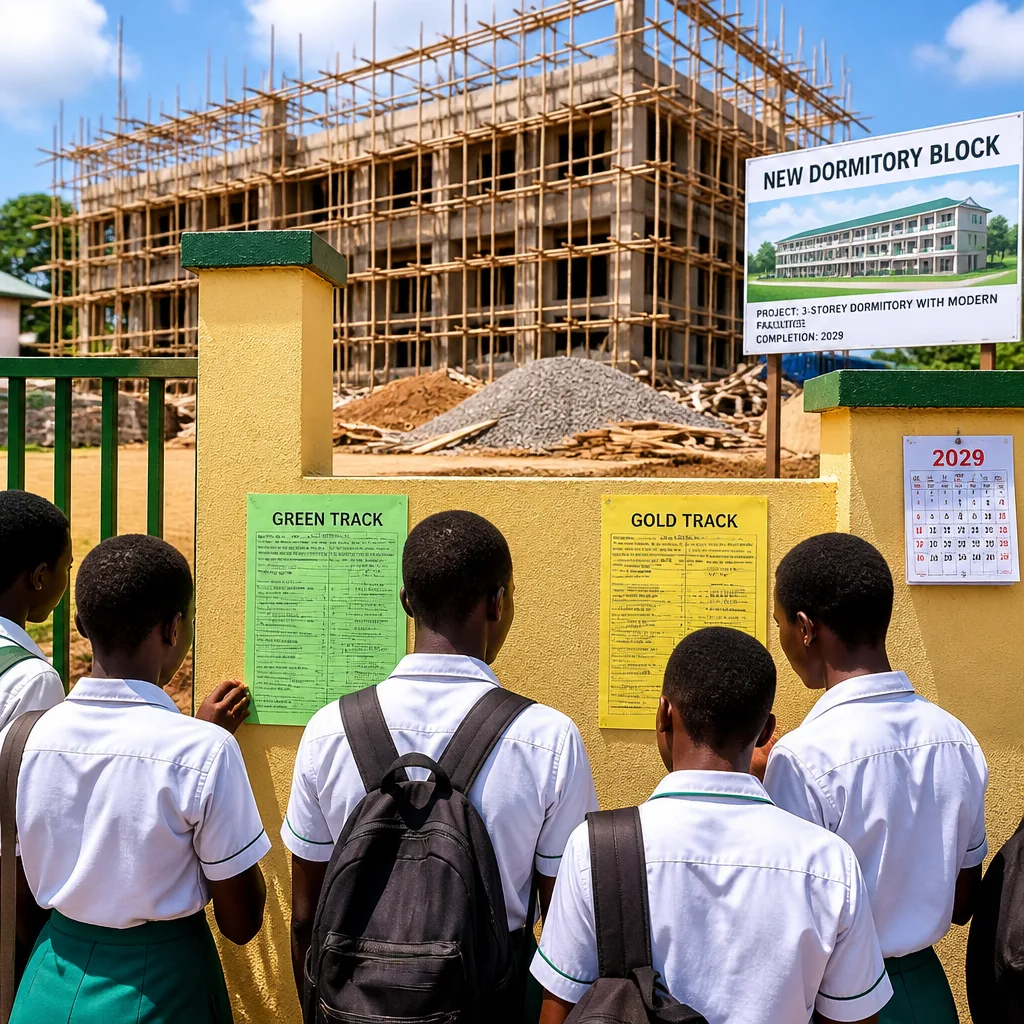
Ghana has pushed back its target for ending the double-track system in senior high schools to 2029, aligning the move with a major school infrastructure programme valued at 331 million. The new date was set out by Education Minister Haruna Iddrisu at a government press briefing in Accra on Monday, 20 July 2026.
Revised timeline tied to building programme
The minister said the phase-out would depend on delivery of the STAR-J plan, a Cabinet-approved package for expanding and modernising facilities across secondary and technical institutions. Parliament is expected to consider the proposal on 21 July 2026. The announcement marks a shift from an earlier political pledge to complete the phase-out by 2027.
According to the minister, the upgrade programme is intended to relieve pressure created by rising numbers under Free Senior High School, introduced in 2017. He cited well-known schools, including Presbyterian Boys' Secondary School and Achimota School, as examples where intake has grown faster than capacity for classrooms, dormitories and laboratories.
"By 2029, we should be done with double track with this intervention... If we give them adequate furniture, they are out of double track."
What STAR-J would fund
The Education Ministry outlined a package intended to reach 210 senior high, senior high technical and TVET institutions nationwide. The measures include refurbishments, targeted upgrades and construction of new schools. The minister also referenced new community day senior high schools at Nima and Kasoa, alongside a special needs education facility.
- Rehabilitation of 112 senior high schools
- Rehabilitation of 38 TVET institutions
- Upgrading of 30 Category C schools to Category B
- Upgrading of 20 Category B schools to Category A
A breakdown of the items released by the minister appears to total 200 institutions, short of the 210 beneficiaries he said the programme would cover. No explanation for the gap was provided.
| Component | Number of institutions |
|---|---|
| Senior high schools (rehabilitation) | 112 |
| TVET institutions (rehabilitation) | 38 |
| Category C schools upgraded to B | 30 |
| Category B schools upgraded to A | 20 |
| Total listed | 200 |
| Institutions stated as beneficiaries | 210 |
Why the target moved
Officials framed the new date as a practical response to enrolment growth and facility shortfalls since the start of free secondary schooling. The minister stressed that solving constraints will vary by school. In some cases, he suggested, the bottleneck is relatively basic.
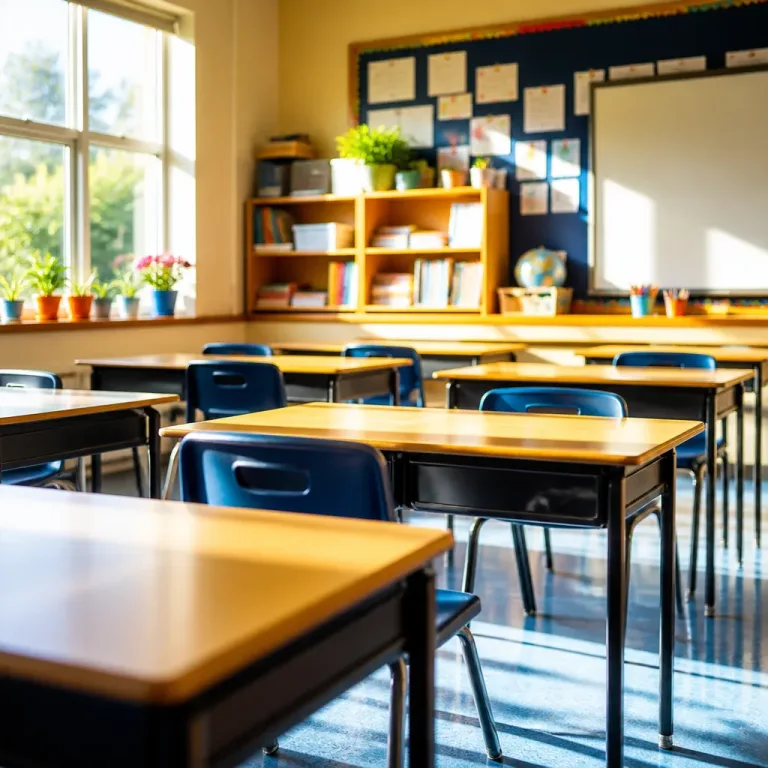
"Some of the double-track schools it's just furniture... I hear about a hundred schools."
He argued that a more coordinated approach to supply—covering items from furniture to full builds—could bring a significant number of schools off double-track schedules before major works are completed system-wide.
Next steps and what to watch
The next formal step is parliamentary consideration of the STAR-J proposal. If approved, the ministry indicated it would move to rehabilitate and upgrade facilities across multiple tiers of schools and proceed with new builds in selected communities. No detailed schedule of works was issued at the briefing.
For pupils and families, the implication is that double-track timetables will remain in place for longer than previously anticipated in some schools, though the ministry signalled that targeted fixes—such as additional desks—could allow certain institutions to revert sooner. For school leaders, the plan points to a period of construction and refurbishment that may require staged implementation to minimise disruption.
Implications for teaching and learning
The government links the end of double-track directly to the availability of classrooms, dormitory spaces and laboratories. As projects under STAR-J come online, schools that secure extra capacity may transition earlier. Where upgrades involve full-scale rehabilitation or category elevation, changes could be more extensive but take longer to deliver.
The overall investment aims to match facilities to higher participation rates in upper-secondary and technical education. However, questions remain over the precise distribution of resources across the stated 210 beneficiaries, given the published items account for 200. Clarity on that discrepancy, and on project timelines by region and school type, will be important for parents planning for admissions over the next three academic years.