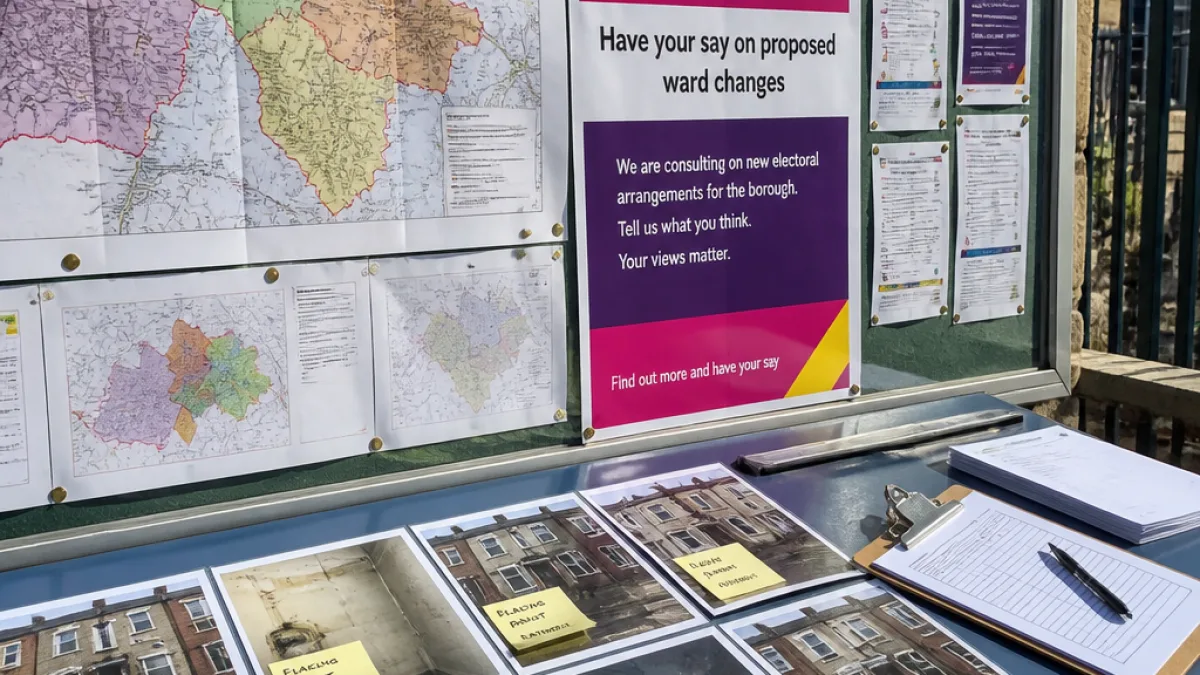
The Royal Borough of Greenwich has launched a consultation on a significant expansion of its selective licensing scheme that could see the measure widened from five wards to as many as 18, bringing about 70% of the borough under the licensing regime.
What the council says and why it is proposing the change
Council figures show inspectors have visited licensed properties since 2025 and that enforcement activity has led to the remediation of multiple hazards. According to the council, 622 licensed properties have been inspected and officers say they have worked with landlords to address 2,103 hazards, including problems such as damp, mould and fire-safety shortcomings.
"We believe residents who rent privately should live in safe, well-managed and high-quality homes," said Councillor Joshua Ayodele, cabinet member for community safety and integrated enforcement.
The council frames the proposed expansion as a public-protection measure intended to raise standards where evidence suggests a proportion of privately rented properties are inadequately maintained or poorly managed. It adds that the majority of landlords provide acceptable accommodation, but that additional oversight is required in particular areas.
Context from neighbouring councils
The Greenwich consultation comes amid a wider pattern of local authorities reviewing licensing and minimum standards for rented homes. Ealing Council is consulting on renewing an additional licensing scheme that covers smaller houses in multiple occupation (HMOs) occupied by three or four people. Hertsmere has published proposals to introduce new HMO amenity standards, and Slough recently moved to license some 17,000 properties.
Inspectors in Ealing reported identifying 4,890 housing hazards during visits to more than 900 HMOs over the past two years, and said around two-thirds of those properties had hazards that required attention. Ealing has also linked 3,649 antisocial behaviour incidents to known HMO properties between April 2021 and April 2026, citing examples where living arrangements raised safety and welfare concerns.
Practical implications for landlords and tenants
If Greenwich proceeds with the extension, a much larger cohort of private landlords would need to apply for licences and comply with conditions tied to property management and safety. Tenants in newly designated areas could expect more frequent inspections and a mechanism for the council to require remedial work where hazards are found.
- Current selective licensing: 5 wards
- Proposed coverage: up to 18 wards (~70% of the borough)
- Inspections since 2025: 622 licensed properties
- Hazards resolved: 2,103
| Area | Inspections / Properties | Hazards identified / resolved |
|---|---|---|
| Greenwich | 622 inspected (licensed properties) | 2,103 hazards resolved |
| Ealing | 900+ HMOs inspected | 4,890 hazards identified; two‑thirds required attention |
The consultation process will determine the final footprint of any expanded scheme and the specific licence conditions. Landlords considering the impact should look out for the council’s consultation documents, which will set out proposed wards, fees and compliance expectations. Tenants can use the consultation period to submit views or raise concerns about housing conditions in their area.
As more councils across the capital and beyond consider similar measures, the debate over licensing balances regulatory oversight of the private-rented sector against the administrative burden and potential costs for landlords. Greenwich’s consultation will be watched closely by landlords, tenants and housing campaigners alike.