The integrated nature of the Commonwealth Games is prompting a cultural shift in parts of Africa, with leading para-athletes saying the competition is breaking down stigma and demanding parity with non-disabled sport.
Games on the same stage
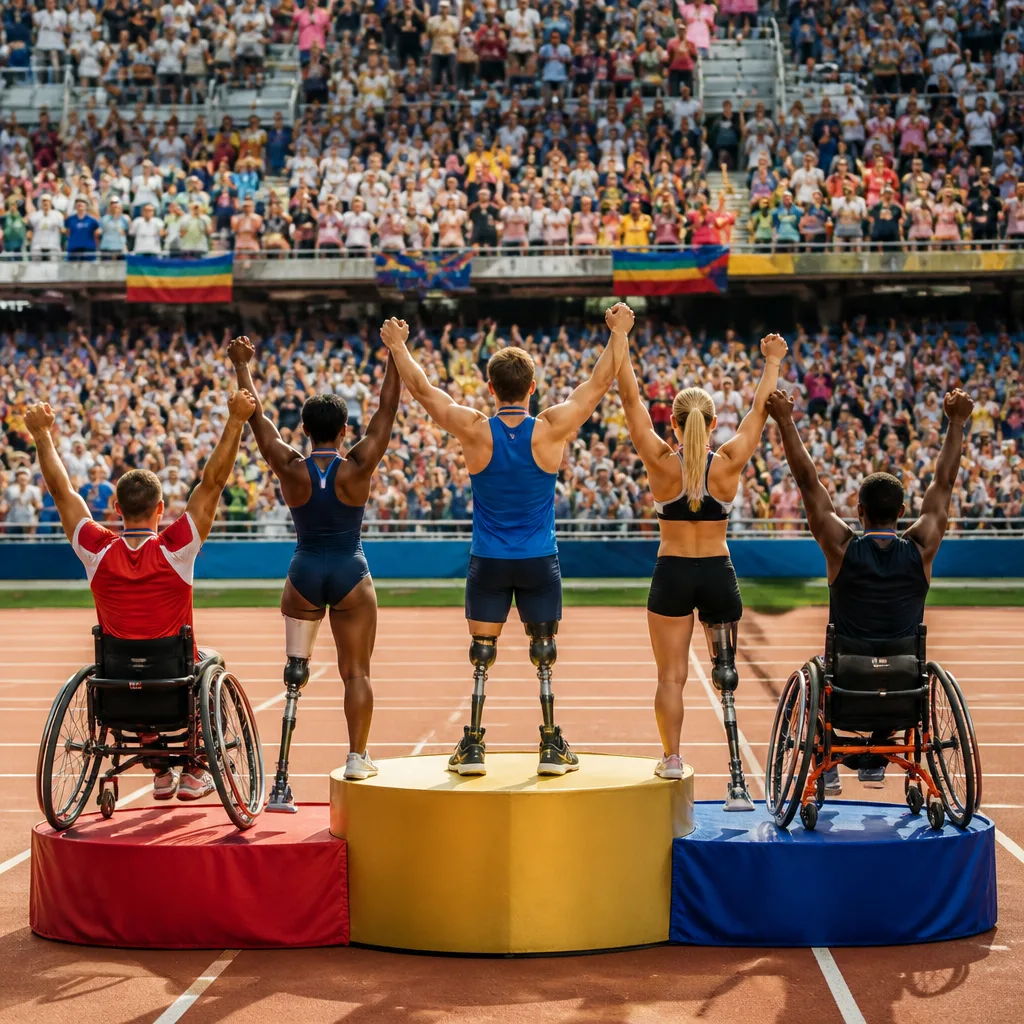
Unlike the Paralympics, where events are staged separately, the Commonwealth Games have run para-sport alongside able-bodied competition since Manchester 2002, when the tournament became the first fully inclusive international multi-sport Games. The arrangement means medals won by para-athletes count equally towards a nation's overall tally — a detail athletes say matters for recognition and investment.
Glasgow stood in as a replacement host after the Australian state of Victoria withdrew in July 2023 because of funding problems, leading to a trimmed programme. Even so, organisers retained a significant para-sport presence: a record 47 para events will be contested across six of the 10 sports remaining on the schedule.
Voices from the athletes
"Sport really is a huge pusher for change,"
The comment came from Ugandan swimmer and team captain Husnah Kukundakwe, who underlined how visibility on the big stage can translate into more support at home. Kukundakwe has already been a prominent figure on the international circuit — she was the youngest competitor at the 2020 Tokyo Paralympics at 14, swam at the 2022 Birmingham Commonwealth Games and carried her nation's flag at the 2024 Paris Paralympics. She and others say those milestones altered public perceptions and helped open doors for funding and sponsorship.
Mauritian wheelchair racer Noemie Alphonse echoed the message, saying competing alongside able-bodied athletes shows what para-athletes can achieve and brings encouraging responses from viewers: "We are seen as on the same level... people follow us on TV, sending good comments, good messages and encouraging us."
Implications beyond medals
Athletes and campaigners point to several practical effects of integration:
- Greater media exposure for para-sports during prime competition slots.
- Stronger case for national funding and sponsorship because medals contribute to overall tallies.
- A rise in role models visible to young people with disabilities, prompting participation.
For countries where disability stigma remains entrenched, that visibility matters. Kukundakwe described how returning home after Tokyo changed the conversation in Uganda and led to increased support for para-sport. That shift — from marginalisation to recognition — is precisely what athletes say the Commonwealth model accelerates.
| Year / Host | Inclusion milestone |
|---|---|
| 2002 / Manchester | First fully inclusive Games with para events in same sessions |
| 2026 / Glasgow (replacement) | 47 para events across 6 sports despite a reduced overall programme |
With Glasgow stepping into the breach and a strong para-sport line-up retained, athletes hope the momentum will continue: more funding, more profile and, crucially, a change in how societies value the achievements of people with disabilities. For many competitors from Africa, the Games have become not just a sporting arena but a platform for social change.