Laurence Turner, the Member of Parliament for Birmingham Northfield, has called for a step change in national investment to support the city’s expanding life sciences and advanced manufacturing sectors, which he says are already producing new jobs and economic activity across the city.
Local projects creating skilled jobs
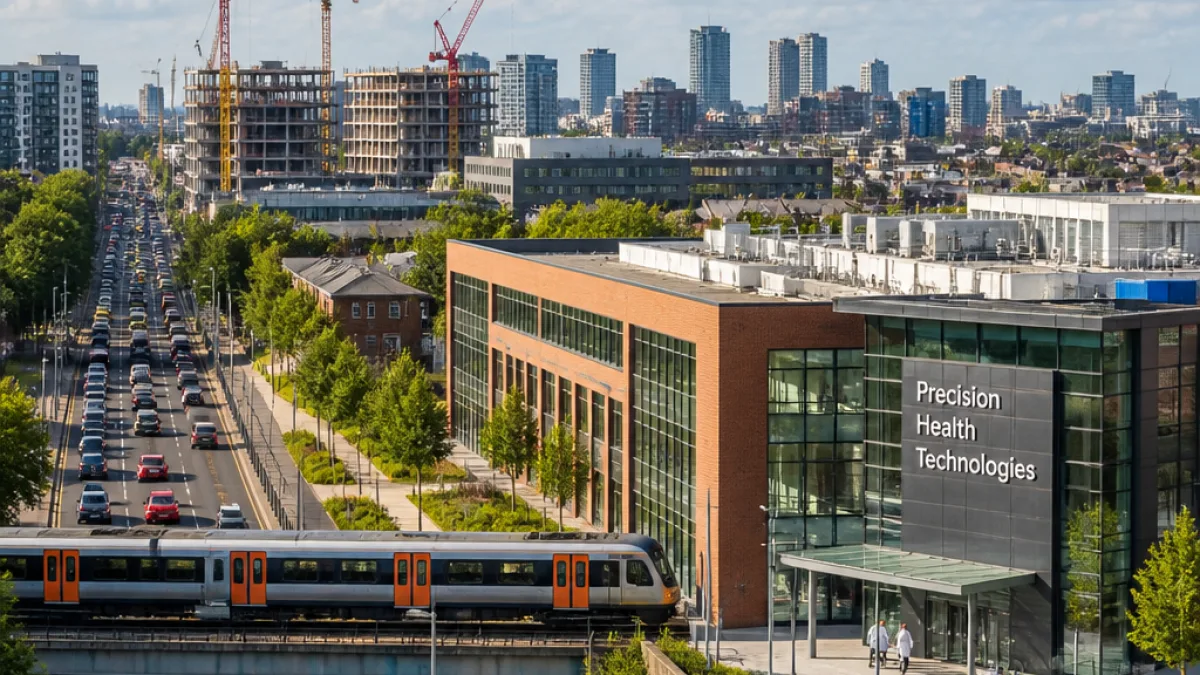
Turner points to the redevelopment of the old Pebble Mill site in Selly Oak, where the University of Birmingham has established a Precision Health Technologies Accelerator, as an example of how the city is converting research excellence into jobs and business opportunities. He notes the accelerator’s links by road and rail — including the A38 and the Cross City Line — to new manufacturing sites and housing as evidence of practical economic transformation.
"The UK has a life sciences problem,"
He argues the problem is not the quality of research or the calibre of local talent, but a long-standing tendency for investment to concentrate in the so-called ‘golden triangle’ of London, Oxford and Cambridge. Turner says Birmingham’s combination of expertise, relatively affordable research space and a diverse population gives the city a unique proposition.
Impact on former industrial areas
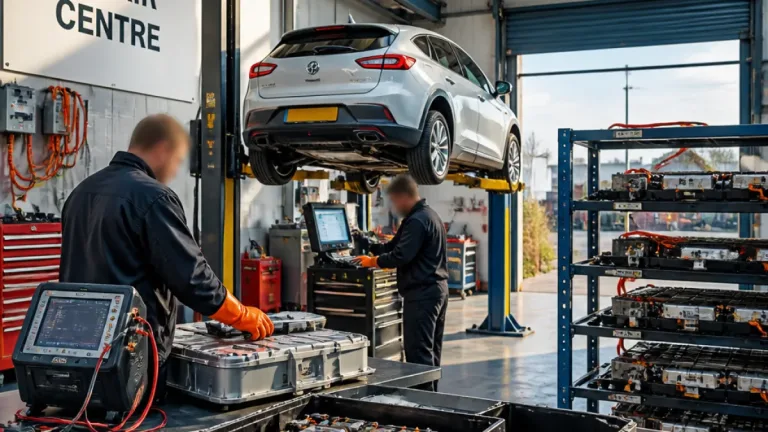
In his constituency, Turner highlights Longbridge where, he says, life sciences is beginning to bring manufacturing employment back two decades after the closure of MG Rover. He also points to the wider Health and Life Sciences District — covering roughly a square mile — which he describes as one of the UK’s largest integrated health and life sciences campuses and which turns over nearly £5 billion annually.
- Precision Health Technologies Accelerator — Pebble Mill, Selly Oak
- Transport links referenced — A38 and Cross City Line
- Health and Life Sciences District — turnover nearly £5 billion
| Site | Role / Note |
|---|---|
| Pebble Mill (Selly Oak) | University of Birmingham Precision Health Technologies Accelerator |
| Health and Life Sciences District | Approx. one square mile; nearly £5bn turnover |
Turner’s intervention adds to an ongoing local debate about how to ensure that the benefits of research and high-tech manufacturing are felt across Birmingham, not concentrated in a few pockets. For local residents and businesses, the question now is whether central government and investors will follow with the funding needed to convert these early successes into sustained growth and wider employment opportunities.
As the city continues to market its strengths, the argument from Birmingham’s north and south constituencies is clear: the infrastructure, skills and research base are present — what is required is investment aligned to local potential.