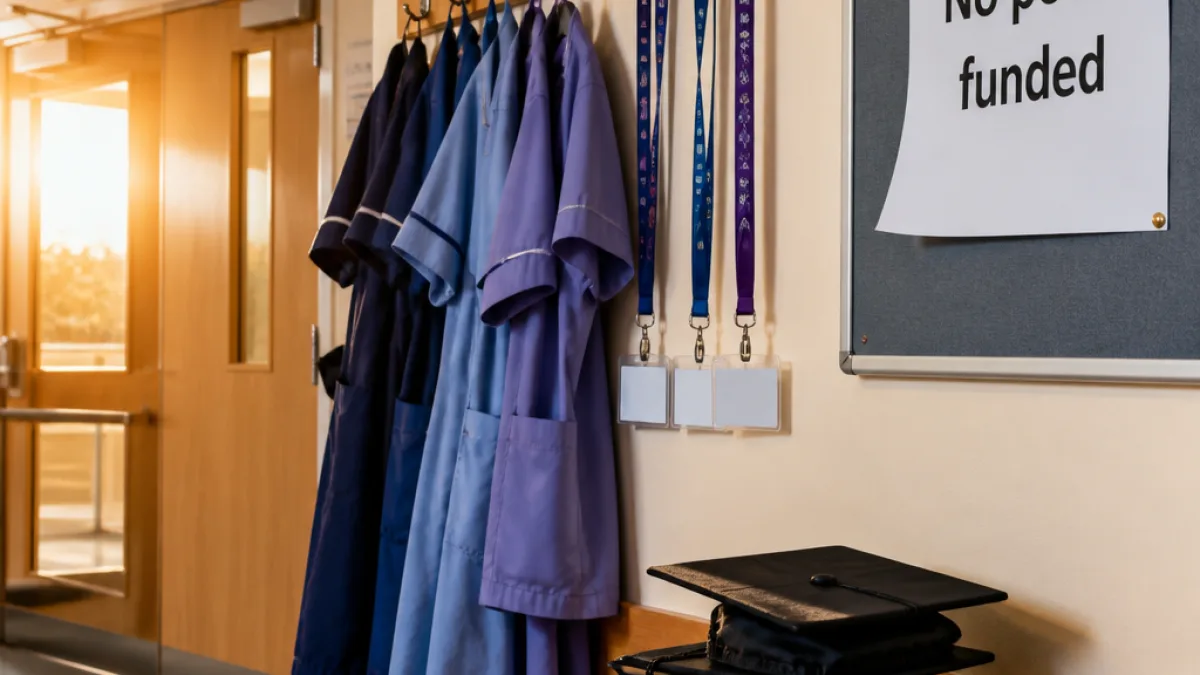
Dozens of student midwives completing their training later this summer have been told there are insufficient NHS posts for them to start work, leaving some facing unemployment or low-paid, insecure alternatives.
Graduates told posts are not available
Students who began midwifery courses in 2023—after preparatory access study for some—say they expected to move straight into roles in Welsh hospitals. Instead, they have been informed that money to fund their jobs is not available and that vacancies they were told would exist have gone. Several trainees from Rhondda Cynon Taf are among those affected.
"I've always wanted to be a midwife... I just could not imagine myself doing anything else," said one student who has been left unsure of her future after years of study.
Students report considering work at McDonald's, taking zero-hour contracts, or having no job at all despite completing their courses and carrying debt from study. The development has prompted concern about the impact on both newly qualified clinicians and the safety and continuity of maternity services.
Political response and wider context
The shortfall has been raised in the Senedd. The First Minister acknowledged there was "no quick fix" while stressing the Welsh Government was taking the situation seriously. The health minister warned the issue originated with cohorts who began training in 2022 when modelling suggested vacancies would be available; retention has since improved, reducing expected openings.
Local midwifery students fear this mismatch between training numbers and funded posts could reduce morale and harm recruitment into the profession at a time when maternity services are already under pressure.
- Immediate impact: Newly qualified staff left without NHS posts.
- Alternatives being considered: Retail work, zero-hours roles or unemployment.
- Political attention: Raised in the Senedd; government says it is acting.
| Detail | Reported |
|---|---|
| Course start dates cited | 2022–2023 cohorts |
| Local area affected | Rhondda Cynon Taf |
For students and families here, the issue is immediate and practical: those who trained to care for new mothers and babies face uncertain employment prospects. Health boards, the Welsh Government and universities will now be under pressure to set out how they will ensure newly qualified midwives are absorbed into the workforce or otherwise supported.