Green Flag recognition puts Welsh parks in the spotlight
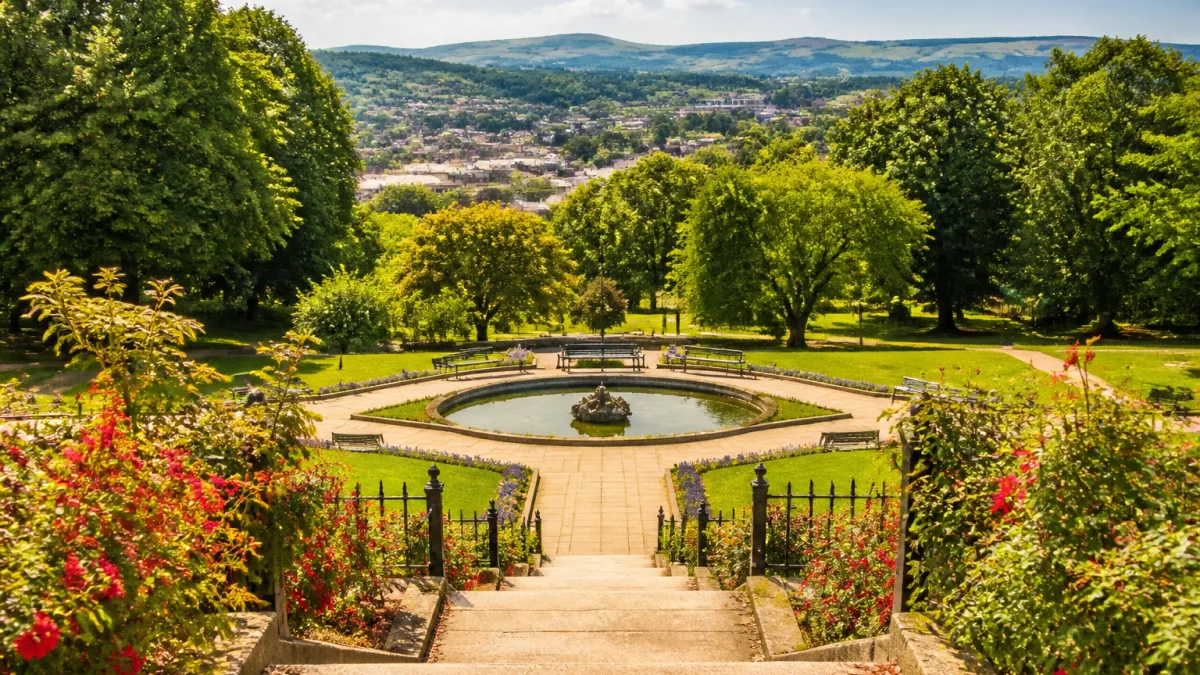
A country park in Pembrokeshire has been awarded a coveted Green Flag, the UK benchmark for well-managed parks and green spaces — and the announcement comes with a nod to councils like Rhondda Cynon Taf, named among the Welsh authorities with higher totals of recognised sites.
Judges for the national scheme assess places on cleanliness, conservation, biodiversity, safety and the all-round welcome they offer to visitors and volunteers. The award is widely regarded as a marker of consistent standards, with sites expected to maintain those levels year-round.
Pembrokeshire’s haul and where RCT fits in
Pembrokeshire’s tally this year stands at 14 Green Flag-recognised locations — one full Green Flag at Scolton Manor Country Park and a further 13 Green Flag Community Awards acknowledging smaller, often volunteer-led projects. Organisers noted that authorities with higher totals are typically larger urban councils, explicitly including Cardiff, Swansea, Caerphilly and Rhondda Cynon Taf.
| Area | Recognised Green Flag sites |
|---|---|
| Pembrokeshire (total) | 14 |
| Rhondda Cynon Taf | Higher than Pembrokeshire (number not specified) |
While the precise breakdown for RCT was not given in the announcement, its inclusion among the higher-performing authorities signals the breadth of quality-assured green spaces across our towns and valleys — from large destination parks to smaller community-led plots where wildlife, heritage and public access meet.
Why it matters for local residents
For families, walkers and volunteers in RCT, Green Flag recognition is a practical cue: it points to places where paths are cared for, facilities are maintained, and biodiversity and safety are built into day-to-day management. The scheme also values inclusive design — spaces that feel welcoming, with clear signage and opportunities to get involved.
The Pembrokeshire list underlines the variety the Green Flag scheme recognises, ranging from sensory and memorial gardens to food-growing plots and heritage-rich sites. That breadth mirrors the way many South Wales communities make the most of every patch of green — whether it’s an allotment on the edge of a housing estate, a churchyard with wildflower margins, or a pocket park on a village corner.
What the judges look for
- Quality of management: regular maintenance, clear plans, and visible care for facilities.
- Nature and landscape: support for wildlife, planting, and habitat connections.
- Clean, safe and welcoming: litter-free spaces, good lighting and accessibility.
- Community involvement: opportunities for volunteers and local groups to shape the space.
Community awards highlight grass-roots effort
Alongside headline parks, the Community Award strand spotlights the quieter work happening in places like allotments, village greens and restored churchyards. In Pembrokeshire this included edible gardens, sensory spaces and projects that balance biodiversity with remembrance. The message for us locally is similar: small, well-tended plots can transform day-to-day access to nature and give residents near-home spaces to meet, grow and learn.
Planning your next visit
For those travelling across Wales this summer, the Green Flag can be a handy way to choose stops that are likely to be tidy, signposted and welcoming. Closer to home, RCT’s appearance among councils with higher totals is a reminder that many of our own parks and community greens meet the UK standard. If you’re looking to support local spaces, consider joining a friends group, watching for volunteer days, or simply feeding back constructive comments to park managers — all of which help these sites retain their Green Flag status year after year.
As ever, if you’re heading out: check site notices, stick to paths during sensitive wildlife seasons, and take litter home. Awards or not, the everyday care shown by visitors, staff and volunteers is what keeps our green places thriving.