The Universal Basic Education Commission (UBEC) has published a set of national instruments intended to strengthen inclusive basic education and reduce barriers faced by children with disabilities across Nigeria.
What UBEC has released
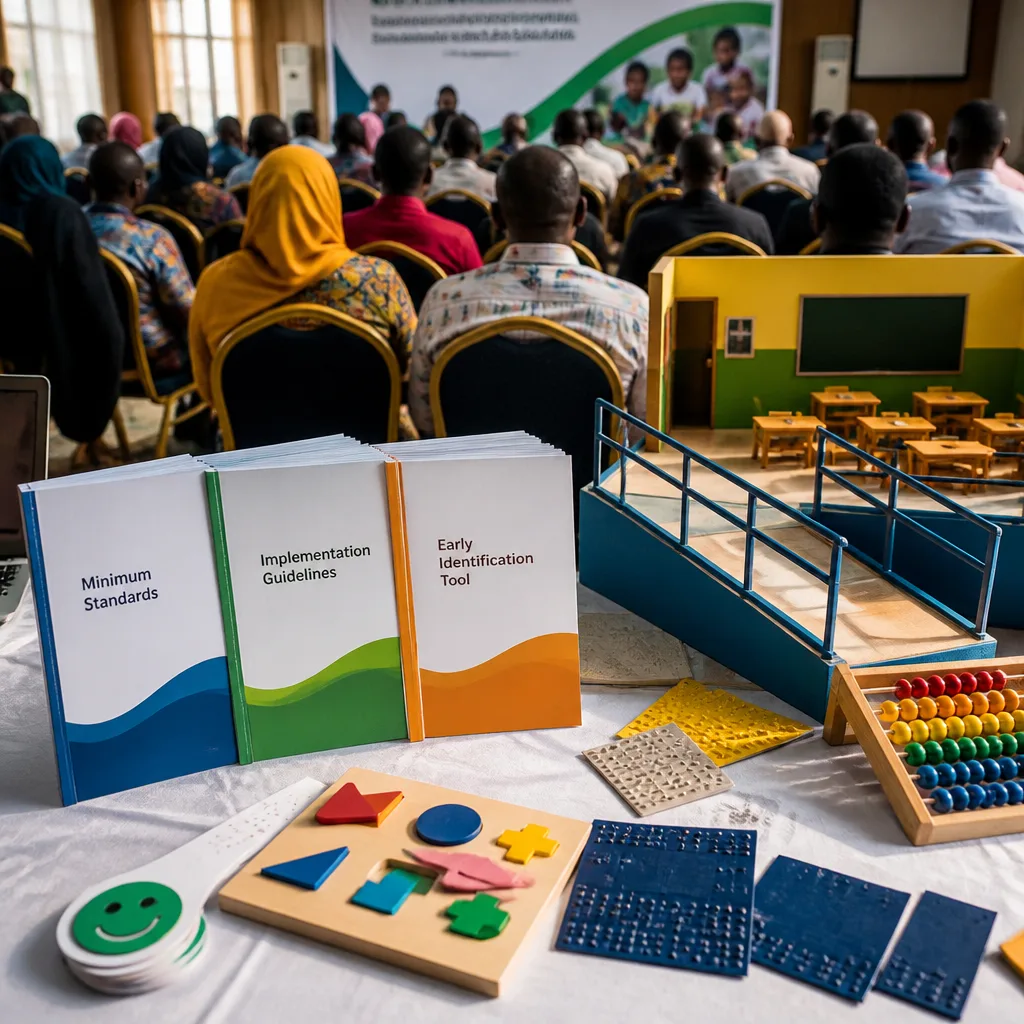
At a national stakeholders’ engagement in Abuja, UBEC introduced three core products designed to improve enrolment, participation and learning outcomes for learners with special needs:
- National special and inclusive basic education minimum standards
- Implementation guidelines for those standards
- A functional difficulty early identification tool to help spot learning needs earlier
UBEC Executive Secretary Dr Aisha Garba, represented at the event by the Commission’s Deputy Executive Secretary (Technical), Razak Akinyemi, said the package represents a significant step towards ensuring every Nigerian child can access quality and inclusive basic education.
Why the instruments are needed
UBEC highlighted persistent gaps despite overall growth in school enrolment over the past decade. Citing international evidence from UNESCO and UNICEF, the Commission noted that children with disabilities are substantially less likely to complete basic education. UBEC identified three main obstacles:
- Insufficient early identification of learning difficulties
- Inaccessible learning environments in many schools
- Limited preparedness among teachers to support diverse learners
Context and linked initiatives
The announcement was made alongside activities run by civil society groups supporting children with specific needs. During the eighth cohort of the Empowered Mothers, Thriving Children programme — organised by the Let Cerebral Palsy Kids Learn Foundation with the Special Needs Initiative for Growth — mothers of children with cerebral palsy were encouraged to consider entrepreneurship as a route to financial independence. The event also introduced children to hands-on robotics activities intended to broaden access to STEM learning opportunities.
| Instrument | Primary purpose |
|---|---|
| Minimum standards | Set national expectations for inclusive provision in basic education |
| Implementation guidelines | Provide practical steps for schools and local authorities to follow |
| Early identification tool | Support timely detection of functional difficulties to target interventions |
Potential consequences for schools and families
If adopted and rolled out effectively, the new instruments could change how schools identify and support learners with disabilities, influencing admissions, classroom adaptations and teacher training. Earlier identification of needs should allow targeted support that helps children remain in school and improve outcomes. However, UBEC’s own framing points to systemic challenges that will need addressing: accessible infrastructure, teacher capacity and resources at school level are all required to translate standards into everyday change.
UBEC’s measures align with international evidence stressing that policy alone is not enough: operational guidance, capacity-building and community support are needed to make inclusion a reality. The inclusion of civil society activity — such as the Empowered Mothers programme and the robotics sessions — demonstrates complementary approaches that combine family support, vocational pathways and practical learning opportunities.
For parents and school leaders, the immediate implication is to engage with UBEC and local education authorities as they begin dissemination and training. Schools should review the new guidelines when published, consider how early identification can be integrated into current practice, and identify teacher training or environmental adjustments needed to meet the minimum standards.