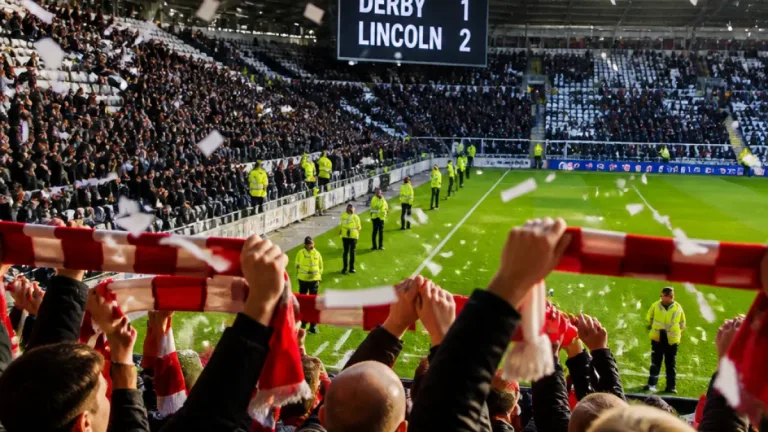
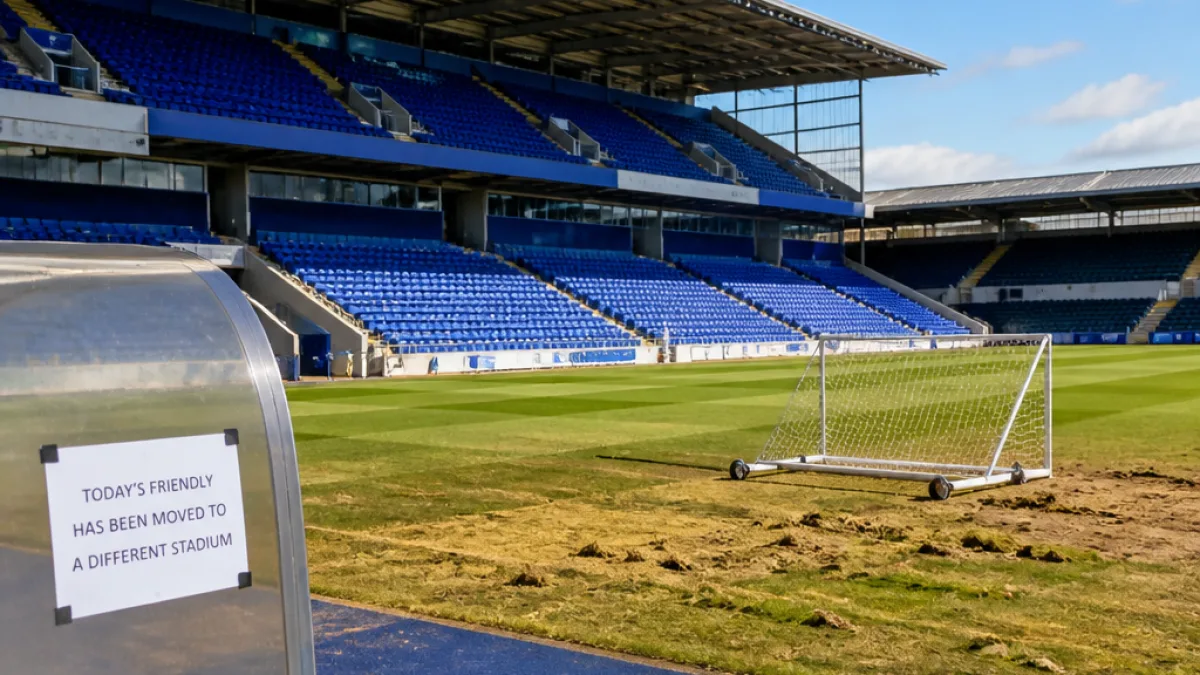
Reading Football Club have enjoyed a pleasing result in their final warm-up match, but the victory does little to hide a series of problems that threaten the club's start to the competitive season. A newly laid stadium pitch has been hit hard by this summer's dry weather, forcing the club to move the scheduled home friendly against Charlton Athletic to The Valley. The Royals recorded a 3-0 win at the relocated venue, yet the upheaval underlines practical issues off the field that must be addressed.
Squad turnover and injuries leave gaps
Reading's defensive corps has been reduced significantly this summer. The departures of Derrick Williams, Andy Yiadom, Ryan Nyambe, Finlay Burns and Michael Stickland — who collectively provided around a century of starts in defence last season — have not been matched by immediate, fit replacements. The intended reinforcement, Udoka Godwin-Malife, is currently sidelined through injury.
At the other end of the pitch there are further concerns. The club has sold one of its more creative forwards, Kelvin Ehibhatiomhan, while key options up front are unavailable: Jack Marriott remains injured and promising youngster Sean Patton will be out for several weeks. Managerial plans to entrust the primary striking role to Jacob Brown will test the side, given he scored only one goal in 22 appearances between Luton and Portsmouth last season.
- Pitch: Newly laid grass has suffered in the drought, forcing a change of venue for the Charlton friendly.
- Defence: Five experienced defenders have left; the main signing is injured.
- Attack: Sale of a creative player and current injuries have reduced striking options.
What this means for Reading supporters
The cumulative effect is a squad lacking depth and experience in key areas. Pre-season wins are welcome, but they cannot substitute for reinforcements if the club is to avoid a repeat of last season's difficult finish. The manager faces pressure to bring in players quickly to provide competition and cover across the backline and in attack.
"Money needs to be spent on attackers, defenders, fertiliser and water."
The remark — part wry observation, part urgency — captures both the sporting and practical dimensions of the challenge. The club must consider imminent recruitment while also addressing infrastructure vulnerabilities exposed by the summer weather.
Where the priorities lie
Reading must balance short-term fixes with longer-term planning. In the immediate term, the priorities are clear:
| Priority | Why it matters |
|---|---|
| Sign defensive cover | Multiple departures have weakened experience and depth at the back. |
| Recruit attackers | Sale of a creative forward and injuries leave scoring options limited. |
| Pitch maintenance | Playing surface problems disrupted preparations and match planning. |
For supporters in Reading, the coming weeks are likely to feel decisive. The pre-season run — including the travelling friendly at The Valley which ended in a 3-0 success — shows promise on the pitch, but the club's ability to strengthen in the transfer window and to manage ongoing injury issues will determine whether optimism can be sustained into the competitive campaign.
Locally, attention will turn to the board and recruitment team: how quickly they can bring in reinforcements, and whether they can also ensure the playing surface at the stadium is ready for the season. Until those questions are answered, the early fixtures could expose the thinness the club currently faces.