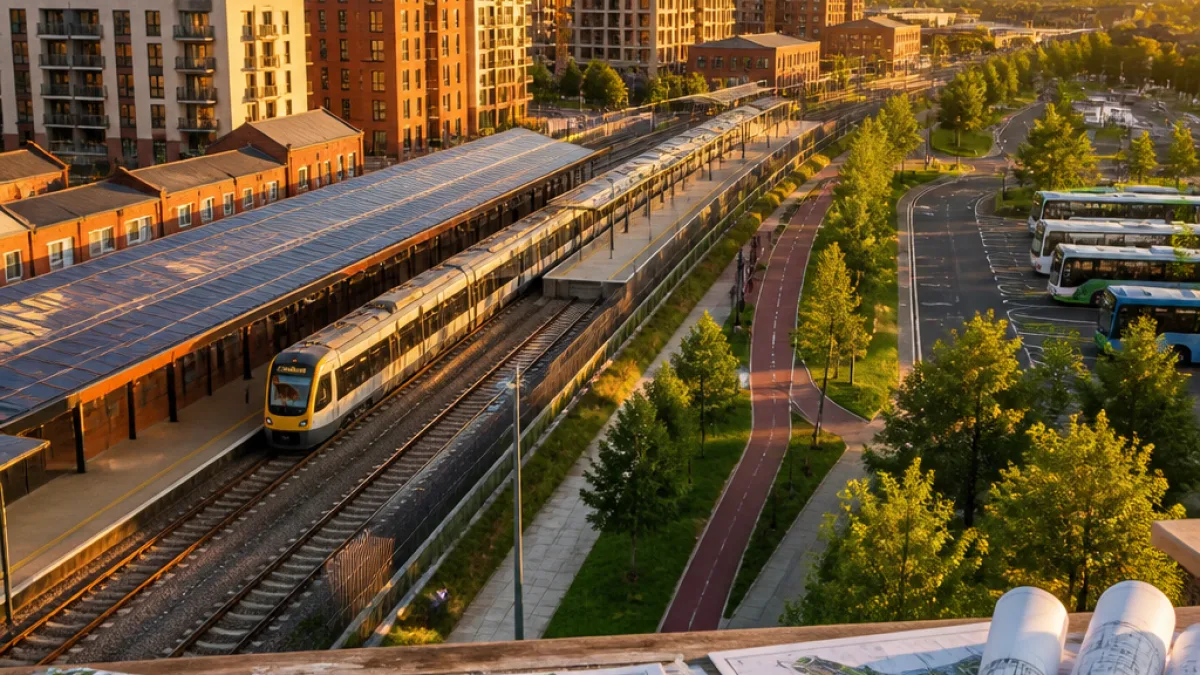
Councillors have pushed the borough’s new Local Plan into its next stage after an extensive consultation, advancing a package of measures that would steer growth in Rochdale to 2039. The strategy places rail corridors and stations at the heart of plans for housing, jobs and public realm improvements.
Transport-led growth around stations
At the centre of the document is the Rochdale Rail Corridor Strategy, which envisages the land around key stations being reconfigured as mixed-use hubs for living, working and leisure. Stations named in the plan include Rochdale, Castleton, Mills Hill, Smithy Bridge, Littleborough and a proposed new Slattocks stop.
Proposals in the Plan include:
- Extending the East Lancashire Railway into Heywood as part of a wider rail-led approach
- An ambition to link Rochdale and Bury — and potentially other towns — using new tram-train technology
- Improved walking and cycling routes, park-and-ride facilities and new public spaces around stations
"The borough’s stations will become the centre for dramatic changes,"
Local authorities say these measures aim to make areas around rail hubs more attractive for residents and businesses, and to encourage trips by sustainable transport rather than the car.
Housing and economic ambitions
The Plan sets out land allocations to support the delivery of just under 11,000 new homes across the borough by 2039. It also aligns with the wider regional ambitions such as the Atom Valley programme, which has already signalled large-scale investment nearby.
Atom Valley’s proposals — referenced in council discussions — aim to deliver thousands of homes and tens of thousands of jobs in the wider area. Elements already underway include construction at the Sustainable Materials and Manufacturing Centre (SMMC) in Kingsway, which council papers say is an early sign of the wider investment pipeline.
| Area of focus | Key ambition |
|---|---|
| Housing | ~11,000 new homes by 2039 |
| Transport | Rail corridor-led hubs, tram-train ambition, ELR extension |
| Economy | Complement Atom Valley job and investment growth |
What this means for residents
If adopted, the Plan will influence where development is permitted, how town and neighbourhood centres evolve, and which transport projects are prioritised for funding and detailed design. Concentrating growth at stations is intended to support more walking, cycling and public transport trips, but will also require careful planning for local services, schools and community facilities to keep pace with new homes.
Councillors discussed the Plan at a town hall meeting on 28 July and have advanced it to the next formal stage before adoption. That means further technical work and, ultimately, statutory steps will follow before a final version is approved.
Residents and organisations with an interest in housing, transport or town-centre regeneration should expect further opportunities to view detailed proposals as the Local Plan progresses through formal adoption stages.