Ministers have proposed abolishing Rutland County Council, replacing it with a new, larger local authority that would stretch around Leicester as part of a wide-ranging reorganisation of councils across England.
What the government is proposing
The reform is being driven by a national target to create councils serving populations of roughly 500,000 people. Under the plan, a number of existing districts and authorities will be dissolved and merged into new unitary bodies. Rutland, with a population of about 41,000, falls well below that benchmark.
- Population of Rutland: c. 41,000
- Government target for council size: c. 500,000 residents
- Number of districts proposed to be abolished: 134
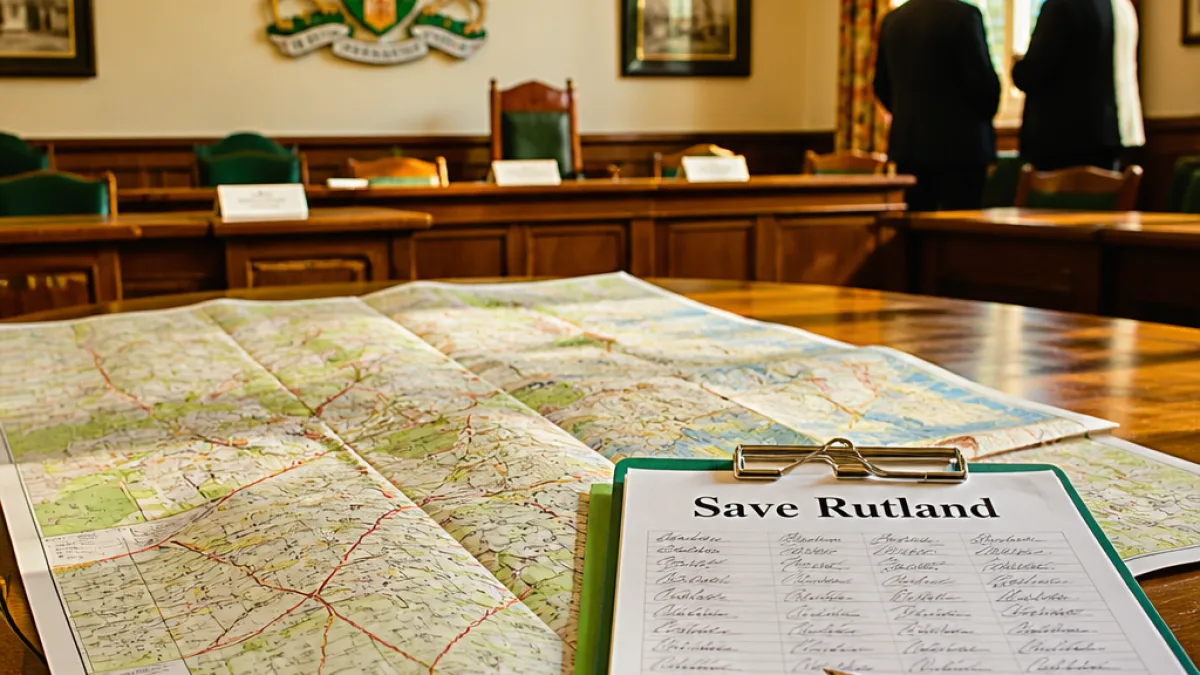
- Petitioners opposing change: over 7,000 signatures on a 'Save Rutland' petition
Local reaction and identity concerns
Campaigners and some local MPs have warned that the change would threaten Rutland's historic identity. Conservative MP Alicia Kearns has expressed opposition, saying residents did not choose to be merged into a larger authority and warning of the loss of ceremonial status.
"Unless the Government acts, Rutland will lose its ceremonial county status. The signs will come down and an identity that has endured for centuries will be erased at the stroke of a bureaucrat's pen."
More than 7,000 people have signed a petition calling for Rutland to be spared from the reorganisation, reflecting local concern about governance, representation and heritage.
Context and recent history
Rutland has a complex administrative past. The county was incorporated into Leicestershire in 1974, then later regained separate status as a unitary authority in 1995 following public campaigning. The current proposals form part of the government’s broader effort to “devolve power” from central government, a policy framed by Local Government Secretary Steve Reed as necessary to rebalance opportunity and wealth across the country.
| Year | Event |
|---|---|
| 1974 | Rutland became part of Leicestershire |
| 1995 | Rutland established as a unitary authority |
| 2026 | Government proposes abolition under national reorganisation |
What this could mean for residents
If implemented, the changes would shift responsibilities for local services—such as planning, education and social care—into the new, larger authority. Proponents argue larger councils can deliver economies of scale and more consistent services across metropolitan areas. Opponents counter that smaller counties risk reduced local influence, diluted identity and decisions made further from residents.
At this stage the proposals are part of a national programme of boundary and governance reviews affecting an estimated 15 million people across England. Details of the precise boundary changes affecting Rutland and the timetable for implementation have not yet been set out in full.
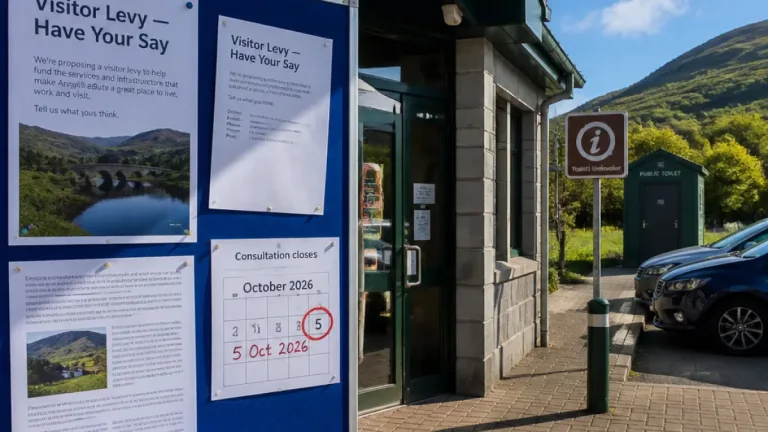
Residents who wish to make their views known should look out for formal consultations from the government or local authorities as plans progress. Petitions and representations from MPs indicate the local debate is already under way.