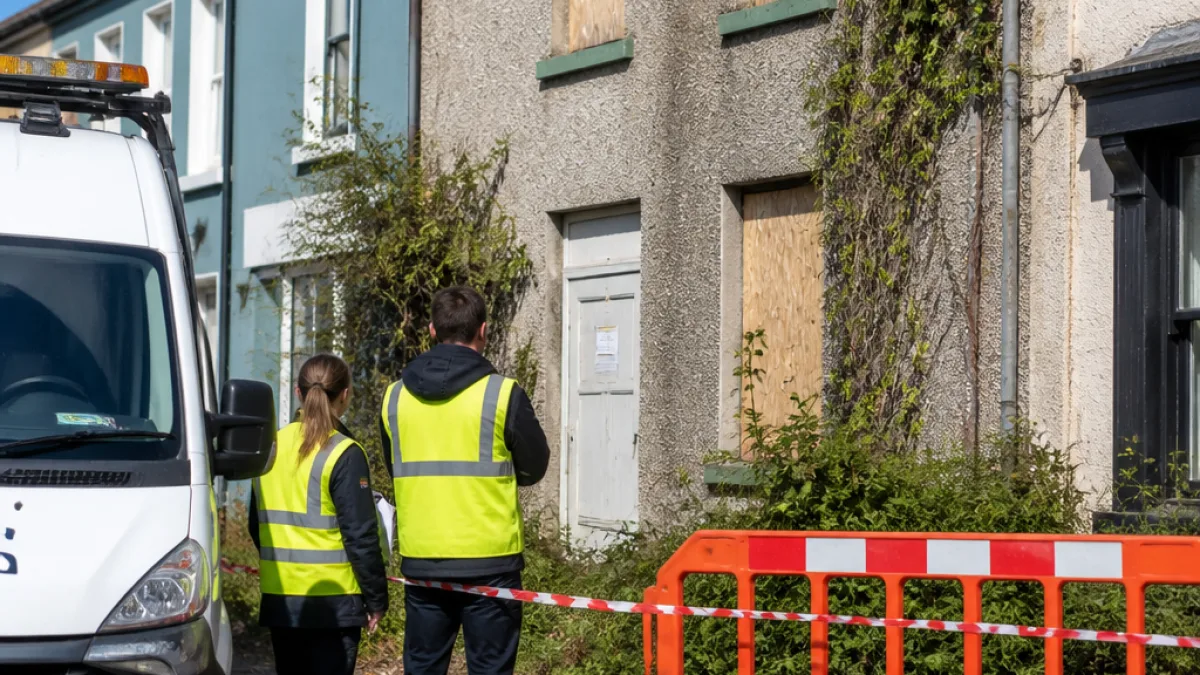
Westmorland and Furness Council has given itself a new power to force the sale of privately owned houses in order to recover debts arising from enforcement action on long‑term empty or problematic properties.
Policy aims and scope
At a cabinet meeting on 14 July the Liberal Democrat cabinet approved a policy intended to deal with a minority of properties judged to be causing harm to local communities. The measure is described by the council as an additional tool to address the “most problematic empty properties” where owners fail to engage and costs mount.
Councillor Judith Derbyshire, the cabinet member for housing and community safety, told members the power is not intended for wide use but rather for “small numbers” of persistent cases which pose risks to neighbours or the public realm.
“It has repeatedly been targeted by trespassers, antisocial behaviour, with local teenagers gaining entry to the building.”
Example case used to justify the change
To illustrate the type of case which might lead to enforced sale action, councillors were given an example from Ulverston. The property in question has reportedly been vacant for over 10 years and attracted repeated complaints from residents. According to the council, the empty house has been the site of trespass and antisocial behaviour and a collapsed boundary wall posed a hazard to a public footpath.
Because the owner did not remedy the problems, the council carried out the necessary works at a cost of more than £7,000. That sum was registered as a land charge against the property, but the council says the owner has not paid.
How the enforced sales policy will function
The policy provides a formal option to recover sums owed to the council where voluntary engagement with owners has failed. Councillors emphasised it will be used as a last resort and only when other enforcement avenues have been exhausted.
- Target: long‑term empty and problematic residential properties
- Use: limited to a small number of persistent, challenging cases
- Objective: recover public money spent on remedial works and reduce harm to communities
Local impact and practical implications
The change gives the council a statutory mechanism to convert unpaid enforcement costs into a route for sale, enabling recovery of public funds previously spent to protect the community. For neighbours and parish councils, the measure may offer reassurance that chronic problems caused by derelict properties will be addressed more robustly.
For private owners, the council’s statements make clear that the policy will be deployed only after repeated attempts to contact them and after other enforcement steps have been taken. The cabinet member described enforced sale as a final option where owners have refused to act and refusal has led to accrued debts and risks to the public.
| Aspect | Example / detail |
|---|---|
| Location cited | Ulverston |
| Vacancy period | Over 10 years |
| Council cost for works | More than £7,000 |
The cabinet’s decision will be watched by local residents and housing stakeholders to see how frequently the power is used and whether it achieves its stated goals of protecting public safety and recovering costs without causing unintended consequences in the local housing market.
Further details of the operational criteria, consultation history and decision‑making safeguards are expected to appear in the published policy documents which accompany the cabinet report.
This development forms part of the council’s wider enforcement and housing management responsibilities, balancing the need to protect communities with rights of private property owners.