Sandwell Council has approved a multi-year plan designed to respond to a growing number of children and young people requiring special educational needs and disabilities (SEND) support.
Rising demand for EHCPs
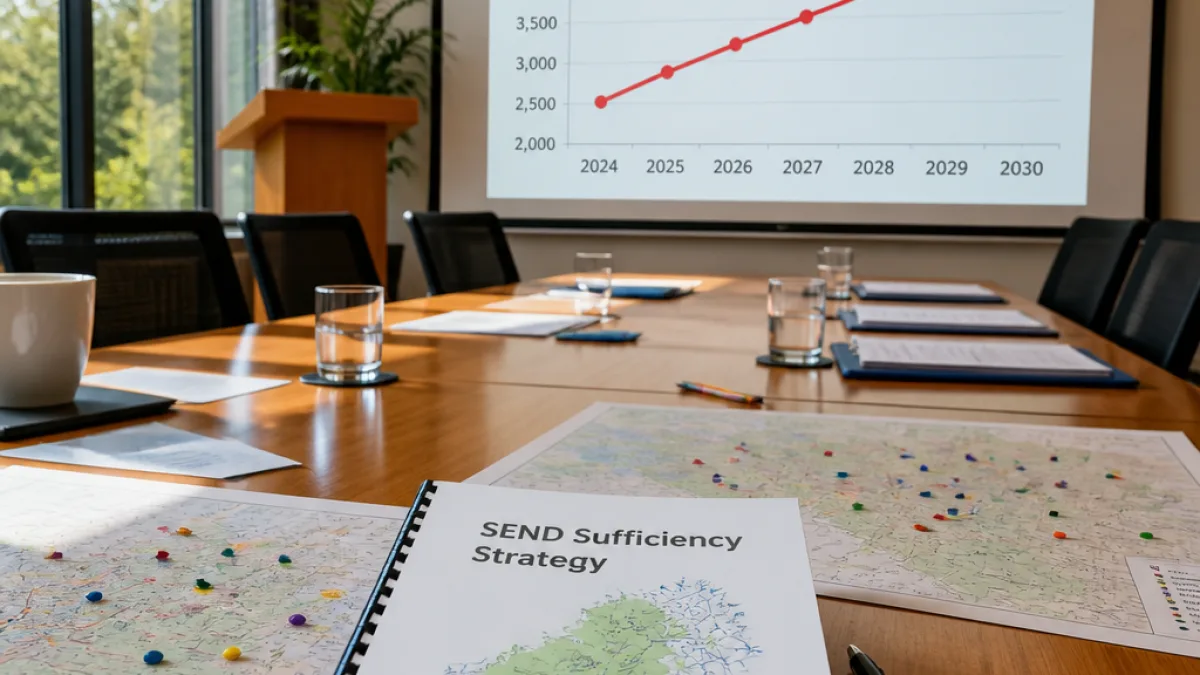
The council’s SEND Sufficiency Strategy, agreed by the cabinet, sets out how the local authority and partners intend to increase the capacity of specialist schools and improve support within mainstream settings.
At present there are 4,064 children and young people in Sandwell with an Education, Health and Care Plan (EHCP). Council forecasts show that number could rise to about 7,750 by 2029 and top 10,700 by 2031, placing substantial pressure on existing provision.
Current and projected specialist places
Sandwell currently has 1,013 special school places. The strategy estimates the borough will need roughly 1,163 specialist places by September 2027 and around 1,440 specialist placements overall by that date when including independent special school places.
| Measure | Current / Projected |
|---|---|
| Children and young people with EHCPs | 4,064 now; forecast 7,750 (2029); 10,700 (2031) |
| Special school places in Sandwell | 1,013 now; need ~1,163 by Sept 2027 |
| Total specialist placements (including independent) | ~1,440 by Sept 2027 |
Strategy priorities and partnership working
The document emphasises three main aims: expanding local specialist capacity to lessen the need for out-of-area placements, improving inclusion and targeted support in mainstream schools, and providing earlier help to families. The council says it will work with headteachers, multi-academy trusts, health services and families to deliver a "sustainable and inclusive" system.
"Every child deserves the opportunity to learn, achieve and thrive. This strategy will help us make sure we have the right number of places, the right services and the right support available for children and families."
The strategy also includes work to identify mainstream schools that could host additional SEND accommodation so greater numbers of children can be taught nearer their homes.
Local impact and next steps
If the projected increases occur, Sandwell will face growing demands on staffing, specialist facilities and allied health and care services. The council intends to progress the strategy over the coming five years through joint planning and by seeking to reduce reliance on costly placements outside the borough.
- Council cabinet has formally approved the SEND Sufficiency Strategy.
- Forecasts show EHCP numbers may more than double by 2029.
- Plans include expanding specialist places and enhancing mainstream inclusion.
The full report and supporting documents are published on Sandwell Council’s website for those seeking more detailed proposals and timelines.