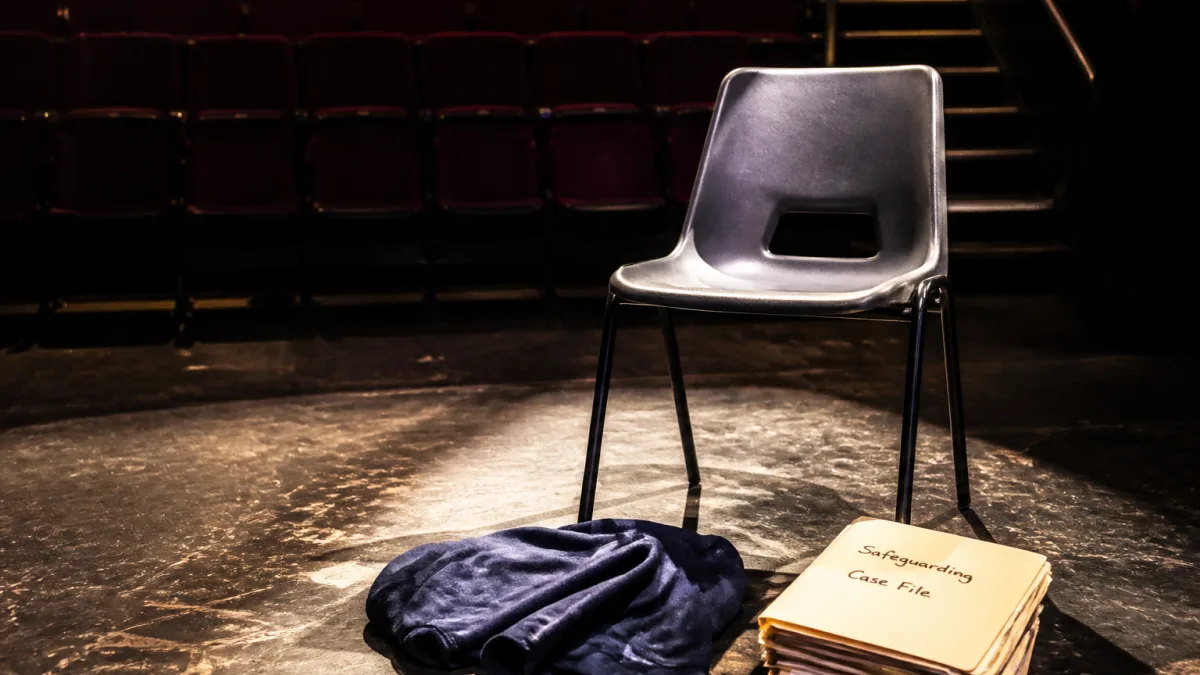
Southwark Playhouse to revive Firebird with sharp focus on safeguarding
A summer revival of Phil Davies’s Firebird at Southwark Playhouse will thrust the realities of child sexual exploitation back into the public conversation, with director Marlie Haco arguing that the country still shies away from confronting what survivors endure and how institutions respond. In a reflective piece about the production, Haco sets out why re-staging the play now feels urgent, pointing to recent cases and public debate that, she says, reveal how persistent attitudes continue to shape outcomes for girls.
Written more than a decade ago, Firebird examines grooming, manipulation and the systems that are supposed to step in when children are at risk. Haco suggests the play’s themes have not dimmed; if anything, they have grown more stark. She notes that stories of grooming networks have appeared in national headlines for years, yet long-term change for victims can remain out of reach.
“Since the 2010s, grooming gangs have remained a recurring feature of the British news cycle,” Haco writes, adding later: “Perhaps theatre can provoke a deeper engagement with what’s happening to girls across the UK.”
Haco references a recent sentencing decision involving two teenage boys convicted of rape, initially spared custody by a judge before the Court of Appeal overturned that call. For her, the episode underscores how entrenched attitudes towards women and girls can warp how abuse is recognised and addressed. Firebird, she argues, asks audiences to sit with that discomfort—listening to the perspective of those most affected rather than looking away.
Context from screen to stage
In preparing the revival, Haco revisited Three Girls, the BBC drama built from testimony and court records of survivors of abuse in Rochdale. She contrasts its reception with the Netflix title Adolescence—a fictional account of a boy drawn into online incel culture—which, she observes, prompted a broad political and media response, including a meeting between the Prime Minister and the show’s creators around online safety. For Haco, the comparison raises questions about why some stories galvanise attention and policy discussion while others—centred on girls—are too often sidelined.
| Title | Platform | Focus | Public response noted |
|---|---|---|---|
| Three Girls | BBC | Testimony-based drama on survivors of a grooming gang | Won industry awards; did not prompt widespread national action |
| Adolescence | Netflix | Fictional boy influenced by online incel culture | Dominated debate; PM met creators on online safety |
Firebird’s return in Southwark places those questions in a local auditorium, inviting residents to weigh what real protection for children looks like. The production arrives at a time when public services—from schools to social care and policing—are under pressure to improve how they identify risk and support those already harmed.
Why it matters here
Southwark has a strong tradition of using its stages to spark discussion about the community we live in. While Firebird is a piece of theatre, its subject is not abstract. The concerns it raises—how quickly agencies act, whether girls are believed, and how society talks about masculinity, coercion and consent—are live issues in every London borough. The production’s imagery released alongside Haco’s piece features Kelise Gordon-Harrison (Katie) and Mollie Milne (Tia), signalling a focus on girls’ voices and the human costs behind headlines.
Haco’s hope is that audiences leave not only moved but also readier to demand better from systems that fail too many. The stage can’t pass laws, but it can, she argues, press us to look again at what we accept as normal and what we’re willing to change.
What audiences can expect
- A revival of a play that tackles grooming and exploitation directly, centring the perspective of girls.
- Context that links the stage to real-world policy debates about online harm, safeguarding and institutional accountability.
- An invitation to Southwark audiences to reflect on how communities, services and government respond when children are at risk.
Firebird’s return at Southwark Playhouse is set to be more than an evening of drama; it is a call for deeper attention to the experiences of girls and the responsibilities of the adults and institutions around them. As Haco puts it, there is work to do, and theatre can be one place where that work begins.