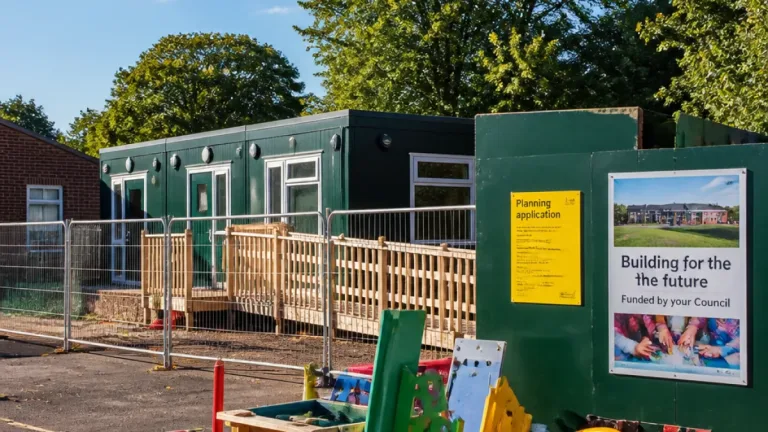
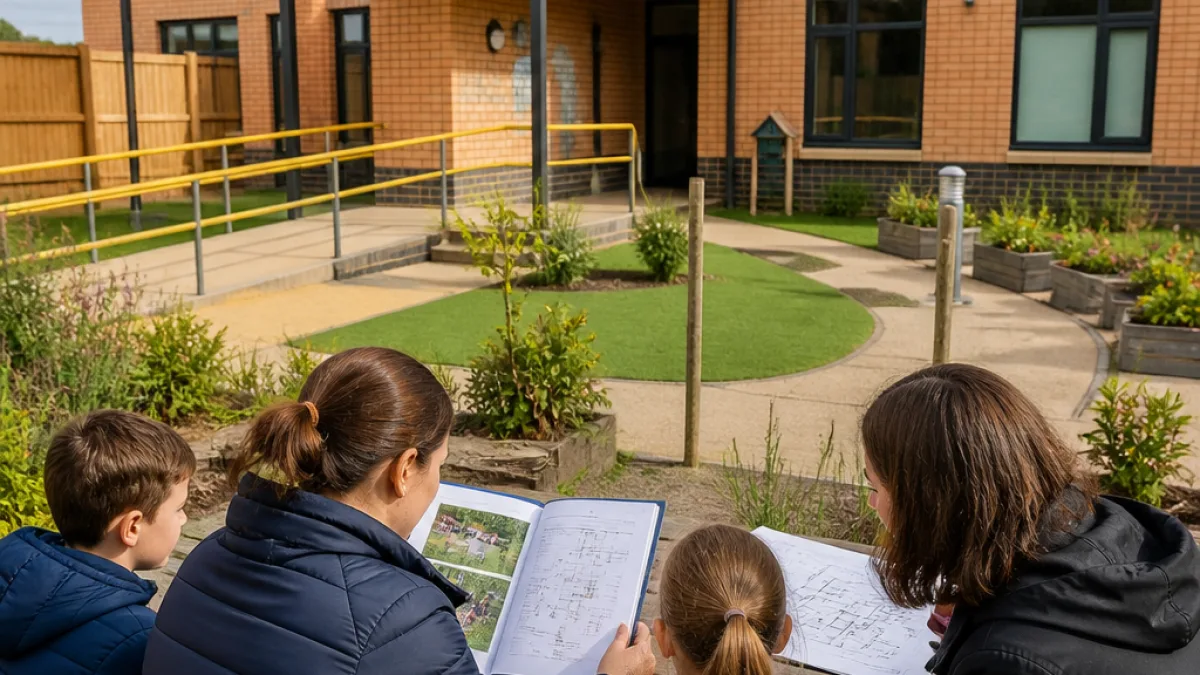
Stockton-on-Tees' efforts to expand specialist support for children with special educational needs and disabilities (SEND) are set to be reshaped in response to forthcoming national reforms. A council scrutiny report says the local SEND and additionally resourced provision (ARP) units, introduced in 2025, represent an important development but will have to "adapt" as White Paper measures are implemented.
Local expansion meets national change
Stockton Council created an extra 155 school places for pupils with SEND in recent years to meet rising demand. The Scrutiny Review of Additionally Resourced SEND Provision acknowledges that these units have been "a positive and necessary step in modernising SEND provision in Stockton" and are "enabling better outcomes for children".
However, the review also highlights that the government’s SEND White Paper proposes a shift away from ARPs and SEND units towards school-led inclusion hubs and an enhanced universal offer. The report warns this will mean Stockton’s current model may require further transformation to prioritise inclusion within mainstream settings.
Parents' concerns and local challenges
The scrutiny report records widespread concern among families. It notes that parents of children with SEND reported low confidence in mainstream secondary schools, describing them as "unsuitable or overwhelming". Around 90% of parents surveyed expressed doubts that their child’s needs could be met without added specialist support.
Families spoke of several recurring issues:
- limited choice of appropriate schooling;
- insufficient places despite recent expansion;
- practical barriers to access and perceived "one-size-fits-all" approaches;
- worries about the impact on children's wellbeing if needs are not met.
"These reforms will require the council to adapt its current model... which may require further transformation towards inclusion-focused approaches within mainstream schools."
What the council says about next steps
The review stresses priorities that will remain important during the transition: early intervention, boosting workforce capacity and co-production with families. The council must balance continuing specialist provision with the White Paper’s aim of strengthening mainstream support so children receive "the right support, in the right place, at the right time."
| Measure | Local figure / finding |
|---|---|
| New SEND places created | 155 |
| Predicted further rise in demand | 9% |
| Parents expressing concern about mainstream secondary schools | 90% |
Implementing national policy while responding to local parent feedback will present practical and financial challenges. The scrutiny report underlines the need for continued monitoring and engagement with families and schools as Stockton adapts its approach to meet both the rising need for specialist places and the government’s drive for greater inclusion.
Further council decisions will determine whether existing ARPs are remodelled, integrated into school-led inclusion hubs, or supplemented by other interventions to reassure families and maintain access to suitably specialised support.