Investment redirected to SEND and school condition
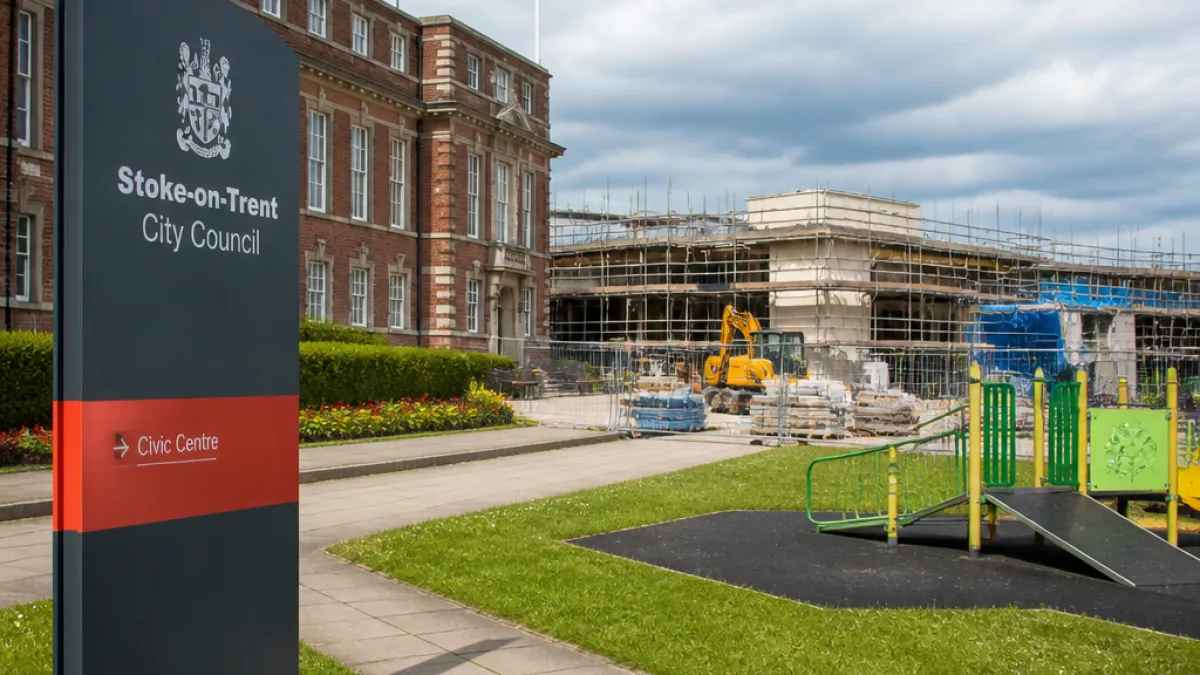
Stoke-on-Trent City Council has approved a £36 million schools capital programme for 2026/27 that shifts the authority's investment focus towards expanding provision for children with special educational needs and disabilities (SEND) and addressing condition issues across the school estate.
The capital programme comprises £16.45 million of new schemes alongside £19.56 million allocated to projects previously announced. Cabinet members say the planned work will increase the number of specialist places available within the city and enable more pupils to be taught nearer their homes.
What the money will cover
- Expansion of specialist provision in mainstream schools and dedicated SEND places.
- Condition and accessibility improvements to existing school buildings.
- Creation of new school places to meet anticipated demand.
The authority says the switch in emphasis follows a period in which capital spending prioritised expanding secondary capacity in response to a demographic bulge; council reports state that the year seven intake has now peaked. As a result, leaders have redirected resources towards specialist support and estate maintenance.
"This programme represents a significant investment in our city's future. It will expand SEND provision, improve accessibility, modernise schools facilities, and ensure more children can receive the support they need closer to home," Councillor Sarah Jane Colclough told the cabinet meeting.
Notable projects and funding
One of the principal projects highlighted in the cabinet report is a major expansion at The Willows Primary School in Penkhull, where work due to be completed this year includes bringing parts of the adjoining Mount building back into use at a cost of £3 million. The report describes this scheme as the single largest new allocation on the programme.
| Programme element | Amount |
|---|---|
| New schemes (2026/27) | £16.45m |
| Previously announced projects | £19.56m |
| Total | £36.01m |
| Single biggest new scheme (Willows/Mount) | £3m |
The council says the funding package will be drawn from a combination of government grants, council resources and section 106 contributions secured from housing developments. Cabinet reports stress that the priority is to increase specialist support within mainstream settings where possible, rather than relying solely on standalone special schools.
Local consequences and scrutiny
For parents and carers of pupils with additional needs, the programme aims to reduce the need for long journeys to access specialist support by creating more local options. In practical terms, that will mean building work, adaptations and new classroom provision across a number of schools.
From a civic-accountability perspective, several points will be in focus as schemes progress: the delivery timetable for each project, the precise locations and number of new SEND places created, and whether the money allocated to condition work sufficiently addresses pressing maintenance backlogs. Council reports note the strategic shift in priorities but do not provide a comprehensive phasing timetable for all schemes.
Council leaders present the programme as an investment in educational outcomes and inclusion. Stakeholders — including headteachers, governing bodies and parent-carer groups — will expect clear reporting on progress and transparent use of the funds as works begin across the city.