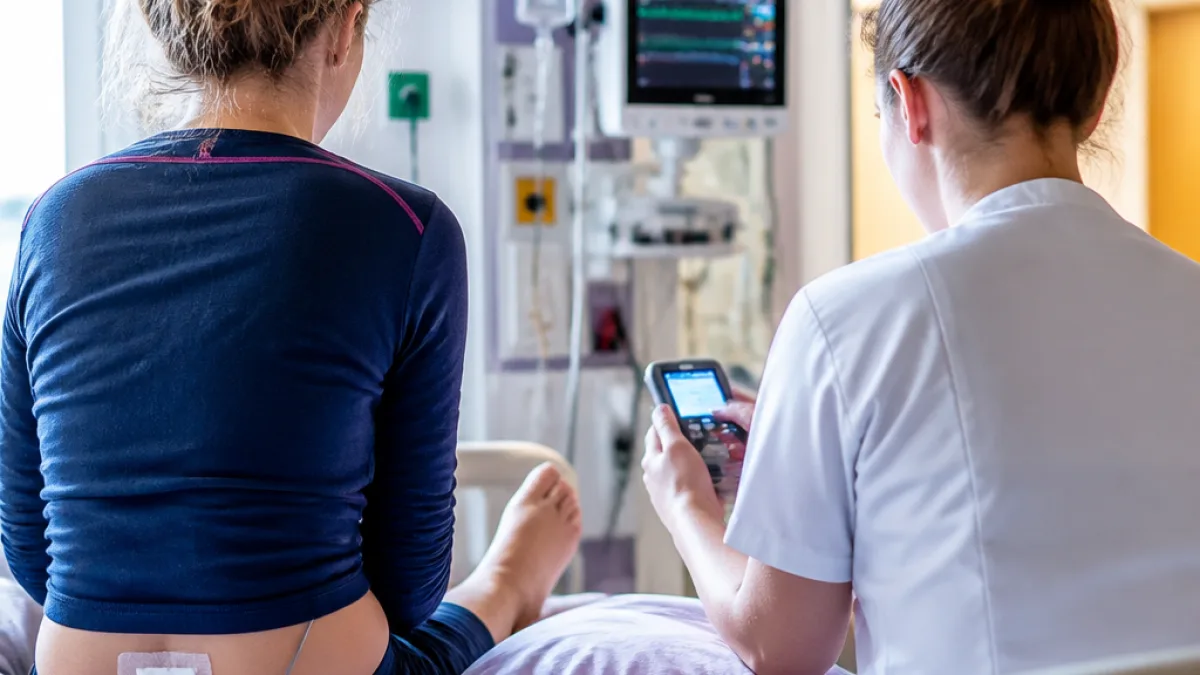
A teenager has become the first young patient in the UK to be fitted with a spinal cord stimulation implant designed to relieve the severe pain of complex regional pain syndrome (CRPS), clinicians at Newcastle Hospitals have confirmed.
Immediate relief after surgery
Ralph Seed, 18, from Washington, Tyne and Wear, had suffered from CRPS in his foot for five years. The condition meant that even the lightest touch could cause intense pain, leaving him unable to walk or put pressure on the affected foot. Last year he even contemplated amputation after conventional treatments failed to bring adequate relief.
Mr Seed underwent surgery at the Royal Victoria Infirmary and was fitted with a small implant beneath the skin that provides electrical pulses to the spinal cord. The hospital described the device as a closed‑loop spinal cord stimulator, which adapts the stimulation in real time according to the patient’s movements.
“For the first time in five years, I’m pain free,” Mr Seed said. “My mum was emotional and so was I. It’s not really hit me, I still can’t get my head around it.”
How the device works and who it may help
Clinicians explained the implant works by disrupting pain signals travelling to the brain. A tiny battery implanted under the skin delivers an electrical pulse to the spinal cord; the closed‑loop system uses the body’s own signals to adjust stimulation to match the patient’s needs.
The treatment is indicated where other therapies — including strong analgesics, physiotherapy and psychological support — have failed to control CRPS symptoms.
- Patient: Ralph Seed, 18
- Condition: Complex regional pain syndrome (CRPS) in foot
- Treatment centre: Royal Victoria Infirmary, Newcastle Hospitals
- Device: Closed‑loop spinal cord stimulator, battery implanted under the skin
| Detail | Information |
|---|---|
| Age | 18 |
| Condition duration | 5 years |
| Immediate outcome | Pain relief reported once device activated |
Personal and wider implications
Mr Seed said the improvement had brought immediate psychological as well as physical benefit: he is able to think about future plans again, including studying and working with cars, and travelling with his family. His mother, Tara Walton, described seeing her son smile again as "really so special".
The case highlights a growing role for neuromodulation technologies in managing chronic pain when standard treatments do not succeed. While the report concerns a single patient, it may be of interest to clinicians, commissioners and families dealing with severe, treatment‑resistant CRPS, as well as to services planning access to advanced pain therapies for younger patients.
Clinicians stress that such implants are considered only after other interventions have been tried and assessed. For families and patients seeking information, local pain management teams and tertiary centres remain the appropriate first points of contact.