Wigan’s director of public health has warned that the gap between the price of healthier food and cheaper, less nutritious options is leaving many families unable to maintain a balanced diet.
Affordability shaping choices
Rachael Musgrave says a nutritious diet underpins good childhood development, reduces pressure on health services and supports longer, healthier lives — but that those benefits are increasingly inaccessible for households on limited budgets.
"A healthy diet is one of the most important foundations of a good life."
Analysis cited by the council shows that the poorest families with children could need to spend as much as 85% of their disposable income to buy a healthy diet. The same research finds that, calorie for calorie, healthier foods are almost twice as expensive as less nutritious alternatives, and that the price gap is at its widest for more than a decade.
Local consequences
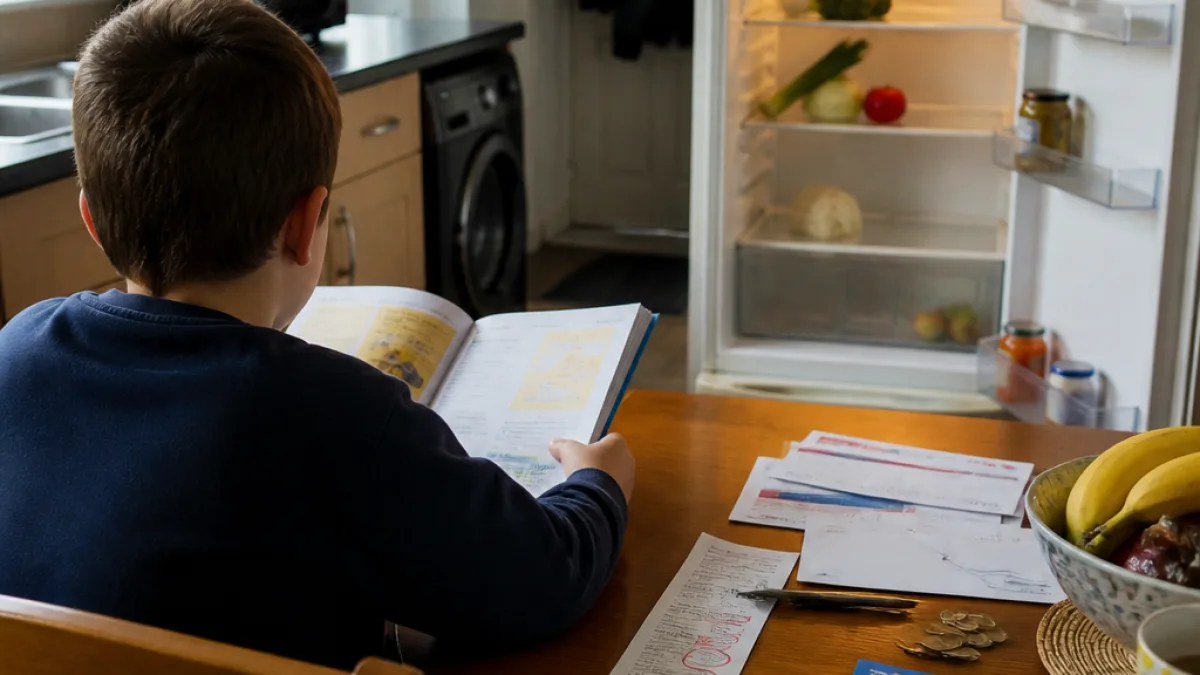
Locally, the council points to worrying indicators of the impact of this growing affordability gap. Only around one in ten young people in the borough eat the recommended five portions of fruit and veg each day. Some families have reported running out of food before their next funds are available, a situation linked to poorer physical health, higher anxiety and lower wellbeing.
- Healthy diet supports child development and adult wellbeing.
- Poorest families may need up to 85% of disposable income to afford healthy food.
- Healthier calories cost nearly twice as much as less nutritious options.
The director argues that conversations about healthy choices must move beyond framing the issue as personal responsibility. When nutritious options are substantially more expensive, choices are constrained by circumstance — and inequality becomes a structural factor in diets and health outcomes.
Prevention and wider determinants
Wigan Council says its strategy is rooted in prevention and in addressing the broader determinants of health. That approach recognises factors such as income, housing, and access to affordable, nutritious food as critical to improving population health rather than relying solely on individual behaviour change.
Evidence shows that food insecurity has both immediate and long-term effects: for children it can undermine concentration and educational attainment, while adults face increased risk of chronic illness tied to poor nutrition. The council's public health lead emphasises that tackling inequality is essential to improving health across the borough.
| Measure | Figure |
|---|---|
| Proportion of disposable income needed by poorest families for healthy diet | 85% |
| Young people meeting five-a-day fruit & veg guideline | 1 in 10 |
For residents, this analysis underscores practical pressures: when household budgets are stretched, fresh produce and more nutritious meals can be harder to prioritise. The council's messaging points to the need for policies and local action that make healthy choices more affordable and accessible for all households.
Local organisations, public services and policymakers will face pressure to respond to these findings with measures that reduce the cost gap between healthy and less healthy foods, and to support families struggling to put balanced meals on the table.