Wokingham politicians have responded positively to the Prime Minister’s announcement that most bus journeys in England will be capped at £2 from January 2027, but local voices say it should be the start of a broader push to improve public transport across the borough.
Local reaction and political context
The reversal restores a lower ceiling on fares after the national cap was previously raised to £3. In Wokingham, the borough’s Liberal Democrat MP highlighted the impact that cheaper fares could have on encouraging greater bus use and easing congestion and pollution.
Clive Jones, the Lib Dem MP for Wokingham, praised the move and framed it as supportive of the council’s long-term efforts to increase passenger numbers through improved local services. He urged the Prime Minister to go further by backing other sustainable transport measures including walking and cycling infrastructure.
“Year on year, the Lib Dem administration in Wokingham is growing bus passengers, giving better local travel options to everyone and reducing congestion and pollution in the process. The increase in the bus fare cap was a real blow to this, and I am pleased to see it reversed.”
The party’s national transport spokesperson also welcomed the change but stressed that a lower cap is only a first step toward a comprehensive transport strategy. He criticised the prior increase and called for measures to protect rural communities and reduce broader travel costs.
“We called out the bus fare hike from the very beginning, so it’s a relief to see the cap back down to £2… The government is still leaving millions behind. Bus routes are the backbone of economic activity in communities across our country, and he must not forget about rural communities with few or no bus services at all.”
What this means locally
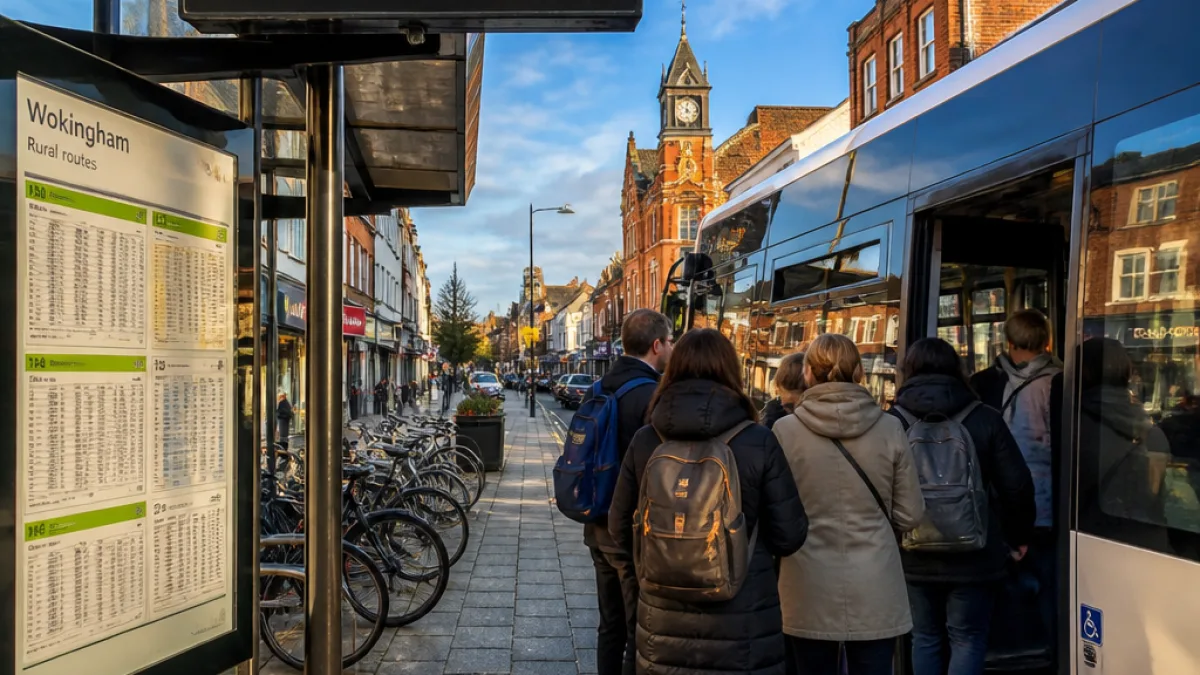
For Wokingham residents the reduction in the fare cap could ease weekly travel expenses for regular bus users and make bus travel more competitive with car journeys. Local councillors and campaigners have repeatedly pointed to affordability and frequency as the two key barriers to higher bus patronage.
- Affordability: A lower national cap reduces the maximum price operators can charge on capped fares.
- Service provision: Campaigners say more investment is needed to maintain and reinstate routes, especially in rural areas.
- Active travel: Local figures want concurrent investment in walking and cycling to support modal shift.
Next steps and local priorities
Local Liberal Democrat representatives have called on the Prime Minister to back further measures, including investment targeted at rural services and other cost-relief steps. National spokespeople suggested examining emergency options to reduce costs more widely, though these proposals are political priorities rather than confirmed policy.
| Measure | Stated intention |
|---|---|
| Bus fare cap | Return to £2 from January 2027 |
| Local calls | More investment in walking, cycling and rural routes |
Residents and campaign groups in Wokingham will be watching how central government funding and policy changes translate into timetables, fares and route availability locally. For many households, smaller fare caps deliver tangible short-term relief; for local authorities and transport operators, long-term planning and investment will determine whether the change leads to sustained increases in bus use.
Further clarification is expected from national and local transport bodies about how the cap will be implemented and whether accompanying funding will be provided to support services that are currently marginal or loss-making.