Wolverhampton City Council has opened a public consultation on a new regeneration framework for the city centre that could create up to 6,750 mixed‑tenure homes across ten development sites.
What the framework sets out
The document — billed as a flexible blueprint to guide planning applications and investment — groups a number of council‑led and private projects under a single, annually updated strategy. Of the homes identified, the council expects about 4,600 to be completed within the timespan of the existing planning period, known as the Wolverhampton Plan, which runs to 2042.
Alongside housing, the framework prioritises improvements to public spaces, active travel and connectivity, and investments in health, education, retail and leisure provision in the city centre. It also sets a borough‑wide ambition to reach net zero by 2041 — nine years ahead of the current national target.
Sites and scale
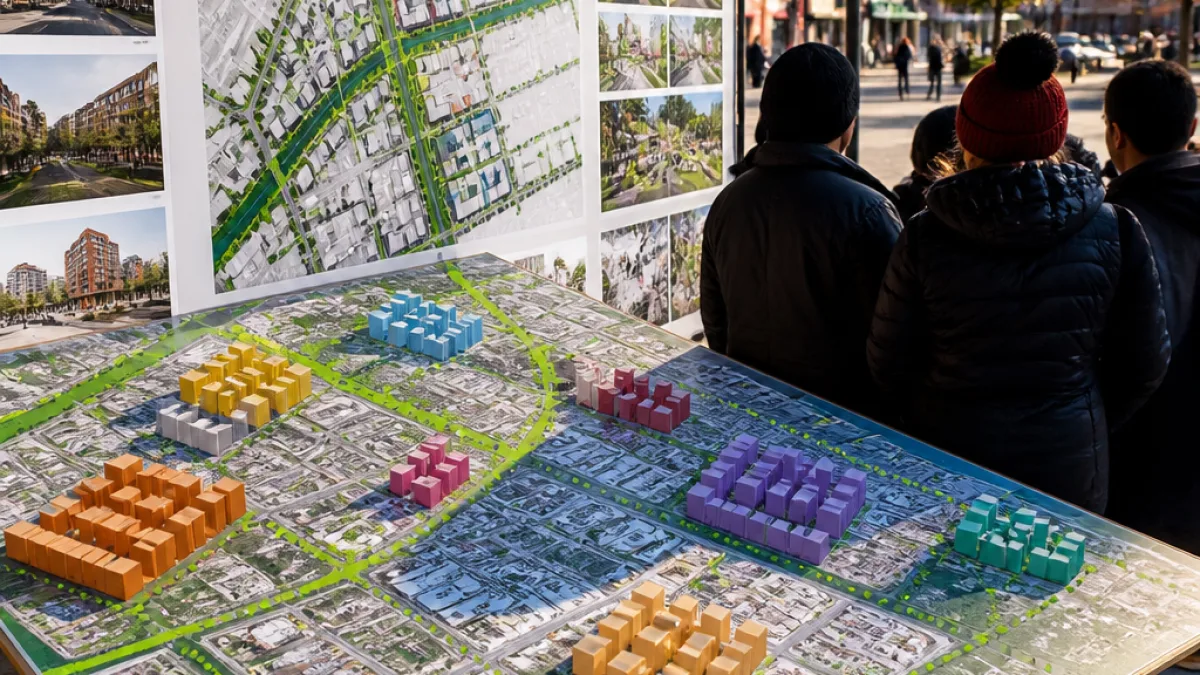
The consultation lists ten sites within the city centre where development will be focused. Several already have planning permission or are in progress; the framework is intended to shape how remaining and future projects come forward.
- Provides an overall housing pipeline and development priorities
- Seeks to embed greener public realm and better transport links
- Invites views from residents, businesses and other stakeholders until 14 August
| Site | Indicative homes |
|---|---|
| Queen Square St Peter’s | 300–400 |
| Interchange | 100–150 |
| Darlington | 1,200–1,400 |
| St George’s | 200–350 |
| Canalside | 1,700–1,800 |
| Springfield | 1,100–1,200 |
| Molineux | 900–1,000 |
| Chapel Ash | 300–350 |
| Graiseley | 300–350 |
“Our Future City Centre Plan is more than just a vision for physical transformation, it is a blueprint for how we will create a city centre that is vibrant, inclusive, and fit for the challenges and opportunities of the 21st century.”
The council leader framed the plan as aiming to attract investment, support local enterprise and enhance quality of life for those who live, work, study and visit Wolverhampton.
Local impact and next steps
For neighbourhoods near the named locations the proposals signal significant change over the coming years — from increased housing density to potential shifts in retail and leisure provision. The framework’s emphasis on connectivity suggests an intent to improve walking, cycling and public transport links between new developments and the wider city.
Because the plan will be updated each year, outcomes will depend on future funding rounds, market conditions and planning decisions. The consultation is the immediate opportunity for residents and stakeholders to shape priorities; responses received by the council will inform the final version of the framework.
Further details and the consultation portal are available via the council’s planning pages; the formal consultation closes on 14 August.