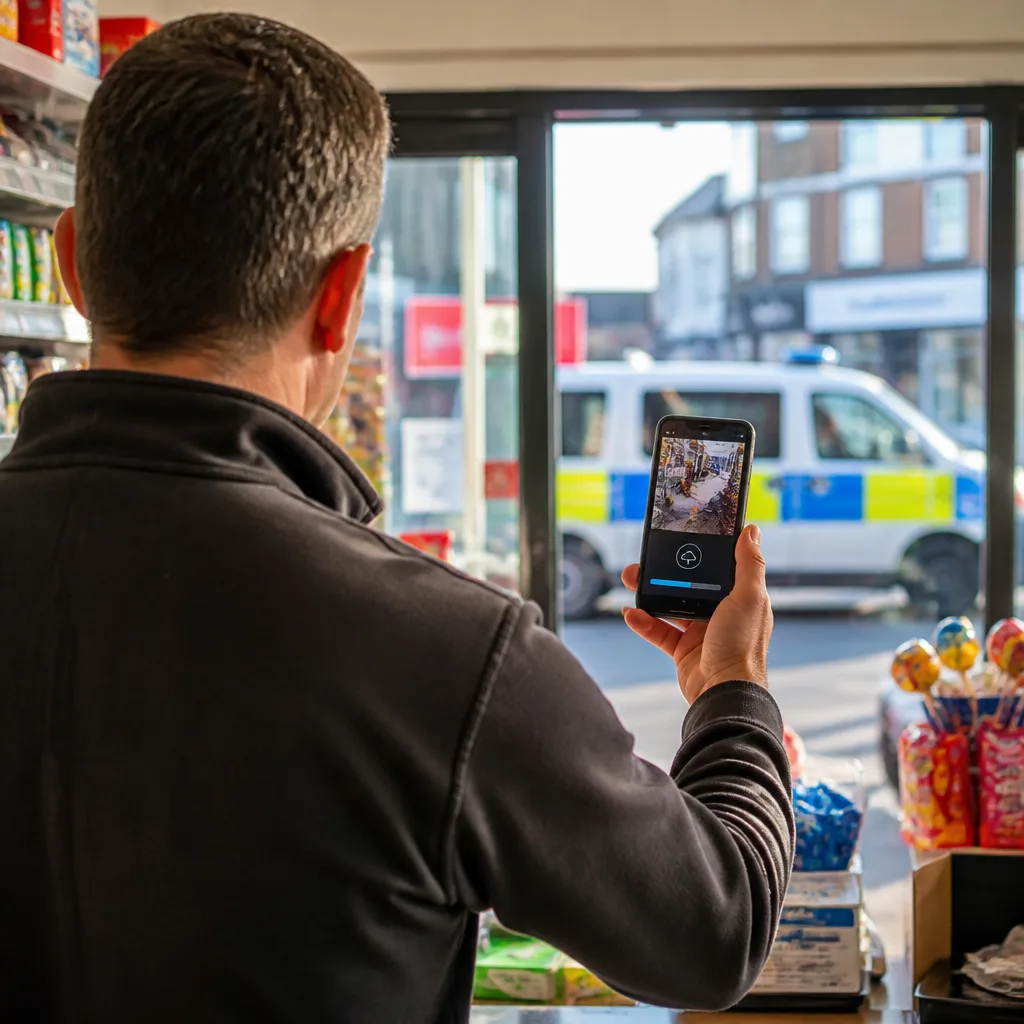
The mobile reporting platform UKPAC, developed to help shops notify police about theft and other retail offences, has expanded beyond its Hampshire pilot and is now in use by 10 police forces across the UK.
Originally launched last year by the Hampshire and Isle of Wight police and crime commissioner, the platform has produced a series of measurable outcomes since the trial: it has captured evidence in 626 incidents, led to 181 people charged and contributed to a total of 62 years of custodial sentences handed down to offenders.
What the data shows
The scheme has driven a higher rate of formal action compared with conventional policing in the area. UKPAC cases reached a formal action rate of 58%, versus a force average of 36% for comparable business-crime reports. The platform has also supported the issue of 22 Criminal Behaviour Orders for repeat offenders.
"UKPAC has proven to be a vital tool in tackling the scourge of shoplifting in our towns and cities," said the police and crime commissioner who launched the system.
Adoption among businesses has been significant: the system lists engagement from more than 1,500 companies and close to 3,000 individual users. Practical benefits include streamlined evidence submission — retailers can upload CCTV and incident details directly — which the force estimates has saved over 2,534 hours of police time.
Implications for households and firms
For local retailers the platform reduces administrative friction when reporting theft, potentially accelerating investigations and prosecutions. For households, a reduction in retail crime can lower insurance premiums and reduce prices driven up by loss and security costs — although the data so far concerns policing outcomes rather than economic measures.
- UKPAC in trial identified 626 crimes and led to 181 charges.
- Users include over 1,500 businesses and almost 3,000 individuals.
- The app saved more than 2,534 police hours by simplifying reporting and evidence-sharing.
Official reaction and next steps
Superintendent Marcus Cator, the force's business crime lead, said the technology has altered the local response to shop theft and highlighted the platform's results. With ten forces now signed up, the model may serve as a template for coordinated business-crime partnerships elsewhere, though broader evaluation will be needed to assess long-term effects on offending rates and local economies.
| Metric | Value |
|---|---|
| Incidents identified | 626 |
| Individuals charged | 181 |
| Custodial sentence total | 62 years |
| Formal action rate (UKPAC) | 58% |
| Force average formal action rate | 36% |
| Companies engaged | 1,500+ |
| Individual users | ~3,000 |
| Police hours saved | 2,534+ |
Further rollout will be watched by retailers and policing bodies alike. The platform’s reported efficiencies and higher formal-action rates could encourage other forces to sign up, but independent assessment will be important to confirm whether these early gains deliver sustained reductions in retail offending and material benefits for businesses and consumers.