As a teenager in New Jersey, Jessica Sikora felt isolated, restricted by strict household rules and unable to find support where she lived. At 13 she became depressed, and by 17 had attempted suicide three times. Therapy was not an option in her family; instead, she was told to turn to faith.
Turning inward — and then outward
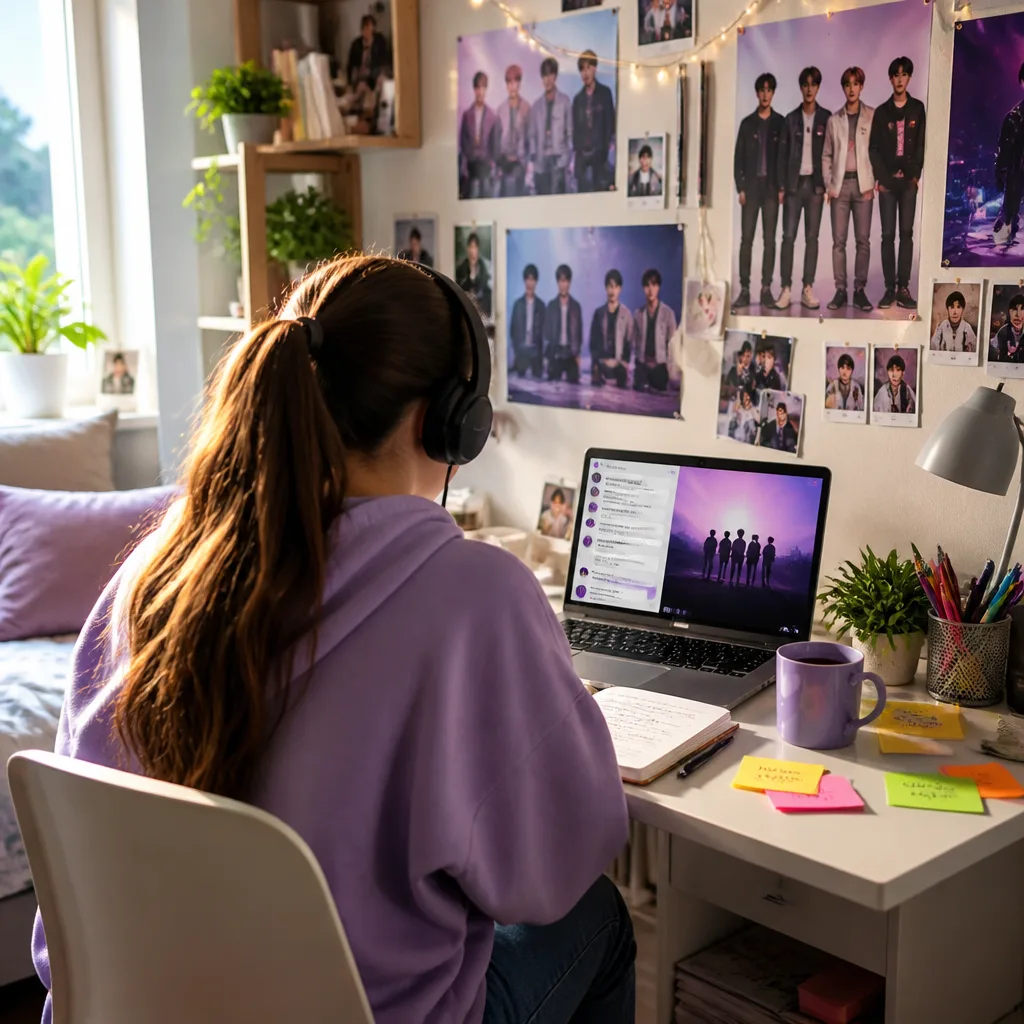
Left largely alone at home and unable to attend social events, she sought refuge in music. Listening became both a comfort and a coping mechanism. She recalls the hours spent at her desktop, absorbing songs and the communities that formed around them. Those early experiences of connection through sound later informed her work.
“My parents pulled a lot of their traditional Asian parenting from their own upbringing,” she says.
Today, Sikora runs Superbands, a platform that mobilises music fandom as a tool to promote mental health among young people. Her personal history — including repeated self-harm and multiple suicide attempts before the age of 17 — gives the project a clear, lived perspective on why community and shared interests can matter so much.
Why fandom can help
Music scenes and online fan communities can provide several practical benefits for young people struggling with loneliness or mental ill-health. They offer:
- A sense of belonging around something passionate and shared;
- Informal peer networks that may be more accessible than traditional services;
- Safe spaces to express emotions through language, art and conversation.
For Sikora, those elements were crucial. Stuck at home and limited by parental restrictions, she turned to music to build a private world that eventually became the basis for public support work.
From private refuge to public platform
Superbands aims to translate the solace Jessica found into structured support opportunities for others. While the platform combines music culture with wellbeing aims, its origin story is rooted in a specific experience: a young person denied formal help, who used fandom as a lifeline.
| Detail | Fact |
|---|---|
| Age when depression became apparent | 13 |
| Number of suicide attempts before 17 | Three |
| Current role | Runs Superbands |
Her story underlines a wider social point: when formal support is unavailable or culturally discouraged, informal communities — whether built around music, gaming or other shared passions — can become vital sources of resilience for young people.
As conversations about youth mental health continue across the UK, projects like Superbands show how cultural participation and online networks can complement clinical services, offering connection, empathy and practical peer support where it's most needed.