Rising living costs are prompting many people to consider starting a business without taking on large debt. A selection of ventures can be launched with modest capital — often under £1,000 — using equipment people already own and by leaning on online marketplaces and social media to find customers.
Where small capital meets demand
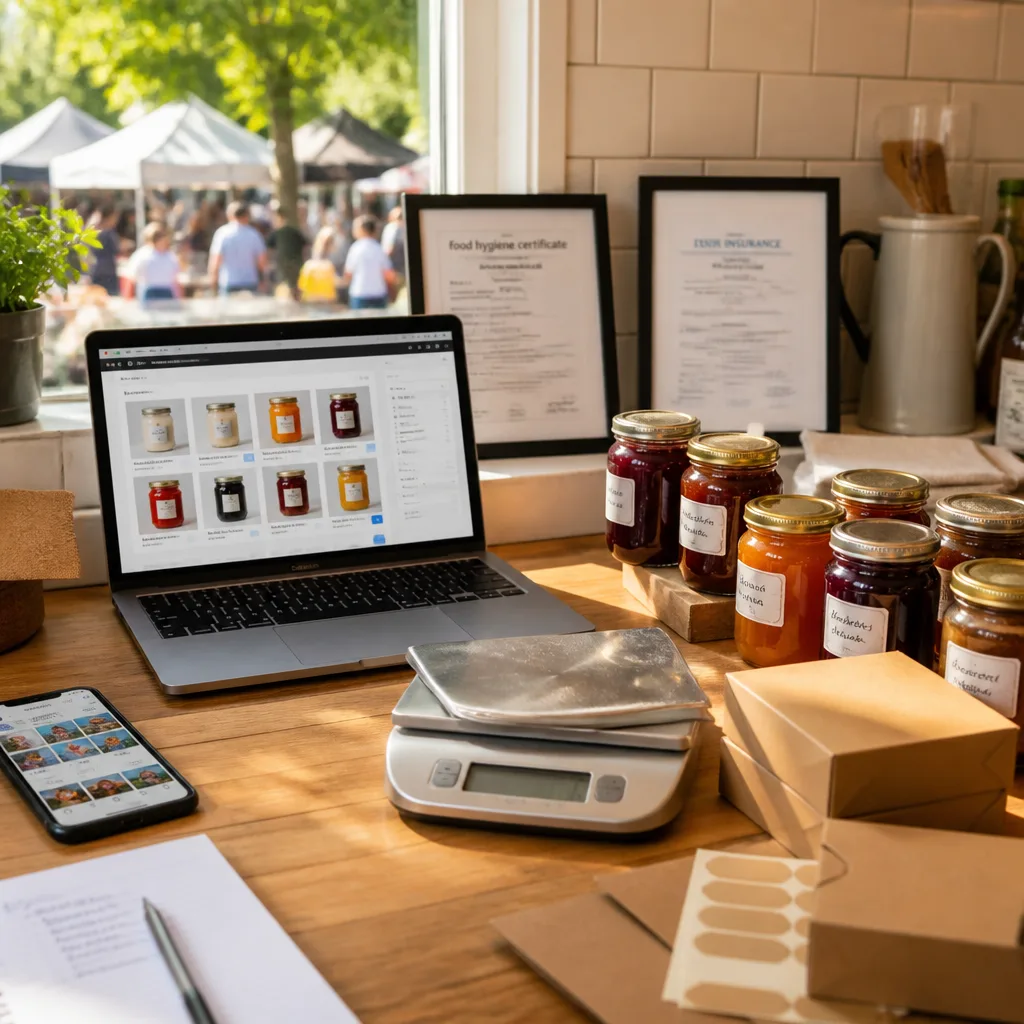
One opportunity is specialty food production. Home cooks who have a popular product among friends can scale up into a small food business with relatively low overheads as demand grows. In many cases entrepreneurs begin under existing cottage‑food frameworks, though they must still secure the relevant licences, health permits and insurance before selling to the public.
Key practical requirements listed for food ventures include:
- Business registration and a food hygiene or manager certification
- Liability insurance and adherence to safety standards
- Ingredients and packaging costs that increase as volume grows
Platforms and places to reach customers
Physical markets remain important: academic research cited shows a large proportion of consumers attend local farmers’ markets regularly, providing a ready channel for small food producers. Digital sales channels also matter; social networks and e‑commerce platforms can significantly extend reach without heavy upfront retail costs.
| Consumer behaviour (study) | Share |
|---|---|
| People attending a local farmers’ market at least once a year | 80% |
| People who attend six times or more a year | 41% |
Skills and market gaps
Beyond food, demand for digital services — for example social‑media management — is high because many small firms lack the time or expertise to build an online presence. Starting these services usually requires minimal equipment and can be scaled with client work rather than large investment in premises or stock.
That said, success relies on more than low costs. Businesses must meet regulatory requirements, manage risk (notably food safety and liability for consumables), and invest time in marketing to find and retain customers. For people treating a venture as a side income, the low upfront requirement can make experimentation feasible while limiting financial exposure.
For households considering a turnaround in earnings, these models offer a pragmatic path: limited capital outlay, scalable operations, and a mix of physical and online channels to reach consumers. As costs remain a concern for many families, small, well‑regulated enterprises could play an increasing role in household finances and the wider micro‑business landscape.