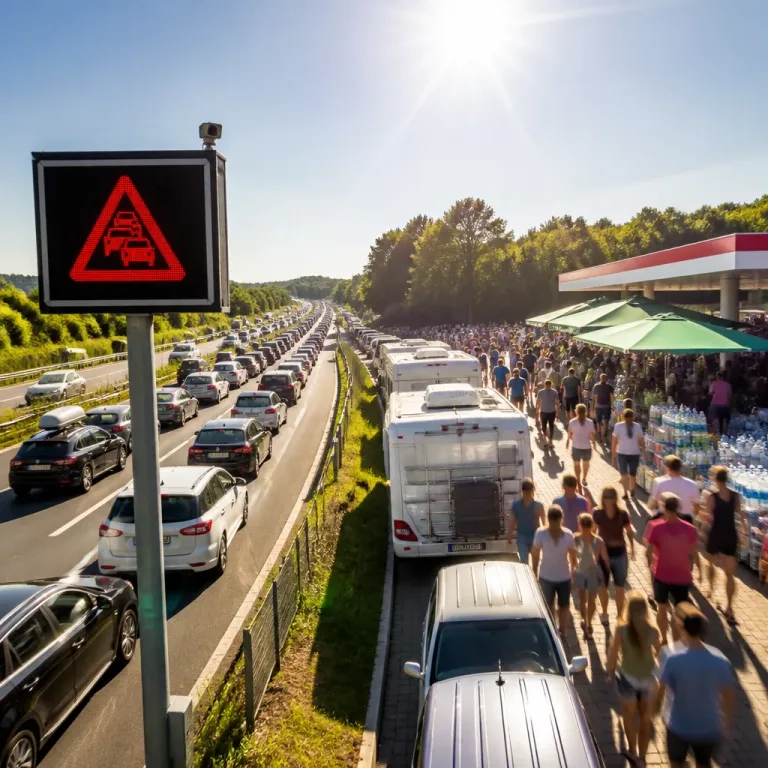
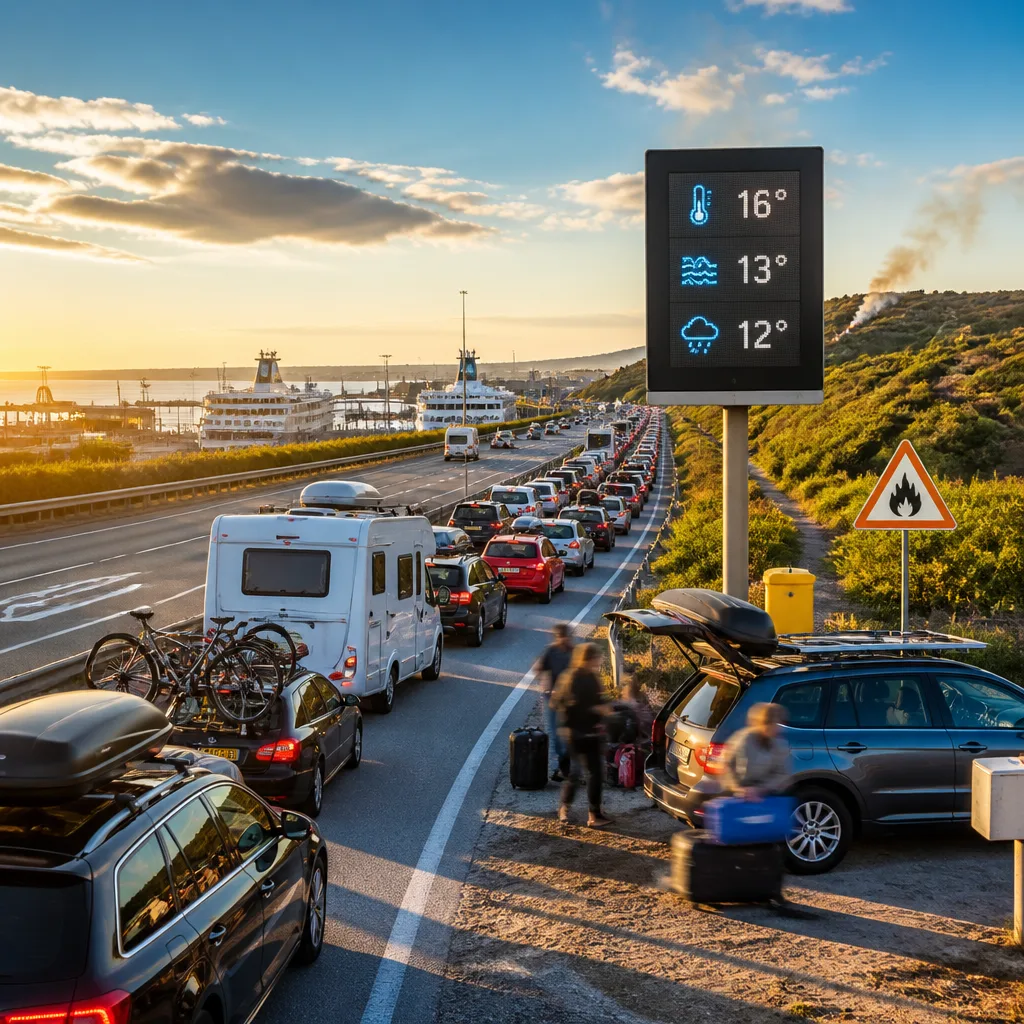
Temperatures are expected to ease across the United Kingdom this weekend while traffic volumes surge as millions embark on summer breaks. The RAC has estimated that 14.1 million motorists will make journeys for holidays or day trips between Friday and Sunday, the second-highest total since the organisation began collecting the data in 2016.
Forecast and travel peaks
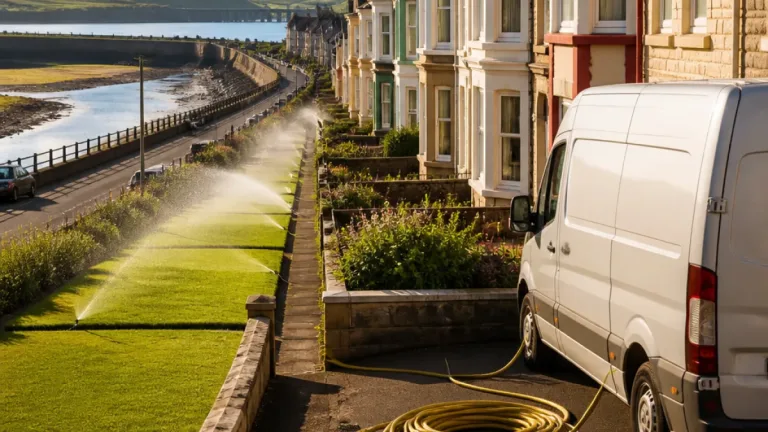
The weather outlook from the Met Office points to a quieter spell compared with the recent run of heat. After the UK recorded temperatures above 30°C for the 13th consecutive day on Friday — with 31°C reported at Ross-on-Wye in Herefordshire — highs are expected to be lower over the weekend. Forecast peak temperatures include:
- London, Cardiff: around 24°C on Saturday
- Manchester: about 21°C on Saturday
- Glasgow: near 23°C on Saturday
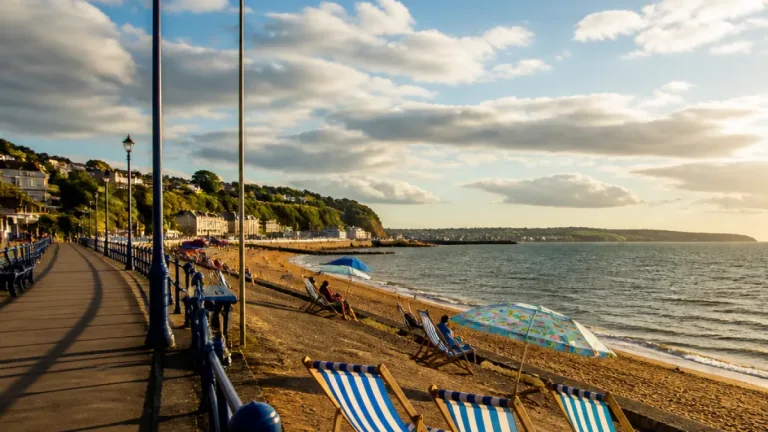
The RAC anticipates Saturday will be the busiest travel day, with roughly 3.8 million planned leisure journeys. Friday and Sunday are each expected to see about 3.4 million trips. The Port of Dover is forecasting outbound traffic of roughly 7,500 cars on Friday, rising to nearly 10,000 on Saturday, as south-west and north-west England are likely to experience the heaviest leisure traffic.
"A fine start for many during Saturday morning 😎 Some cloud around northern and eastern coasts which may bring spots of light rain ☁️ Lots of sunshine and feeling cooler for some in northerly winds 🍃" — Met Office
Context: the summer of many 30°C days
So far in 2026 there have been 28 days when temperatures exceeded 30°C somewhere in the UK — a total composed of seven days in May, eight in June and 13 in July. The record for the number of 30°C-plus days in a calendar year remains 34, set in 1995.
| Metric | Value |
|---|---|
| Estimated weekend leisure journeys (Fri–Sun) | 14.1 million |
| Busiest day (estimated) | Saturday — 3.8 million |
| Record 30°C-plus days in a year | 34 (1995) |
Wildfire risk and public safety
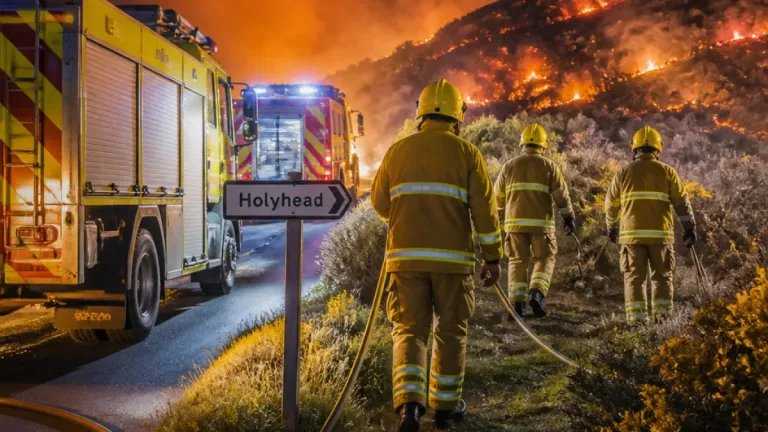
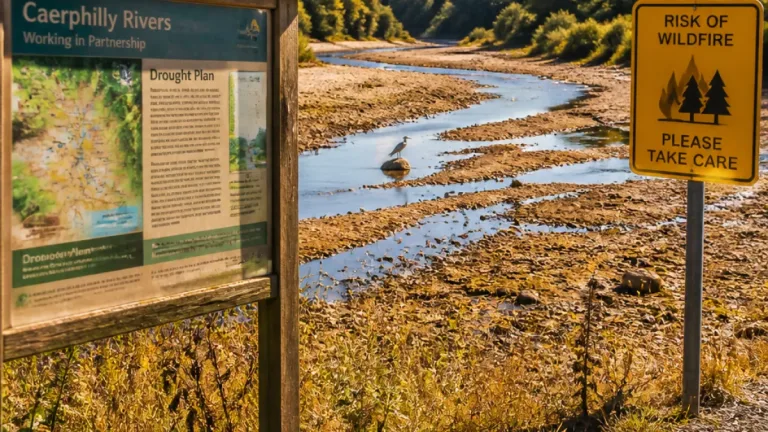
Persistent hot, dry weather has prompted warnings about wildfire risk. National Resilience figures show nearly 499 wildfires were recorded across England and Wales between 1 January and 16 July. Although this remains lower than last year’s comparable count of 748, the National Fire Chiefs Council has emphasised that wildfire activity continues and members of the public are being urged to take precautions and help reduce ignition risks.
Practical steps for those travelling and spending time outdoors include planning journeys to avoid peak congestion where possible, ensuring vehicles are roadworthy and carrying water, and following local guidance to avoid actions that could start fires (such as discarding cigarettes or lighting barbecues in vulnerable locations). Drivers should expect delays at key ports and on routes to coastal and tourist destinations.
The combination of reduced weekend temperatures and heavy movement on the roads is likely to produce a mixed picture: cooler conditions for many will ease heat-related strain, but traffic congestion and ongoing wildfire potential mean vigilance remains necessary for motorists and visitors to open countryside.