The Environment Agency has placed Devon, Cornwall and the Isles of Scilly into a state of prolonged dry weather, citing England’s warmest spring on record and a sequence of summer heatwaves. The move comes amid concerns that rivers, wildlife and water supplies across the region are increasingly under pressure.
What the declaration means locally
The agency says it is monitoring conditions closely and is prepared to respond to environmental incidents, while attempting to balance the needs of water users with protection of the natural environment. On the islands, where many households and businesses rely on private supplies and local water resources, the combination of low spring rainfall and recent heat has already had tangible effects.
- Low spring rainfall: Rainfall between March and May was reported as significantly below average across the region.
- Insufficient June rains: Heavy rain in early June failed to replenish soils and river flows to normal levels.
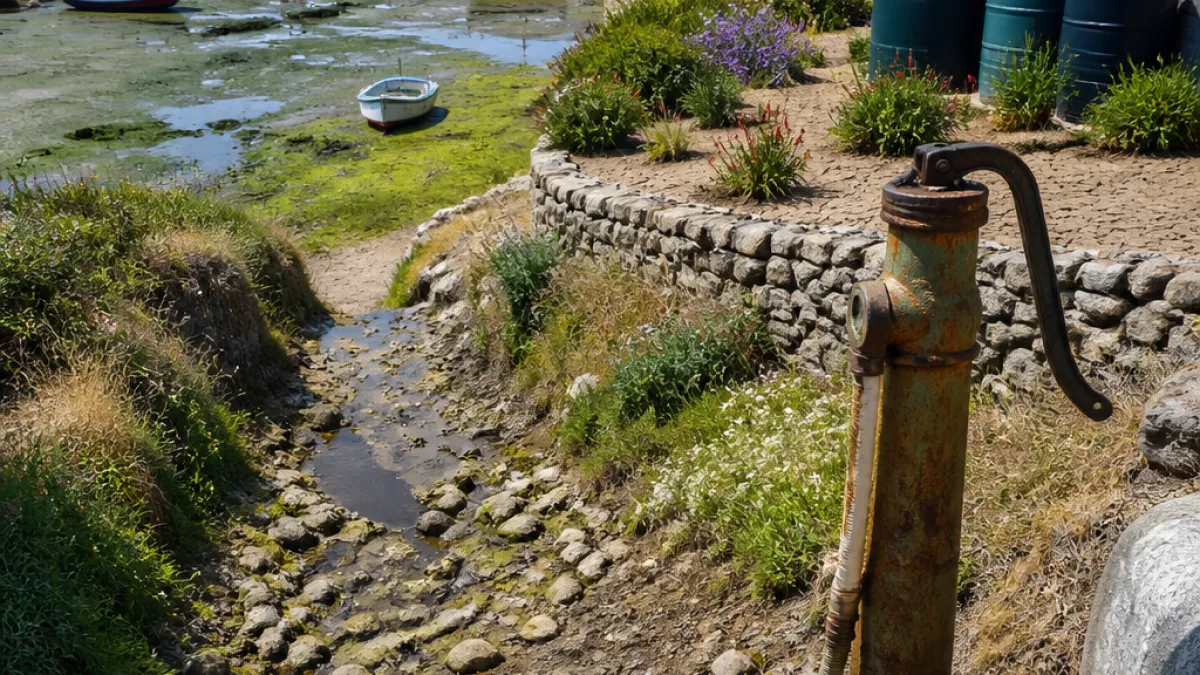
- Private supplies affected: The agency has observed private water supplies fed by boreholes beginning to struggle in some areas.
Risks highlighted by the agency
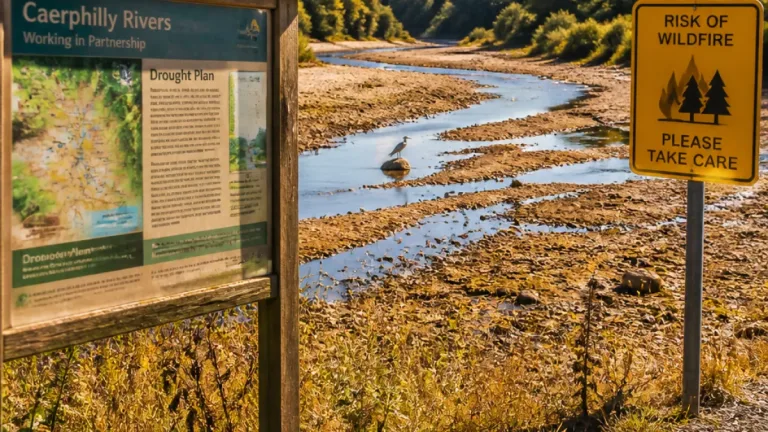
Officials warn that prolonged dry weather increases the likelihood of a range of environmental incidents. These include:
- fish becoming stranded in shrinking waterways;
- reduced water quality; and
- harmful algal blooms.
“Devon, Cornwall and the Isles of Scilly is the third Environment Agency area to move into a state of prolonged dry weather this year. … The Environment Agency urges everyone to do their bit and use water more wisely,”
The agency notes that climate patterns are shifting, with wetter winters and hotter, drier summers becoming more frequent in this part of England. That change in seasonal behaviour is a major factor behind the current declaration.
Local implications and what residents should expect
For Isles of Scilly residents, the declaration reinforces existing concerns about water availability during the summer months. While local water companies and the Environment Agency are monitoring the situation, households that depend on private boreholes or smaller local supplies are already seeing strain. The declaration acts as a formal alert: individuals and businesses are being asked to reduce non-essential water use to help protect the natural environment and maintain supply for essential needs.
| Period | Reported issue |
|---|---|
| March–May 2026 | Rainfall significantly below average |
| Early June 2026 | Heavy rain but insufficient to replenish levels |
| July 2026 | Area moved into prolonged dry weather state |
The Environment Agency also highlighted that the National Drought Group — which includes the Met Office, government departments, water companies, farming and conservation representatives — continues to monitor conditions nationally and was scheduled to meet on 20 July to review the situation.
Local households and businesses should expect continued monitoring and the potential for advice or targeted measures if conditions worsen. In the meantime, the practical step urged by officials is straightforward: use water more wisely to reduce strain on environmental and human supplies.