
Smoke from wildfires in Canada has spread over the northeastern United States, producing a haze and raising air-quality concerns in New York and New Jersey in the run-up to the World Cup final.
Current conditions and what changed
On Saturday a persistent smoke layer reduced visibility across the region and led authorities to issue warnings for degraded air quality. At one point New York was reported as having the worst air quality in the world.
"moderate"
Forecast models and air-quality forecasts indicate that conditions will improve by Sunday in East Rutherford, where the final between Spain and Argentina is scheduled to start at 15:00 local time (19:00 GMT). Officials expect the air-quality index (AQI) to move from levels described as unhealthy for some groups to levels classed as moderate for sensitive individuals.
Impacts and precautions
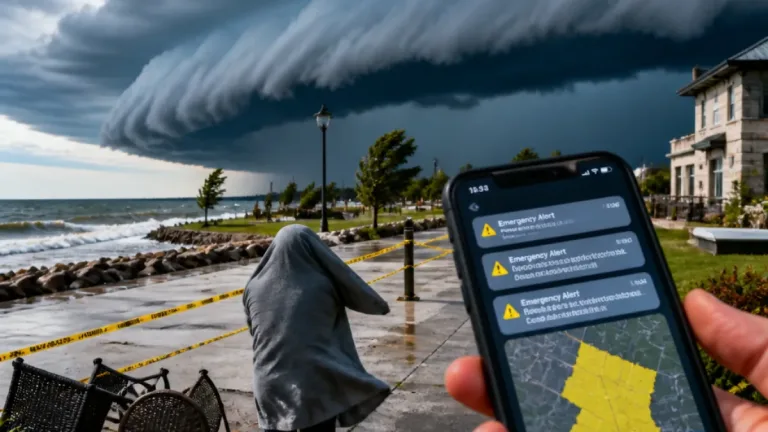
The smoke has already caused local disruption: a thunderstorm passed through the stadium complex on Saturday, prompting staff and spectators to seek shelter; volunteers distributed ponchos and authorities advised people to move to covered areas. Event organisers, public-health bodies and local officials have been monitoring forecasts closely as conditions evolve.
- If you are attending the match and have respiratory conditions, consider bringing any prescribed inhalers and limiting strenuous outdoor activity.
- People with asthma, chronic obstructive pulmonary disease (COPD) or other cardiorespiratory illnesses should follow local health-advice notices and consider reducing time outdoors if haze is present.
- Those organising large outdoor gatherings should keep contingency plans ready in case air quality deteriorates or weather forces temporary sheltering.
Key timings and expectations
| Event | Time |
|---|---|
| World Cup final kick-off | 15:00 local / 19:00 GMT |
| Forecasted AQI change (East Rutherford) | Unhealthy → Moderate |
Organisers and public-health officials are emphasising the forecasted improvement, but caution that localised pockets of poorer air can persist depending on wind shifts and smoke density. Spectators and residents should check real-time local AQI readings and follow guidance issued by health authorities.
The combination of smoke and unstable weather this weekend has been an additional challenge for event managers. While forecasts suggest a reduction in smoke concentration by match day, planners and attendees should remain prepared for short-term changes to conditions.
Information will continue to be updated by local meteorological services and public-health agencies; those attending or living near the stadium are advised to consult official channels for the latest air-quality bulletins and weather advisories.