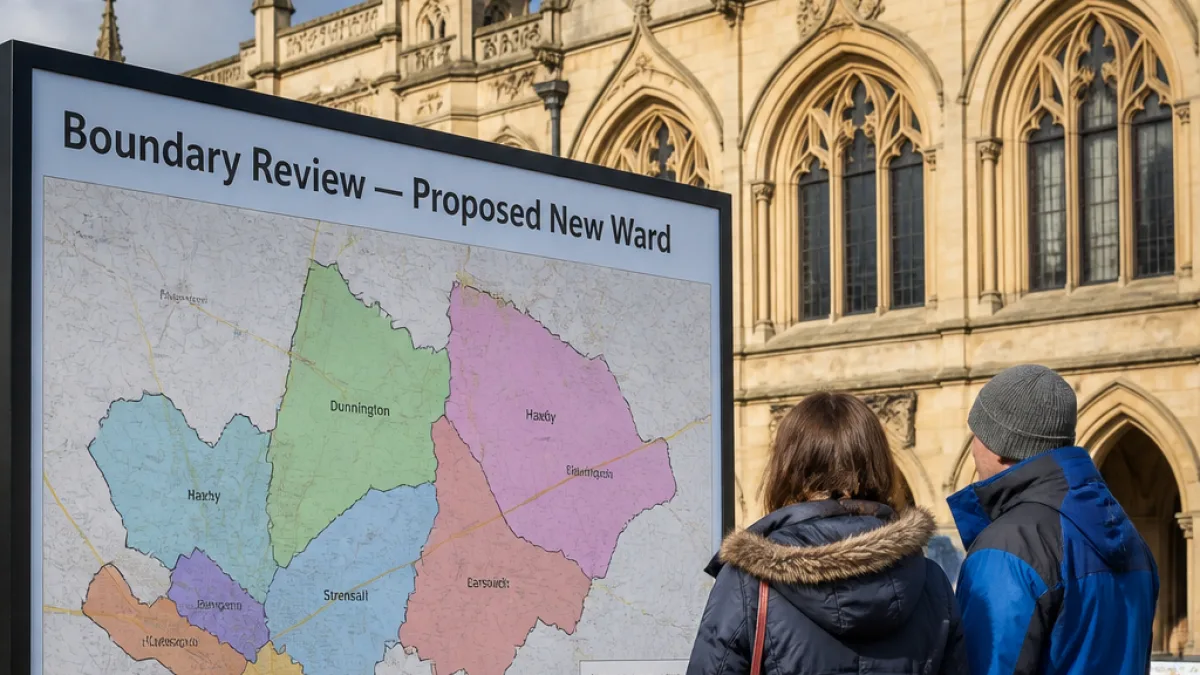
Councillors at City of York Council have formally backed a response to proposed changes to electoral boundaries which, if adopted, would increase the number of city councillors from 47 to 48 and create a new ward, taking the total to 22.
What the proposals would change
The proposals come from the Local Government Boundary Commission for England (LGBCE) and form the second phase of an electoral review of York that began last year. The review aims to ensure councillors represent broadly similar numbers of electors, taking into account population forecasts over the next five years.
Forecasts cited in the council report show the number of electors in York increasing from 156,099 last year to 170,031 by 2031. The LGBCE has produced draft ward boundaries and a proposed council size based on those figures and on submissions from political groups and the public.
Local reaction and proposed amendments
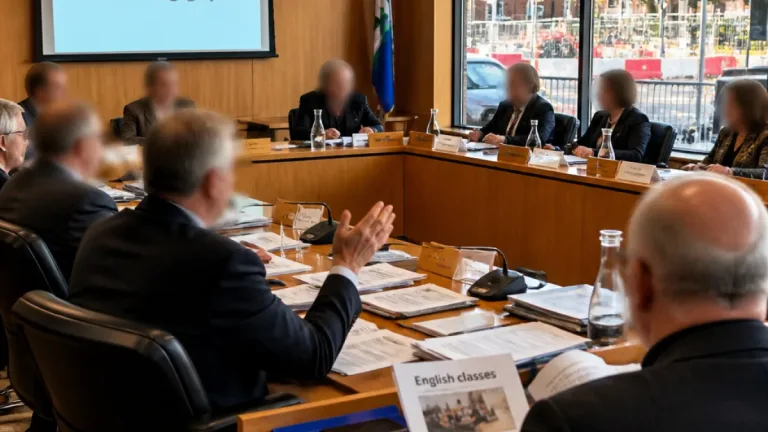
A task-and-finish group of councillors examined the LGBCE draft and recommended the council’s formal response. While councillors voted to back that response on Thursday 16 July, the minutes record some disappointment with aspects of the proposals and calls for changes before any final order is made.
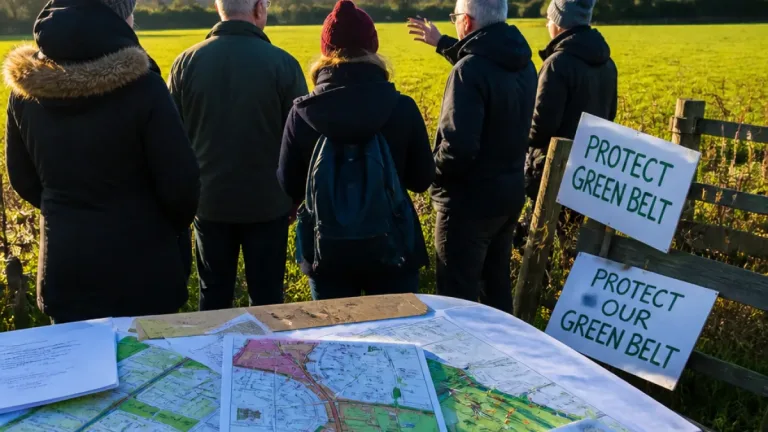
Among the specific points raised by the group were calls to keep certain rural parishes and existing wards separate rather than combining them into larger, multi-parish wards. In particular, councillors want:
- Dunnington — including the parishes of Dunnington, Holtby, Kexby, Scoreby and part of Murton — to remain separate and not be included in a Derwent ward;
- Wheldrake — including Wheldrake, Elvington, Deighton and Naburn — to be retained separately and not merged into Derwent.
Councillors also expressed unease about the council having an even number of members should the LGBCE’s proposal be implemented.
Current political make-up and context
At present the council is made up of a 24-strong Labour group controlling the authority, a Liberal Democrat opposition of 19 councillors, three Conservatives and one councillor from Restore Britain. The LGBCE says reviews happen periodically; the last full electoral review in York was in 2014.
| Current councillors | Number |
|---|---|
| Total | 47 |
| Labour | 24 |
| Liberal Democrats | 19 |
| Conservatives | 3 |
| Restore Britain | 1 |
The council report states the LGBCE has taken account of electoral forecasts to 2031 when drawing its proposals. The commission will consider the council’s formal response and submissions from other interested parties before issuing final recommendations.
Any changes to ward boundaries and council size will affect how residents are represented at elections and could alter the balance of political control in future contests. The review process includes opportunities for public consultation before any final order is made by the LGBCE.