
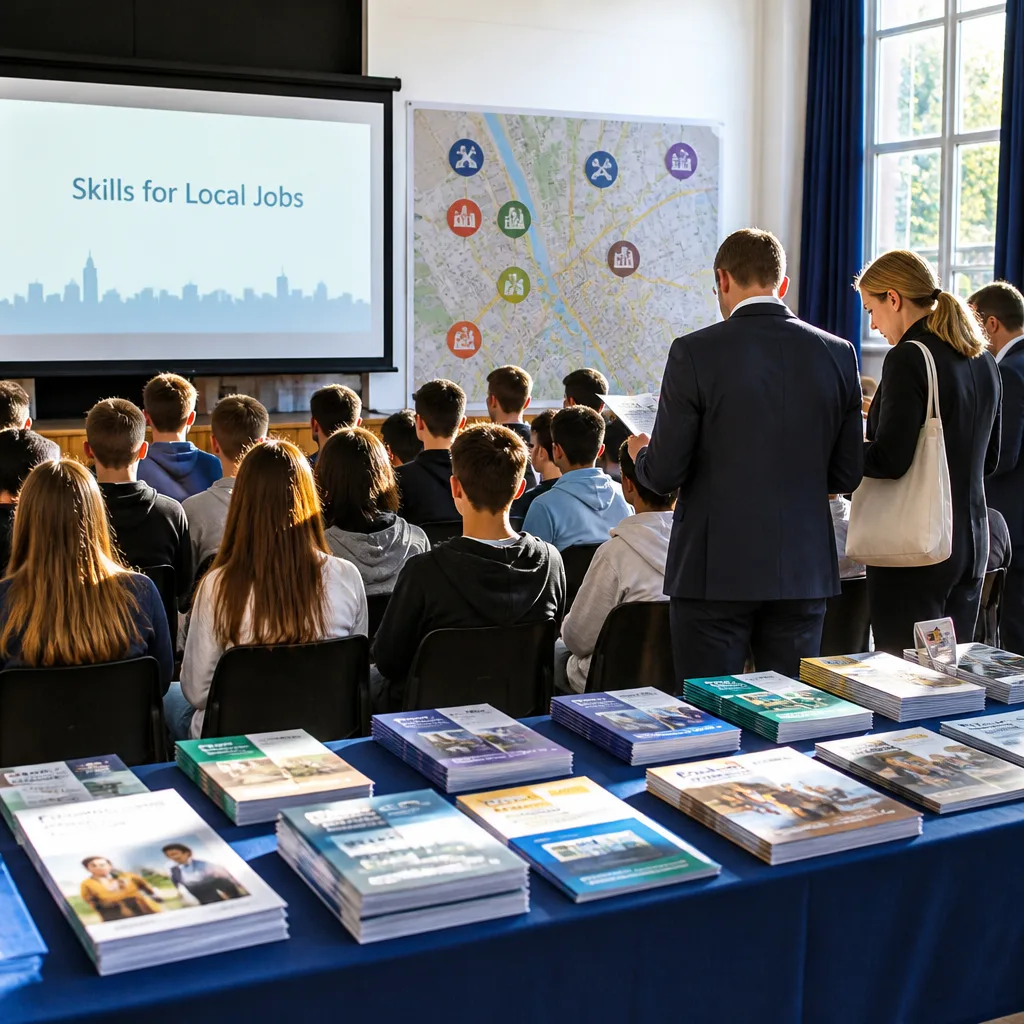
Andy Burnham will instruct schools across England to adapt their curricula so they better reflect the needs of local employers, part of a devolution drive designed to reduce youth unemployment and strengthen links between education and work.
Policy details and timetable
The plan, drawn from the Greater Manchester baccalaureate that Burnham introduced as mayor, would require schools to make programmes for pupils aged 14 and above more responsive to local labour markets. It envisages technical and vocational skills being taught alongside traditional academic subjects, with the scheme intended to begin operating from September 2028.
How it will work and who is involved
Under the proposal, mayors and other local leaders will collaborate with schools, colleges and employers to design technical training aligned to local jobs. The approach also includes:
- prioritised funding for technical and vocational qualifications;
- guidance to Ofsted to recognise technical qualifications alongside academic ones;
- greater local decision‑making over education for the 14–16 age group.
“For too long in this country, students have been told that you must take the academic path to do well and to be respected. The whole school system has been built around it and that has let down young people seeking technical qualifications.”
Intended impacts on households and businesses
The initiative is explicitly aimed at addressing a perceived mismatch between what schools teach and local employer needs. For households, the proposal promises clearer routes into work for teenagers who do not wish to follow purely academic paths, and could reduce the socioeconomic cost of youth unemployment over time. For businesses, a curriculum shaped by local demand should improve the availability of entry‑level staff with practical skills relevant to regional industries.
Political framing and context
Described by No 10 as “a fundamental change to the education system”, the announcement starts a week of policy initiatives for Burnham expected to touch on adult social care, defence and devolution. The government is positioning this reform as a long‑term structural measure, following shorter‑term consumer‑focused measures such as help with electricity bills.
Practical considerations
Implementation will require coordination between national and local bodies, adjustments to school timetables and qualification mixes, and clarity on how funding will be allocated. The proposal signals a shift in official recognition of technical routes: schools and colleges will be asked to present vocational study as equal in value to academic achievement.
| Element | Detail |
|---|---|
| Target age | 14–16 |
| Start date | September 2028 |
| Key partners | Mayors, schools, colleges, employers, Ofsted |
The proposal reframes technical education as an instrument of local economic policy. Its success will depend on effective local collaboration, clear funding priorities and whether employers take up the role of co‑designing training. Households can expect a stronger emphasis on practical skills in secondary education if the plan proceeds as outlined.