Restrictions introduced in Cuba have led the government to suspend a broad swathe of routine medical services, with clinicians warning this has already degraded outcomes for patients and contributed to rising mortality across several indicators.
Early intervention delayed, complications increase
Medical staff report that the suspension of so-called non-essential services has had direct effects on the ability to detect and treat conditions early. A paediatric anaesthesiologist described a change in the mix and severity of cases arriving for treatment, noting that problems which might once have been caught early are now presenting at a more advanced stage and requiring more intensive resources.
"All the appendicitis cases we treat now present complications. They demand more resources and antibiotics – supplies we don’t have."
Clinicians say the impact is not limited to surgical complications: the deterioration of preventive care pathways means fewer opportunities for screening and early intervention across age groups.
Measured increases in mortality and falling cancer survival
Official statistics and hospital reports cited by healthcare professionals reveal several concerning trends:
- Childhood cancer survival has fallen from 85% to 65%.
- Infant mortality rose from 4 per 1,000 live births in 2017 to 7.7 in 2024 and 9.9 in 2025.
- Maternal mortality increased to 44.1 deaths per 100,000 live births by the end of 2025, up from 40.6 the previous year.
| Indicator | 2017 | 2024 | 2025 |
|---|---|---|---|
| Infant mortality (per 1,000 live births) | 4.0 | 7.7 | 9.9 |
| Childhood cancer survival (%) | — | 85 | 65 |
| Maternal mortality (per 100,000 live births) | — | 40.6 | 44.1 |
Pregnancy and neonatal care under pressure
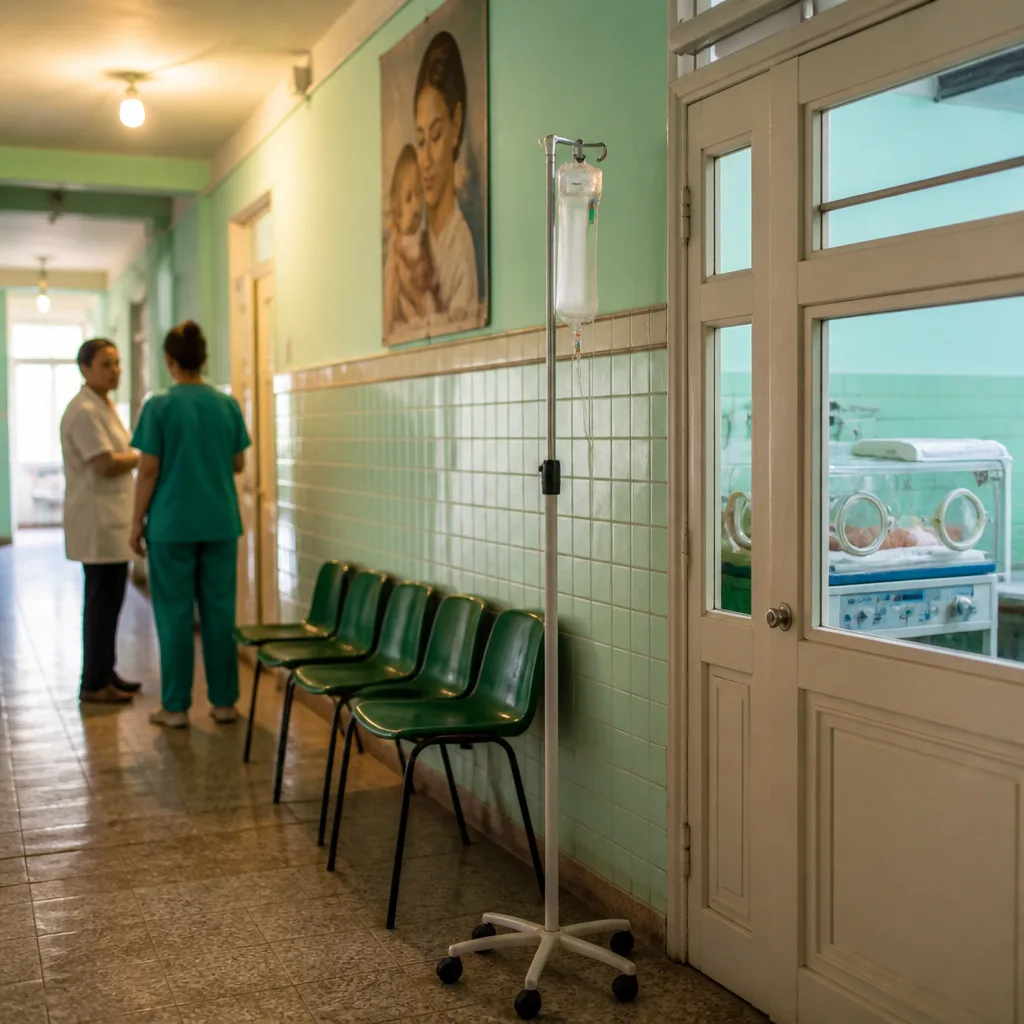
Obstetricians report rising rates of premature birth and severe maternal morbidity as care pathways and resources are restricted. One clinician described shortages throughout the system and warned that the conditions for safe maternity care have deteriorated.
"Conditions are far from ideal at all the levels of the system. There are shortages everywhere."
The prioritisation of emergency services is described as necessary by officials but problematic in practice. Classifying many procedures as elective has meant that interventions which are not immediate emergencies but are nonetheless essential have been deferred, with consequences for patient outcomes.
Consequences and context
Healthcare professionals emphasise that preventive and early-intervention services play a crucial role in maintaining population health. The documented rises in infant and maternal mortality, along with the decline in childhood cancer survival, indicate that reductions in routine services and shortages of supplies are translating into measurable harm.
As the situation evolves, clinicians and international observers will be watching official data and hospital reports for further evidence of how service restrictions and supply shortages are affecting morbidity and mortality across the island.