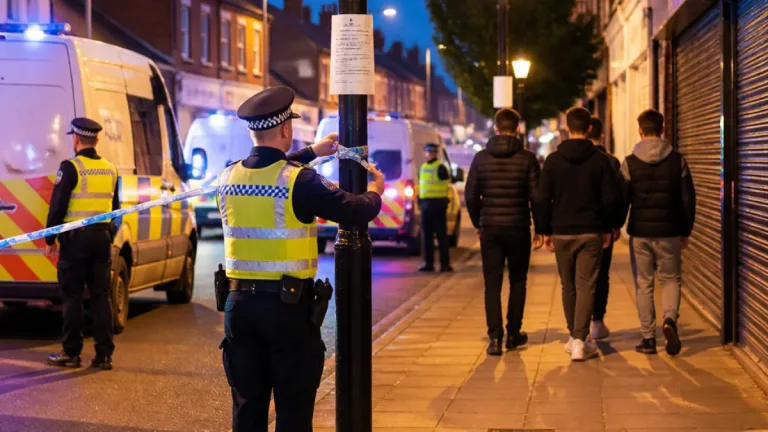

Ben‑Julian Harrington, the chief constable of Essex Police, will retire on 31 August after eight years in charge of the force. In an interview published as he prepares to step down, Harrington defended his officers against what he described as rising numbers of “armchair critics” and spoke about how that criticism affects staff and their families.
Defending officers under scrutiny
Harrington, who began his policing career with the Metropolitan Police in 1990 and became Essex chief constable in 2018, said decisions made by officers are often complex and taken under pressure with limited information. He told the BBC that police personnel get such decisions right “99 times out of 100” and are held accountable when they make mistakes.
“I know personally where I've had my daughters read the comments that have been made about things I've said and done which are then played out in their school,”
He said he has developed a thick skin but raised concern for younger officers and staff who may be more affected by online abuse. Harrington said the protests in Epping last summer led to a rise in social media abuse directed at female officers, including misogynistic language and threats that he characterised as near hate crimes rather than exercises of free speech.
High‑profile incidents during his tenure
During Harrington’s time as chief constable, Essex Police handled several widely reported and traumatic incidents which have shaped public debate about policing in the county. Those events include the discovery of 39 bodies in a lorry in Grays, the murder of MP Sir David Amess, and large‑scale unrest associated with protests outside a hotel in Epping.
| Incident | Location | Context |
|---|---|---|
| Discovery of 39 bodies in a lorry | Grays | Major criminal investigation |
| Murder of Sir David Amess | Essex | High‑profile homicide |
| Large‑scale protests | Epping | Public order and counter‑protest controversy |
Essex Police faced criticism over some aspects of its handling of the Epping protests, including accusations of “bussing in” counter‑protesters—an allegation that drew significant public attention and debate about policing tactics at demonstrations.
Impact on personnel and community confidence
Harrington emphasised the personal toll public criticism can take on officers and their families. He noted specific examples of abuse shared on social media, describing threats and misogynistic remarks directed at female officers. He framed such behaviour as criminal and disorderly, rather than legitimate public commentary, and said it undermines the work of those protecting local communities.
- Retirement date: 31 August
- Time as chief constable: 2018–2026
- Main concerns raised: online abuse of officers, public criticism of policing decisions, fallout from Epping protests
As he prepares to leave the post, Harrington also spoke about plans beyond policing, including personal pursuits, and offered reflections and messages for national politicians. His departure will bring a change of leadership at a force that has navigated several traumatic and contentious episodes during his tenure.
Successor arrangements and any immediate changes to force strategy have not been set out in the interview. The wider conversations about policing decisions, officer welfare and the role of social media in shaping public debate are likely to continue following his retirement.