Families seek accountability following damning maternity review
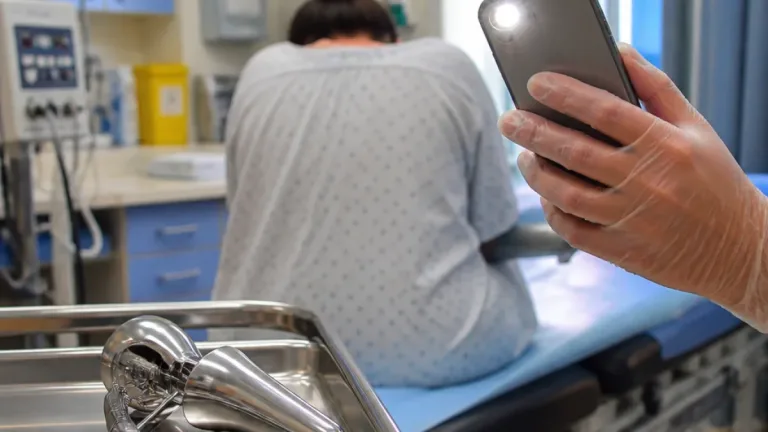
Bereaved families in Nottingham have called for three former NHS leaders to be stripped of their UK honours following the publication of the Government-commissioned review into maternity services at Nottingham University Hospitals (NUH). The review, led by senior midwife Donna Ockenden, concluded that more than 500 mothers and babies suffered potentially avoidable harm or died, citing “deeply embedded systemic failures” and describing the trust as “toxic”.
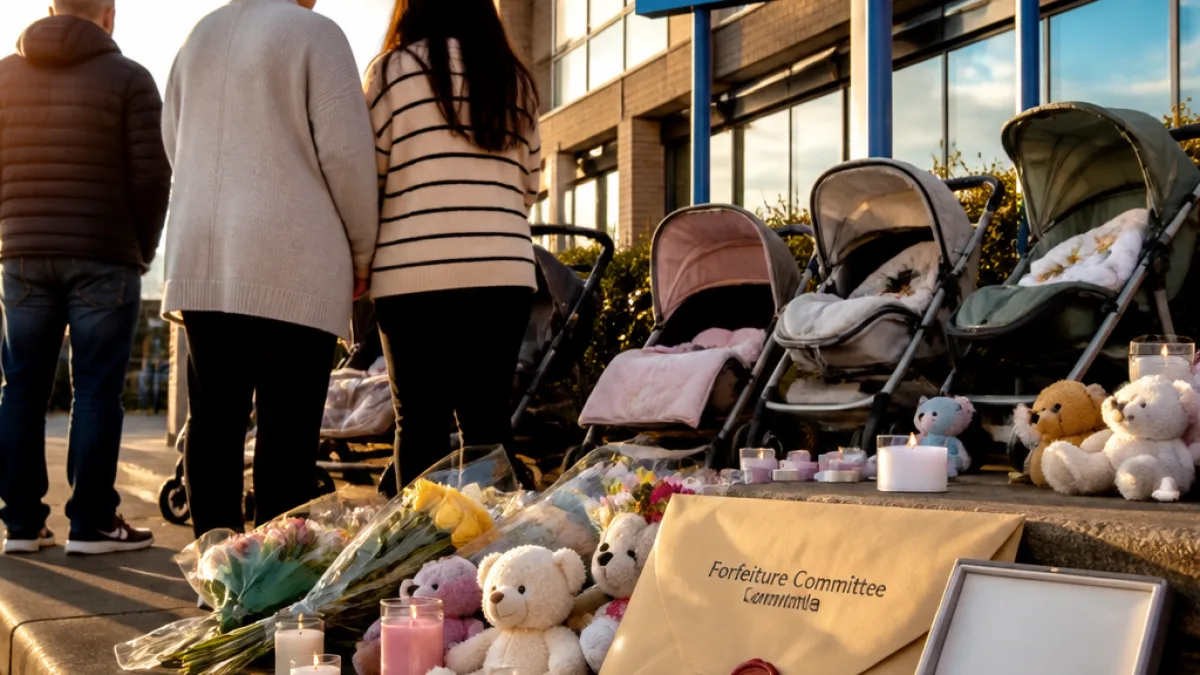
The Nottingham Affected Families Group (NAFG), which represents hundreds of parents, has submitted three separate letters to the Government’s forfeiture committee, urging that Commander of the Order of the British Empire (CBE) honours be withdrawn from former senior managers. According to reporting by The Sunday Times, the letters ask ministers to reconsider the awards “in light of the findings of the independent review of maternity services”. They also reference collective leadership responsibility, pointing to what the review described as significant failings in leadership and governance.
Former chief executive responds
One of the letters is understood to concern Dr Peter Homa, who was NUH’s chief executive between 2006 and 2017, and who received a CBE in 2000 for services to the NHS. Dr Homa expressed sympathy for affected families and defended his personal record in comments reported by the newspaper. He said he felt “profound sadness” on reading the review’s findings and offered an apology to those affected. He also said the report made no adverse findings about his personal conduct and rejected any suggestion that he resigned following a critical inspection, describing such a link as inaccurate and unfair.
“The families directly and indirectly affected by the service failings at NUH have my deepest, most sincere apologies.”
Parents Sarah and Jack Hawkins, whose daughter Harriet was stillborn in 2016 under NUH care, said in a statement that they believe a clear injustice remains while no senior managers or clinicians have faced personal, professional or criminal sanction.
“In our minds, there is currently a clear injustice... To our knowledge, to date, no senior managers or clinicians have been personally, professionally or criminally sanctioned. How can that be right in light of the horrific findings in this independent report?”
Honours forfeiture: what families are asking for
The forfeiture process allows for honours to be withdrawn where the holder’s conduct is deemed to bring the honours system into disrepute. The NAFG’s letters, as reported, ask for three CBEs to be reconsidered in light of the review’s conclusions about leadership and governance at the trust during the years covered by the report.
- Three letters have been sent to the Government’s forfeiture committee, each seeking removal of a CBE.
- Families cite the Ockenden review’s findings of systemic failings and a “toxic” culture.
- One letter is believed to relate to Dr Peter Homa, NUH chief executive from 2006–2017.
Key dates and roles referenced
| Person/Body | Role/Function | Relevant date(s) |
|---|---|---|
| Donna Ockenden | Led independent review of NUH maternity services | Report published recently |
| Dr Peter Homa | NUH Chief Executive | 2006–2017 |
| Honours system | CBE awarded to Dr Homa | 2000 |
| Sarah and Jack Hawkins | Parents; Harriet stillborn at NUH | 2016 |
Families’ campaign focuses on leadership and culture
The families’ case centres on the review’s depiction of entrenched cultural and governance problems at NUH, and their view that senior leadership should be held to account for those failings. The NAFG argues that keeping honours in place for former leaders undermines public confidence, particularly given the review’s conclusion that many tragedies were avoidable. The group represents hundreds of families and has been a prominent voice calling for stronger accountability mechanisms since concerns about maternity care at NUH first came to wider attention.
In his comments to the newspaper, Dr Homa expressed sorrow for the harm suffered, while maintaining that the report made no specific adverse findings about his conduct. He also disputed any characterisation that linked his departure to a subsequent regulatory assessment, saying any such association was unfair.
What happens next
The Government’s forfeiture committee can recommend removal of an honour to the monarch where warranted. No timeframe has been indicated for consideration of the families’ letters. Separately, the Ockenden findings are expected to continue shaping how maternity services are scrutinised and improved locally and nationally.
Families have long maintained that meaningful change requires both improvements in clinical practice and a shift in organisational culture. Their latest step — urging the Government to act on honours — is aimed at reinforcing the principle of responsibility at the most senior levels during a period when, the review found, mothers and babies experienced harm that might have been prevented.