Council opts for voluntary basic checks, keeps enhanced checks for regulated roles
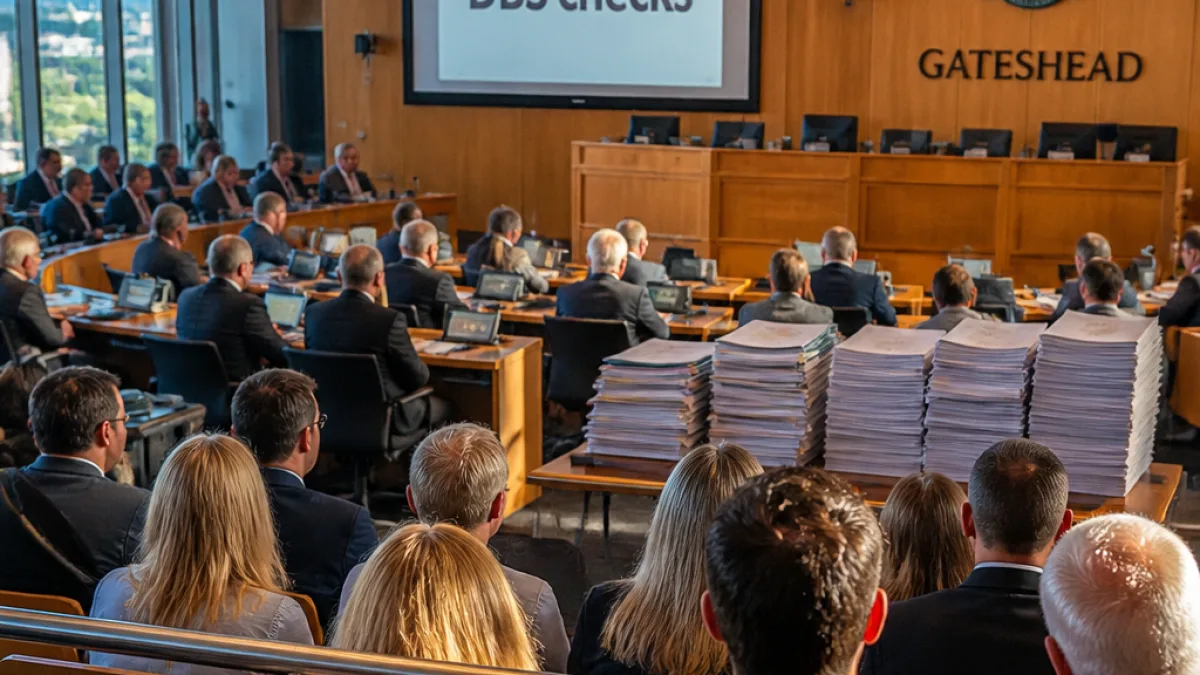
Gateshead Council’s ruling Reform group has voted against a Labour motion that would have required all councillors to undergo basic DBS (Disclosure and Barring Service) checks. The debate, held at a full council meeting, centred on whether mandatory screening should be introduced for every elected member.
The administration said that where councillors carry out roles involving contact with children or vulnerable adults, existing safeguarding arrangements — including enhanced DBS checks and barring list checks where appropriate — already apply. For councillors who do not perform such regulated activities, the ruling group favoured recommending a basic DBS on a voluntary basis rather than imposing a blanket requirement.
- Reform group position: oppose mandatory basic DBS checks; support voluntary checks and retain targeted enhanced checks for regulated duties.
- Labour position: argued the council should adopt the 2023 Independent Review recommendation that basic DBS checks should be standard practice for all councillors.
- Practical concerns cited: legal uncertainty about next steps if a basic check revealed a criminal record, and potential administrative and financial burdens.
“All other councillors will never be, I would hope, unsupervised with a child or a vulnerable adult. This is classed as a regulated activity,”
The comment came from the deputy leader of the council’s administration, who stressed the strict criteria that govern regulated activity and the protections already required for roles that involve unsupervised contact with vulnerable groups.
What the vote means for Gateshead residents
As it stands, councillors who lead or who undertake duties involving children or vulnerable adults will continue to be subject to the more stringent DBS checks associated with those roles. Others will be encouraged but not obliged to obtain a basic disclosure. The council says this approach balances safeguarding with concerns about cost and officer workload.
Opposition councillors described the outcome as disappointing, arguing that a voluntary system weakens a clear standard of vetting for all elected representatives. They pointed to the Independent Review into the DBS, published in 2023, which recommended basic checks as a matter of good practice for councillors.
| Area | Current position |
|---|---|
| Councillors doing regulated activity | Enhanced DBS with barring checks required |
| All other councillors | Basic DBS recommended, but voluntary |
The council’s ruling group framed the decision as proportionate and legally cautious, noting a perceived "grey area" in handling cases where a basic disclosure might reveal past offences. They argued against creating a policy that could trigger complex legal and practical issues for the authority and for individual councillors.
For residents, the ruling leaves intact targeted safeguarding measures while stopping short of universal screening for all elected members. The debate is likely to continue to be raised by opposition councillors, who say they will press for mandatory checks to be reconsidered in future meetings or through party campaigning.
Council papers and the statements from group leaders set out the positions that led to Reform’s amendment being carried and Labour’s motion being defeated. The matter now rests with the authority’s chosen policy of voluntary basic checks alongside compulsory enhanced checks where regulated duties demand them.