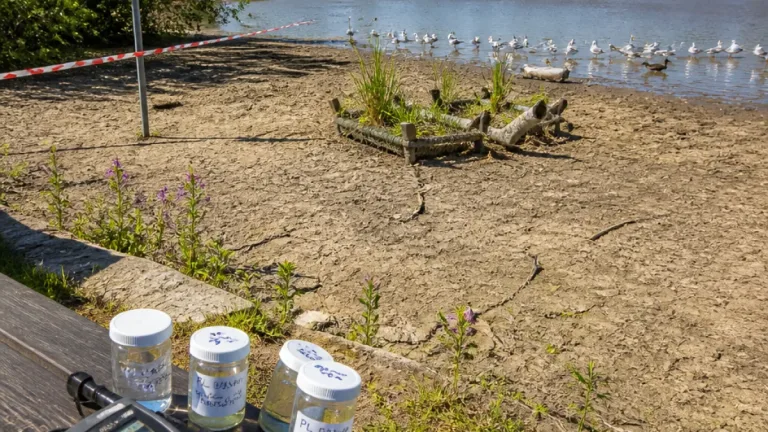
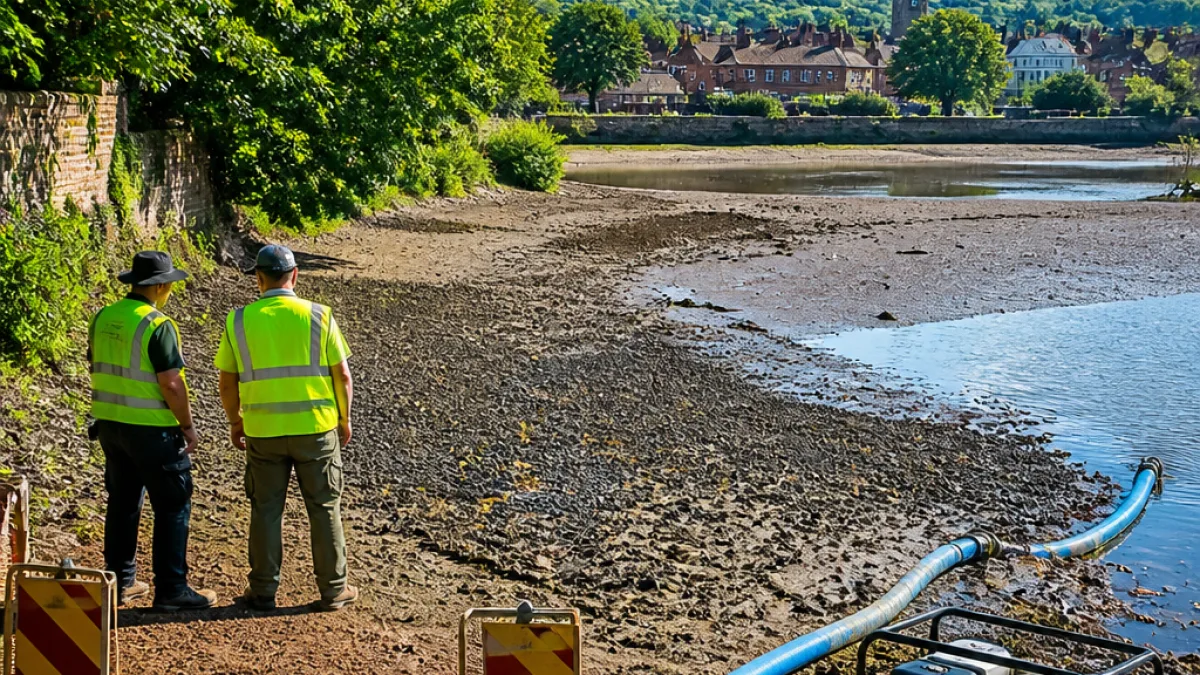
The council has stepped up monitoring of Pells Lake after observations of fish behaviour during the recent warm spell. While water levels are lower than usual, officials say this is consistent with patterns seen in previous hot summers and with the lake's natural characteristics.
What the survey found
As part of an ongoing programme to improve the lake's ecology, the first stage of survey work looked at the volume and composition of the lake silt. Initial findings indicate the lake is likely a natural depression within the water table rather than a lined feature, which would account for seasonal fluctuations in levels.
- Council completed stage one of ecological investigations last week.
- Experts consulted include the Environment Agency, local fisheries specialists and Mayfly Aquacare.
- Immediate short-term mitigation has been identified and implemented.
Advice from specialists
Council officers sought expert views on whether fish should be relocated. Advice from fisheries specialists warned that relocation is not a viable long-term solution because of the need for extensive health checks and the real risk of disease transmission. Experts also cautioned that the stress of moving fish can itself cause mortality.
"Relocating fish is not a practical long-term solution"
Specialists additionally explained that some carp swim near the surface in warm weather, which can be mistaken for distress. True oxygen stress would ordinarily present as gasping at the surface, a more obvious sign than has been widely reported.
Mitigation options considered
The council evaluated several potential measures, including aeration systems and adding external water. These options were judged to have practical or environmental drawbacks such as:
- power-supply and security issues for aeration equipment;
- water-quality and biosecurity risks from bringing in outside water;
- overall feasibility concerns for long-term deployment.
| Measure considered | Outcome |
|---|---|
| Aeration equipment | Practical and security challenges |
| Adding external water | Risk of introducing disease, water quality issues |
| Use of Pells Pool borehole | Accepted as the most practical short-term option and already in use |
Current action and next steps
The council has arranged for the Pells Pool borehole supply to be used to add water where necessary; this process is being managed by the pool management team. Further ecological work is expected as part of the council's long-term programme to improve the lake. The early silt analysis and the advice received will inform any future decisions on management and habitat improvement.
Residents and visitors are advised that the situation is being actively monitored and that, according to experts consulted, the behaviours observed among carp during warm weather are not necessarily indications of widespread distress. The council will continue to liaise with the Environment Agency and fisheries specialists as investigations proceed.