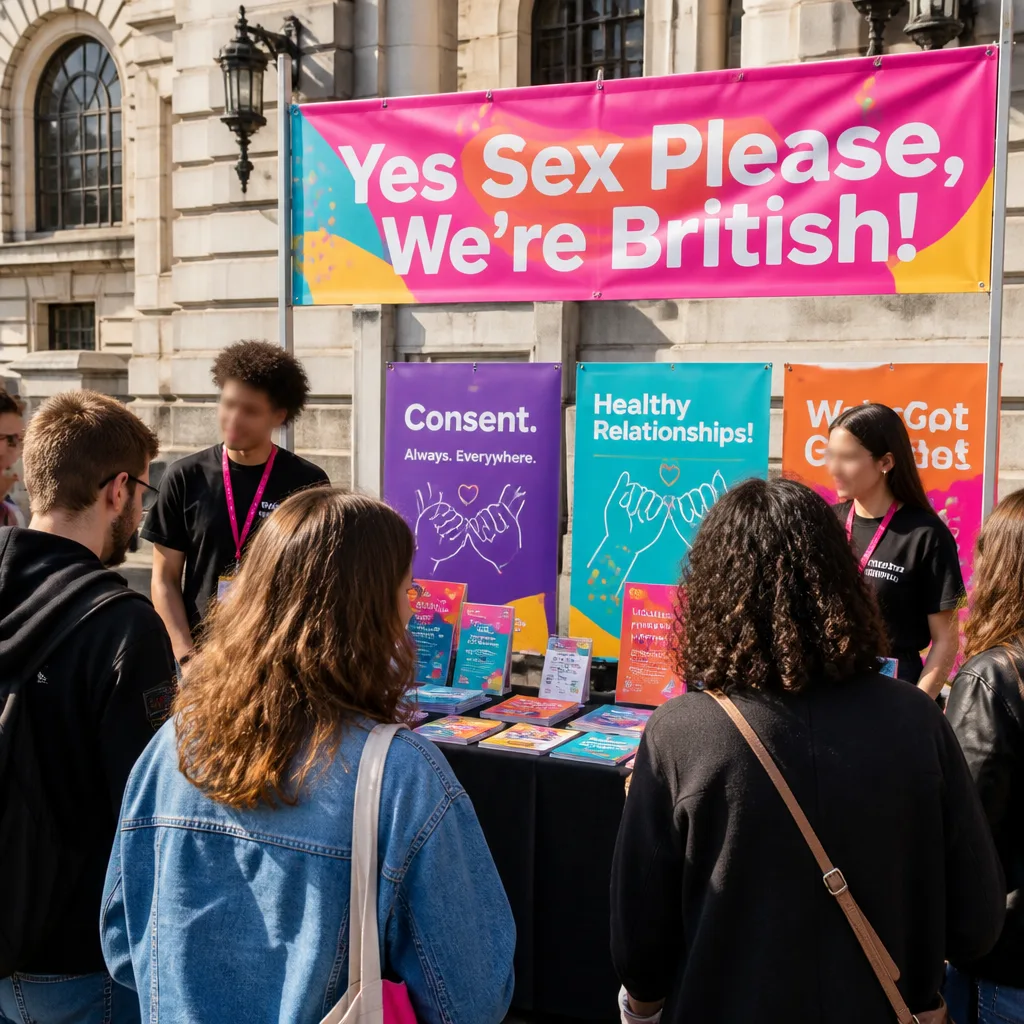
Samantha Niblett, the Labour MP for South Derbyshire, has formally launched a campaign pushing for lifelong sex education focused on consent, respect and healthy relationships. The initiative aims to tackle stigma around sexual matters and to reduce abuse and violence by improving learning at all ages.
What the campaign proposes
The drive, promoted as "Yes Sex Please, We're British!", seeks to widen access to relationships and sex education beyond current school provision and into later phases of education and public life. Niblett says public ridicule and dismissive responses helped motivate her to take the issue forward.
"Now in times gone by, being referred to as a 'sex MP' would've been something quite sleazy and seedy. But thankfully, and hopefully, I'm helping to change that,"
The campaign held a London launch and plans further events. In the autumn, organisers say they will display sex education resources and aids in Parliament to spark discussion and to remove taboos around the subject.
Why campaigners say change is needed
Campaigners and some politicians point to research showing significant levels of sexual assault and a perceived shortfall in effective sex and relationship teaching in some schools. Figures from the Crime Survey for England and Wales for the year ending March 2025 indicate that around 15.9% of people aged 16 or over (approximately 7.7 million) reported experiencing sexual assault since the age of 16.
| Measure | Figure |
|---|---|
| Adults reporting sexual assault since 16 | 15.9% (~7.7 million) |
| Number of people who experienced rape | 1.9 million |
| Female victims of rape | 1.8 million |
Groups such as the Local Government Association previously warned that insufficient provision of relationships and sex education at secondary level could create a public-health problem. There have been parliamentary moves too: a Labour MP introduced a bill in June seeking to make relationships and sex education mandatory for the 16–18 age group in further education settings.
Implications for parents, schools and policymakers
The campaign is likely to intensify debates over curriculum content, the role of schools versus parents in delivering sex education, and whether statutory requirements should be extended into further education. For parents and educators, possible outcomes include:
- calls for clearer national guidance on age-appropriate content for older teenagers and young adults;
- greater availability of resources and training for staff in colleges and other providers; and
- heightened public discussion about destigmatising sexual health and consent education.
Supporters argue that comprehensive, lifelong sex education would better equip young people to recognise and avoid abusive situations. Opponents or critics may raise concerns about content, delivery and parental consent. The campaign’s public displays and events in Parliament aim to bring these issues directly to lawmakers and the wider public.
As the initiative develops, parents and education leaders should watch for consultation documents, any new guidance from the Department for Education, and potential parliamentary time for the Bill affecting 16–18-year-olds.