Businesses ask county to pause transport measures ahead of reorganisation
Local businesses and trade groups have urged Oxfordshire County Council to halt work on major transport measures — including the planned traffic filters, a zero emissions zone and a workplace parking levy — until responsibility for those powers passes to the new councils being formed under local government reorganisation.
The appeal comes as the county authority prepares for its abolition, scheduled for April 2028, when new councils — named Northern Oxfordshire, Greater Oxford and Ridgeway — will assume the county’s transport responsibilities. Campaigners say that, with that change imminent, the council should not "ram through" additional schemes that they say risk harming high streets and local commerce.
"Oxfordshire County Council should focus on making the transition to the new Greater Oxford Council as painless as possible for high street businesses - not treat the forthcoming changes as an excuse to ram through as many anti-business measures as possible."
The quotation comes from Bernadette Evans, a restaurateur and spokesperson for the Oxford Business Action Group (OBAG), which represents independent traders. OBAG is asking for an independent champion to represent the interests of "thousands of small and medium-sized enterprises with a shopfront in Oxford" and wants the county to acknowledge the effect its transport restrictions have had on local high streets.
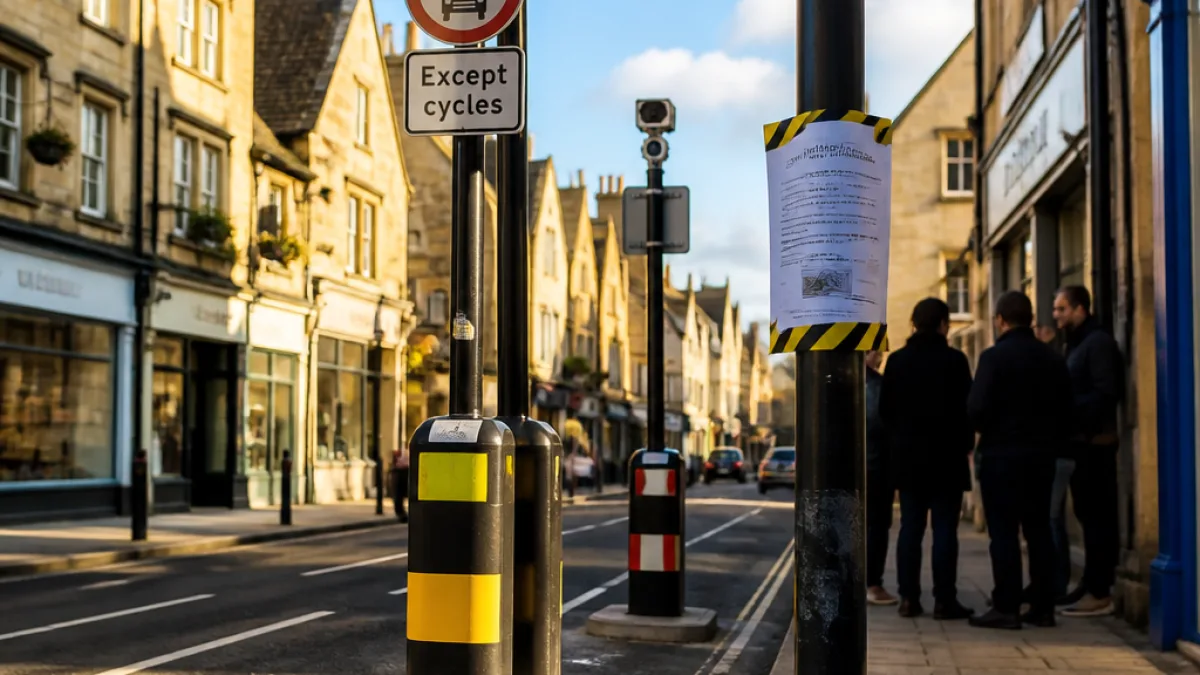
Traffic filters are due to come into force on 14 September, replacing the current congestion charge system. OBAG and other business representatives say the measures have already deterred customers from visiting city centre shops, while expressing concern that the timing — during a period of structural change to local government — is inappropriate.
- Planned measures: traffic filters, zero emissions zone, workplace parking levy
- Traffic filters implementation date: 14 September
- County council abolition date: April 2028
The council’s transport responsibilities will transfer to the three new councils for Oxfordshire, but the possibility of a broader Thames Valley devolution arrangement was also referenced; sources report talks on that wider devolution have stalled. Campaigners argue that the pending redistribution of powers adds further reason to pause significant policy rollouts until incoming authorities can review and set their own priorities.
Local consequences and calls for oversight
OBAG says many businesses face "unknowns" about how the changes will affect trade and logistics. The group also warned of a "fear factor" among regional customers who may feel unwelcome driving into the city because of the risk of contravening new restrictions and incurring fines.
OBAG’s demands include:
- an immediate pause on rollouts of the traffic filters, zero emissions zone and workplace parking levy;
- the appointment of an independent champion for Oxford’s small and medium-sized retail and hospitality businesses;
- a formal acknowledgement from the county of the impact its transport policies have had on high streets.
| Item | Planned/Status |
|---|---|
| Traffic filters | Due 14 September |
| Zero Emissions Zone | Planned rollout |
| Workplace Parking Levy | Planned rollout |
| Local government reorganisation | Abolition of county council April 2028 |
The dispute centres on timing and democratic accountability. Businesses argue incoming unitary councils — particularly the Greater Oxford authority, which will directly inherit city transport powers — should have the opportunity to review or revise such policies rather than inherit them mid-rollout. The county council has not been quoted in the material published so far, and it is not known whether it will respond to the campaigners’ request to pause implementation.
For Oxford residents and traders, the issue raises immediate practical concerns about how people will move into and around the city this autumn and longer-term questions about who sets transport policy locally once the county council is dissolved.