Oxfordshire County Council is poised to approve a set of social care savings that would reduce how much disabled and elderly residents can keep for living costs and introduce new charges for transport and technology, despite strong opposition from hundreds who responded to the council consultation.
What the proposals would change
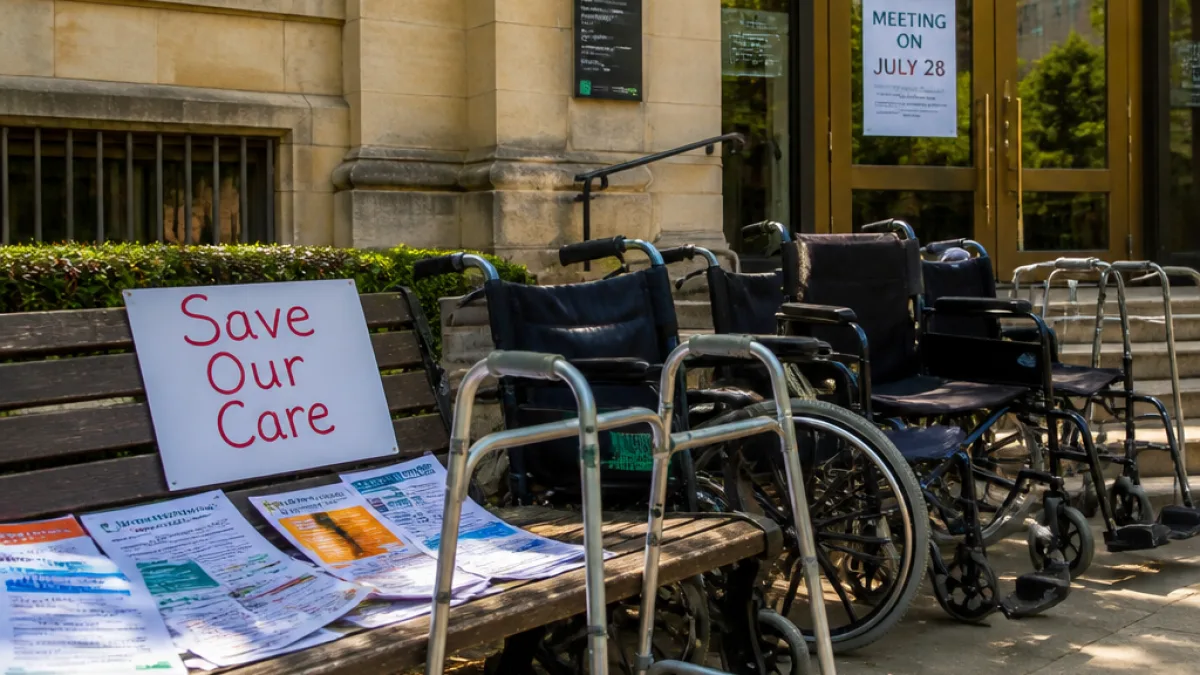
The package, recommended for approval ahead of the county cabinet meeting on Tuesday, July 28, aims to save £1.8 million a year from the council’s adult social care budget. The authority currently spends around £302 million a year on social care and supports more than 6,800 people.
Key elements of the proposals include:
- reducing the proportion of disability benefits retained as a living allowance (Disability Related Expenditure, DRE) from 35% to 25%;
- introducing a new £10-a-day fee for council-organised care transport;
- raising charges for independent living technology to a weekly fee of £9.87 (an increase described in council papers as more than 50%).
The draft proposals form part of the council’s effort to address a wider funding shortfall: a reported gap of £5.4 million for 2026/27.
Local response and consultation
A consultation was sent to 4,430 people who may be affected, including disabled people, older residents and carers; the council received responses from hundreds. According to the consultation findings, a majority of respondents considered the changes "not reasonable".
Rebekah Fletcher described the measures as attempting to "scrape meat off the bones" amid "constantly rising" demand.
At a scrutiny committee meeting a former council social care chief, Jenny Hannaby, warned that the proposals could cause the "most vulnerable people in our society" to suffer and said the previous higher DRE level had been necessary because people "weren't managing" without it.
What the numbers mean for residents
The DRE adjustment affects how much of a claimant’s disability-related benefit they are allowed to keep after social care charges are calculated. The council report notes Oxfordshire’s current practice of allowing 35% of benefits to count as DRE is higher than many other local authorities; the change would reduce that to 25%, potentially leaving service users with less money to cover essential extra costs such as heating, laundry, specialist clothing and equipment.
| Element | Current | Proposed |
|---|---|---|
| DRE (percentage of benefits) | 35% | 25% |
| Care-organised transport | Not charged | £10 per day |
| Independent living technology | Lower weekly charge | £9.87 per week |
Campaigners and some councillors say the move risks increasing financial pressure, social isolation and threats to personal safety for those who rely on support. The council argues the measures are necessary to balance rising demand and constrained finances.
Next steps and what residents can do
The cabinet is due to consider the recommendations on 28 July. If the changes are approved, they would be implemented as set out in the council’s report. Residents and carers affected by the proposals who wish to query the plans or seek advice should contact the county council’s adult social care team and local councillors for clarification on timelines and possible exemptions.
Given the potential impact on household budgets and day-to-day living, providers of care, advocacy groups and community organisations may also need to prepare for increased demand for advice and support should the savings be enacted.
Further coverage will follow after the cabinet meeting.