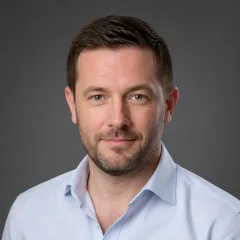
Christopher Sale, a 47-year-old man from West Avenue, South Elmsall, has been jailed for four years and nine months following a Yorkshire and Humber Regional Organised Crime Unit (YHROCU) inquiry into cross-border drug imports.
How the drugs were brought into the UK
Sheffield Crown Court handed down the sentence on 27 July after prosecutors established Sale had conspired to import controlled drugs with intent to evade restrictions. The offence related to cannabis resin hidden inside a Fiat motorhome during journeys from mainland Europe.
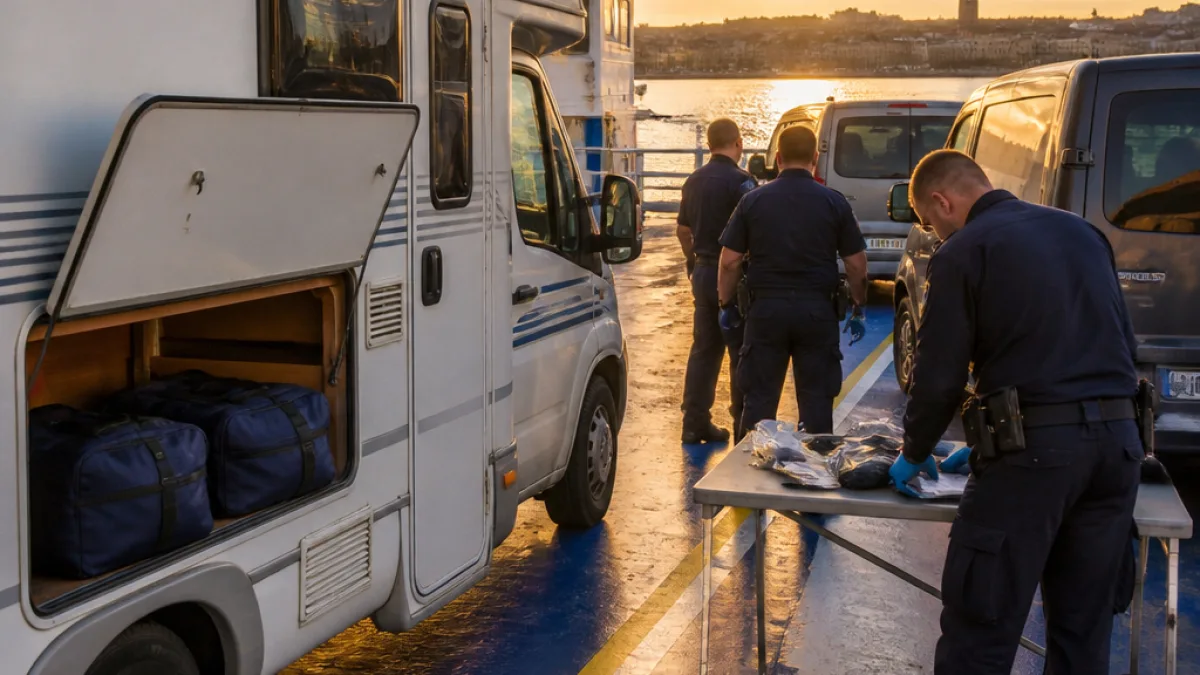
Investigators say Sale and another man, Russell King – who was previously jailed for 22 years in 2025 – concealed two holdalls containing the Class B drug in compartments in the motorhome before crossing the North Sea by ferry from Rotterdam to Hull in July 2024. The cannabis resin had an assessed street value of £720,000.
Following King’s arrest, evidence gathered by YHROCU linked him with the importation of other consignments. Later in 2024 King used the same motorhome to bring in 100kg of ketamine via the same ferry route. Officers also found he had been instrumental in moving 632kg of ketamine into the UK in July 2023, working from mainland Europe.
Investigation and wider enforcement
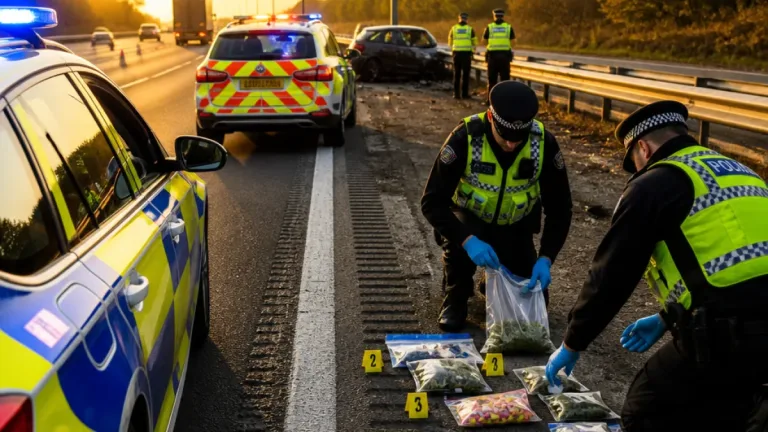
The inquiry led to the identification, arrest and charging of members of the organised crime group to which Sale belonged. Photographs and details released by the force showed the campervan used in the imports and the concealed packages.
| Item | Detail |
|---|---|
| Defendant | Christopher Sale, aged 47 |
| Sentence | 4 years 9 months (Sheffield Crown Court, 27 July) |
| Primary seized drugs | Cannabis resin (street value £720,000) |
| Related imports | 100kg ketamine (late 2024); 632kg ketamine (July 2023) |
- The drugs were hidden in holdalls inside a Fiat motorhome.
- Routes involved ferry crossings from Rotterdam to Hull.
- The case was led by the Yorkshire and Humber Regional Organised Crime Unit (YHROCU).
This conviction forms one strand of a broader probe into a group operating across borders to import substantial quantities of controlled substances. Local communities often see the consequences of such organised activity through increased availability of harmful drugs; the work of units such as YHROCU aims to disrupt supply and hold those responsible to account.
Police material released with the case highlighted the vehicle used and the concealment methods, reinforcing how criminal networks attempt to exploit ordinary vehicles to move illegal consignments. The sentences already handed down in related prosecutions show the seriousness with which the courts and policing bodies are treating these offences.